
September 17, 2026
Choosing the right foam can make a major difference when a product needs reliable cushioning, insulation, flexibility, and resistance to everyday wear. Different foam materials offer different performance characteristics, so selecting one without considering the application can create problems later.
For manufacturers looking for a versatile material, EVA Foam offers a useful combination of lightweight construction, flexibility, durability, and resistance to moisture. Its closed-cell structure helps limit water absorption while supporting consistent performance in demanding applications. These characteristics make it useful across industries ranging from sports and fitness to packaging, footwear, automotive components, and protective products. In this blog, we will examine why this material works so well in closed-cell applications and what buyers should consider when selecting it for their products.
The basic structure of foam plays a major role in how it performs. Closed-cell materials contain individual cells that are not openly connected, helping restrict the movement of water and air through the material.
EVA Foam can be produced with a controlled cellular structure that gives manufacturers flexibility when selecting density, thickness, firmness, and other performance characteristics. This allows the material to be adapted to different product requirements instead of relying on one standard specification.
Weight can be an important consideration when designing products that need cushioning or protection without adding unnecessary bulk. EVA-based foam provides a relatively lightweight solution while maintaining useful resilience and structural support.
This balance is particularly valuable in sports equipment, footwear components, protective products, and portable applications where excessive weight can affect usability.
One of the major advantages of Closed-Cell Foam is its moisture resistance. Because the cells are largely separated, water has fewer pathways to penetrate the material.
This makes closed-cell materials useful in environments where occasional exposure to humidity, splashes, or moisture is expected. For products such as fitness mats, protective padding, seals, and outdoor components, this characteristic can support longer-lasting performance.
Moisture resistance can also make products easier to clean and maintain. When a foam material does not readily absorb water, surface cleaning and drying can be simpler.
Moreover, reducing moisture retention can help the finished product maintain its intended feel and performance during repeated use.
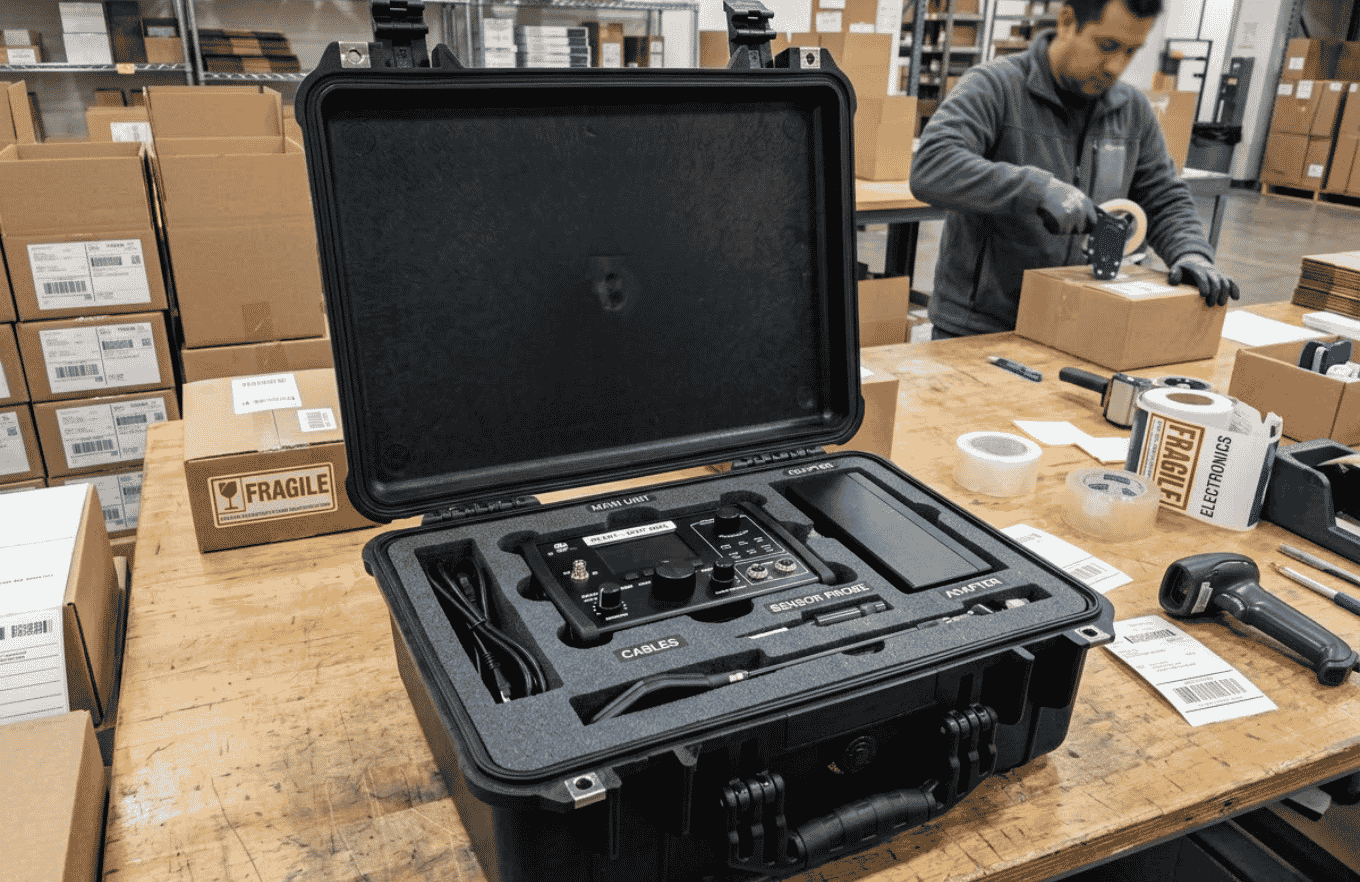
Cushioning is another reason manufacturers use EVA Foam in products that come into regular contact with people or equipment. The material can absorb and distribute impact, helping reduce the force transferred through a product.
This is particularly useful for sports flooring, yoga mats, footwear, protective pads, and equipment padding. The exact cushioning performance depends on factors such as density, thickness, formulation, and compression characteristics.
Manufacturers should not evaluate foam only by softness. A product that compresses too easily may lose its useful shape under repeated loading.
For this reason, foam selection should consider compression behavior and recovery alongside comfort. The right specification depends on how frequently and intensely the finished product will be used.
Manufacturers often need foam that can be cut, laminated, molded, or converted into specific shapes. Closed-Cell Foam can support a wide range of fabrication requirements depending on its formulation and density.
This flexibility gives product designers more freedom when developing components with curves, contours, layers, or customized dimensions.
The material's combination of flexibility and lightweight performance makes it suitable for applications including footwear, sports goods, packaging, automotive components, insulation, protective equipment, and fitness products.
Furthermore, different grades can be selected according to the mechanical and environmental demands of the finished product.
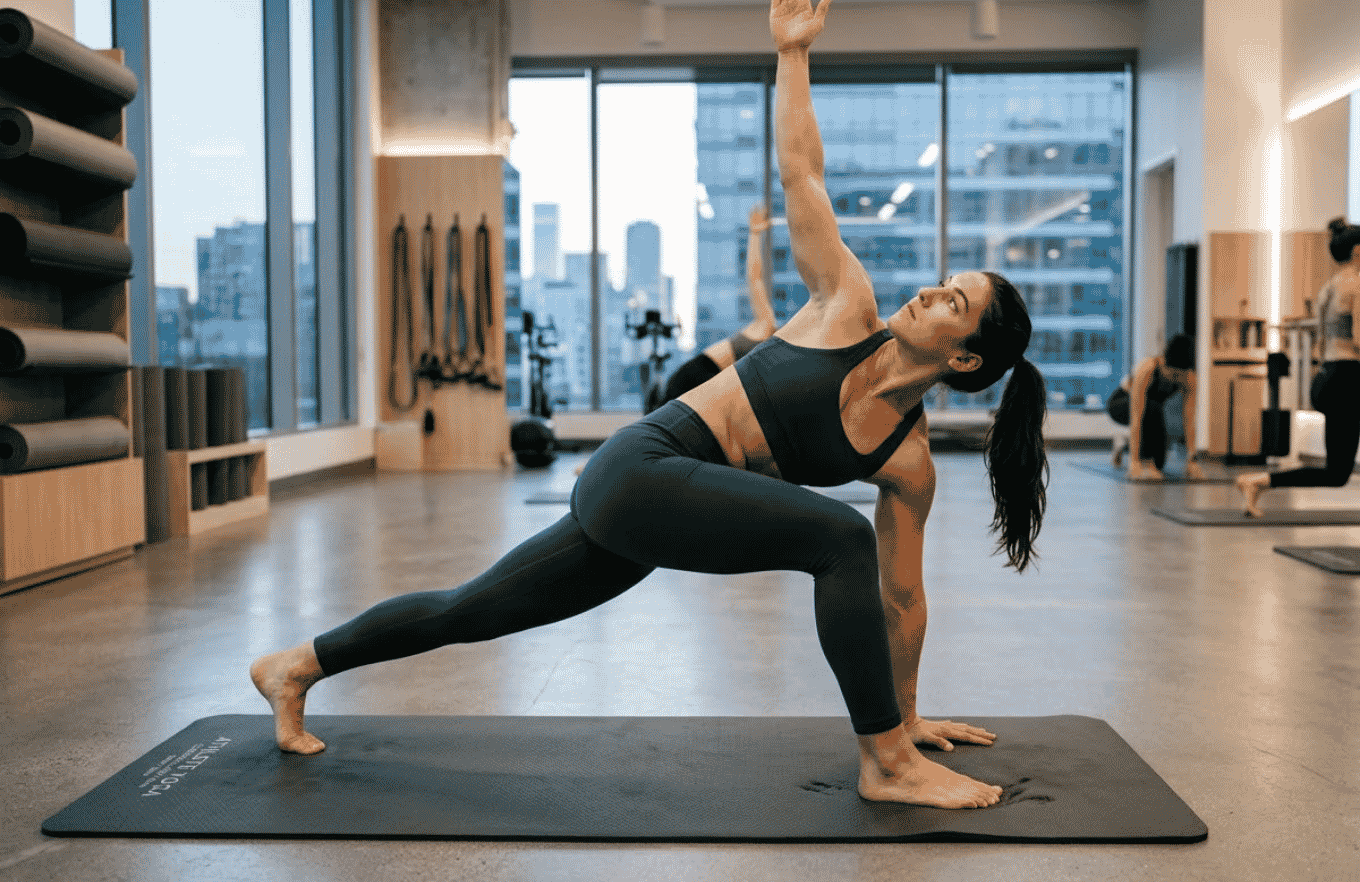
A foam product needs to maintain its functional properties throughout its expected service life. EVA Foam can provide useful resistance to repeated handling, compression, and general wear when the appropriate grade is selected.
However, durability should always be evaluated according to the actual application. Temperature, load, frequency of use, exposure conditions, and thickness can all influence long-term performance.
For businesses producing foam-based products at scale, material consistency matters just as much as the basic properties of the material. Variations in density, thickness, or surface quality can affect the finished product.
Manufacturers should therefore work with suppliers that can maintain consistent specifications from one production batch to another.
Not every closed-cell foam application requires the same specification. A soft yoga mat may require a different density and compression profile than an industrial gasket or protective insert.
Samad Group of Industries works with foam materials for applications where product requirements can vary significantly. Buyers should communicate the intended use, dimensions, operating conditions, and required performance before selecting a specific grade.
Most importantly, technical specifications should be based on the finished product rather than choosing a foam solely because it is commonly used in a particular industry.
Density can influence firmness, weight, cushioning, and structural behavior, while thickness affects insulation, impact absorption, and overall product dimensions.
Buyers should determine these specifications based on the performance requirements of their application.
Cutting, laminating, molding, die-cutting, and bonding can all influence which foam specification is most suitable. Discussing the intended manufacturing process with a supplier can help prevent compatibility issues during production.
Samad Group can help businesses assess foam requirements according to the intended application and production needs.
The popularity of EVA Foam in closed-cell applications comes from its combination of lightweight construction, flexibility, cushioning, moisture resistance, and practical durability. These properties make it suitable for products across fitness, sports, footwear, packaging, protective equipment, and industrial applications.
At the same time, choosing the right Closed-Cell Foam requires more than selecting a material by name. Density, thickness, compression performance, processing requirements, and environmental conditions should all be considered before production begins.
By matching the foam specification to the finished product, manufacturers can improve performance, consistency, and overall product value.
Looking for the right foam specification for your next product? Connect with Samad Group for dependable materials, technical guidance, and tailored foam solutions.
It combines lightweight construction, flexibility, cushioning, moisture resistance, and useful durability, making it suitable for many demanding product applications.
Yes, its cellular structure generally limits water absorption compared with open-cell materials, making it useful where moisture resistance is important.
Density should be selected according to the product's required firmness, cushioning, weight, compression behavior, durability, and intended operating conditions.