
July 1, 2026
Closed-Cell Foam is rapidly becoming one of the most important materials in modern packaging systems, especially where durability, protection, and reusability are essential. Industries today are shifting toward smarter logistics solutions, and packaging is no longer just about protection but also about sustainability and cost efficiency.
In this evolving landscape, Closed-Cell Foam stands out due to its lightweight structure, water resistance, and excellent shock absorption. It is widely used in industries that require returnable and reusable packaging systems, particularly in automotive, electronics, and industrial supply chains.
Alongside this growth, EVA Foam is also being used in combination with advanced packaging designs to improve flexibility and cushioning performance. Companies like Samad Group of Industries are actively contributing to innovations in foam-based solutions that support modern logistics needs.
Moreover, as global supply chains become more complex, the demand for durable and reusable packaging materials continues to increase, making Closed-Cell Foam a key material for the future.
Closed-Cell Foam is a material where the internal cell structure is completely sealed, preventing air and moisture from entering. This makes it highly resistant to water absorption and external damage, making it ideal for reusable packaging systems.
An important advantage of Closed-Cell Foam is its ability to maintain structural integrity even after repeated use. This is essential for industries that rely on returnable packaging systems, where materials must withstand multiple shipping cycles.
Samad Group of Industries has been working with advanced foam technologies to improve packaging durability and reduce material waste. Furthermore, EVA Foam is often integrated into these systems to enhance flexibility and shock resistance.
Additionally, Closed-Cell Foam offers thermal insulation, which is beneficial for sensitive products that require stable environmental conditions during transportation.

One of the strongest benefits of Closed-Cell Foam is its durability. Unlike open-cell materials, it does not compress easily and retains its shape over time. This makes it highly suitable for reusable packaging systems that require long-term performance.
Samad Group integrates Closed-Cell Foam into industrial packaging solutions that are designed for repeated use without significant degradation.
Closed-Cell Foam is highly resistant to moisture, oils, and chemicals. This makes it ideal for industries such as automotive and electronics, where sensitive components must be protected from environmental damage.
EVA Foam, on the other hand, is often used alongside Closed-Cell Foam to improve cushioning while maintaining resistance properties in packaging designs.
Despite its strength, Closed-Cell Foam is extremely lightweight. This helps reduce shipping costs and improve handling efficiency in logistics operations.
Reusable packaging systems benefit greatly from this property, as lower weight directly translates into reduced transportation expenses.
Samad Group of Industries focuses on optimizing foam density to ensure maximum protection with minimal weight.
EVA Foam plays a complementary role in reusable packaging systems. It offers excellent flexibility, cushioning, and impact resistance, making it ideal for delicate product protection.
When combined with Closed-Cell Foam, EVA Foam enhances the overall performance of packaging solutions. This combination ensures both rigidity and flexibility where needed.
Samad Group has incorporated EVA Foam into several packaging innovations to improve shock absorption and product safety during transit.
Moreover, EVA Foam is widely used in custom packaging inserts that require precision fitting and long-term usability.
Sustainability is a major driving force behind the adoption of Closed-Cell Foam in packaging systems. Companies are increasingly shifting toward reusable and returnable packaging to reduce environmental waste.
Closed-Cell Foam supports this trend by offering long service life and reduced material breakdown over time. This reduces the need for frequent replacements and minimizes industrial waste.
Samad Group of Industries is actively contributing to sustainable packaging solutions by developing foam-based systems that support circular supply chains.
Furthermore, EVA Foam also contributes to sustainability by reducing product damage during transport, thereby minimizing waste caused by returns or replacements.
Closed-Cell Foam is widely used across multiple industries due to its versatility. In automotive manufacturing, it protects sensitive parts during transport. In electronics, it ensures anti-static and shock-resistant packaging.
Reusable packaging systems in logistics also rely heavily on Closed-Cell Foam to maintain product integrity across multiple cycles.
Samad Group has developed industry-specific packaging solutions that combine Closed-Cell Foam and EVA Foam to meet diverse client needs.
Additionally, industries such as aerospace and medical equipment manufacturing are increasingly adopting foam-based packaging due to its reliability and performance consistency.
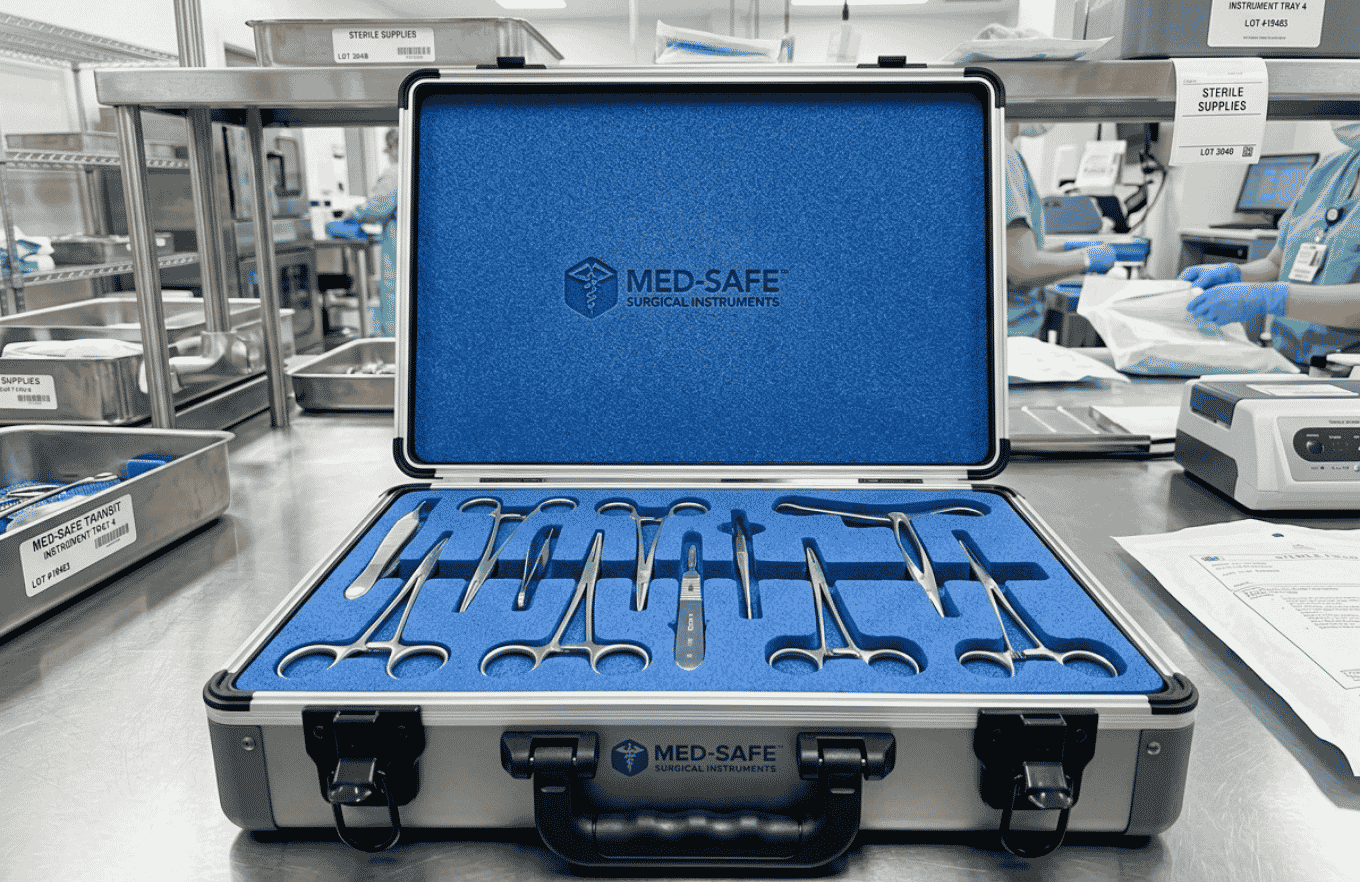
The future of Closed-Cell Foam lies in material innovation and smarter design integration. Manufacturers are now focusing on enhancing recyclability, improving density control, and increasing performance efficiency.
EVA Foam will continue to play a key role in hybrid packaging systems that require both flexibility and strength.
Samad Group of Industries is investing in research and development to create next-generation foam materials that align with global sustainability goals.
Moreover, automation in packaging design is expected to improve precision and reduce material waste, making foam-based systems even more efficient.
Closed-Cell Foam is set to play a major role in the future of reusable and returnable packaging systems. Its durability, moisture resistance, and lightweight structure make it ideal for modern logistics challenges.
When combined with EVA Foam, it creates highly efficient packaging solutions that meet industrial demands across multiple sectors.
Companies like Samad Group of Industries are driving innovation in this space, ensuring that packaging systems become more sustainable, efficient, and cost-effective. As industries continue to evolve, Closed-Cell Foam will remain a core material in advanced packaging strategies.
Contact us today to explore advanced foam packaging solutions designed for durability, efficiency, and modern industrial requirements.
Its sealed structure prevents moisture absorption and ensures long-term durability across multiple shipping cycles.
EVA Foam adds flexibility and shock absorption, enhancing protection for delicate and high-value products.
It reduces material waste by enabling long-lasting, returnable packaging systems that minimize replacements.