
May 22, 2026
Closed-cell foam stands out as one of the most advanced materials used across industries today. Its unique structure and performance characteristics make it a preferred choice for applications that demand durability, moisture resistance, and long-term reliability. Closed-cell foam is engineered to trap gas within sealed cells, creating a dense and resilient material that performs consistently under pressure.
From construction and packaging to footwear and fitness products, this material continues to replace traditional foam options due to its superior properties. As industries evolve, understanding what makes closed-cell foam different is essential for businesses aiming to improve product quality and performance.
Closed-cell foam is defined by its tightly packed, sealed cell structure. Unlike open-cell foam, where air moves freely, each cell in this material is enclosed, preventing moisture and air from passing through. This structural difference directly impacts performance, making it stronger and more resistant to environmental factors.
This design enhances compressive strength, allowing the foam to maintain its shape even after repeated use. It also improves insulation, as trapped gas within the cells acts as a barrier against heat transfer.
One of the key distinctions lies in density. Closed-cell foam is denser than other foam types, which contributes to its durability and load-bearing capacity. This makes it ideal for applications where long-term structural integrity matters, such as industrial padding or high-performance mats.
Manufacturers like Samad Group of Industries leverage these characteristics to produce materials that meet demanding industry standards without compromising flexibility or comfort.
Closed-cell foam does not absorb water, making it highly suitable for environments exposed to humidity or direct contact with liquids. In contrast, open-cell foam tends to absorb moisture, leading to potential degradation over time.
This water resistance also prevents the growth of mold and bacteria, adding to its longevity and hygiene benefits.
Another major difference is how the material handles pressure. Closed-cell foam retains its shape under stress, while softer foam types may compress permanently. This makes it a reliable choice for applications requiring consistent performance.
The sealed structure provides excellent thermal insulation by limiting heat transfer. While open-cell foam may offer better sound absorption, closed-cell foam excels in maintaining temperature control, making it valuable in construction and industrial use.
EVA foam is one of the most commonly used forms of closed-cell foam due to its balance of flexibility and durability. It offers excellent shock absorption while maintaining a lightweight profile, making it suitable for a wide range of products.
This material is particularly effective in applications where comfort and resilience must coexist, such as sports equipment, protective gear, and fitness accessories.
EVA foam can be customized in terms of density, thickness, and texture. This flexibility allows manufacturers to tailor solutions for specific industries, ensuring optimal performance in every application.
Companies like Samad Group of Industries utilize EVA foam to deliver high-quality materials that align with evolving market needs while maintaining consistent standards.
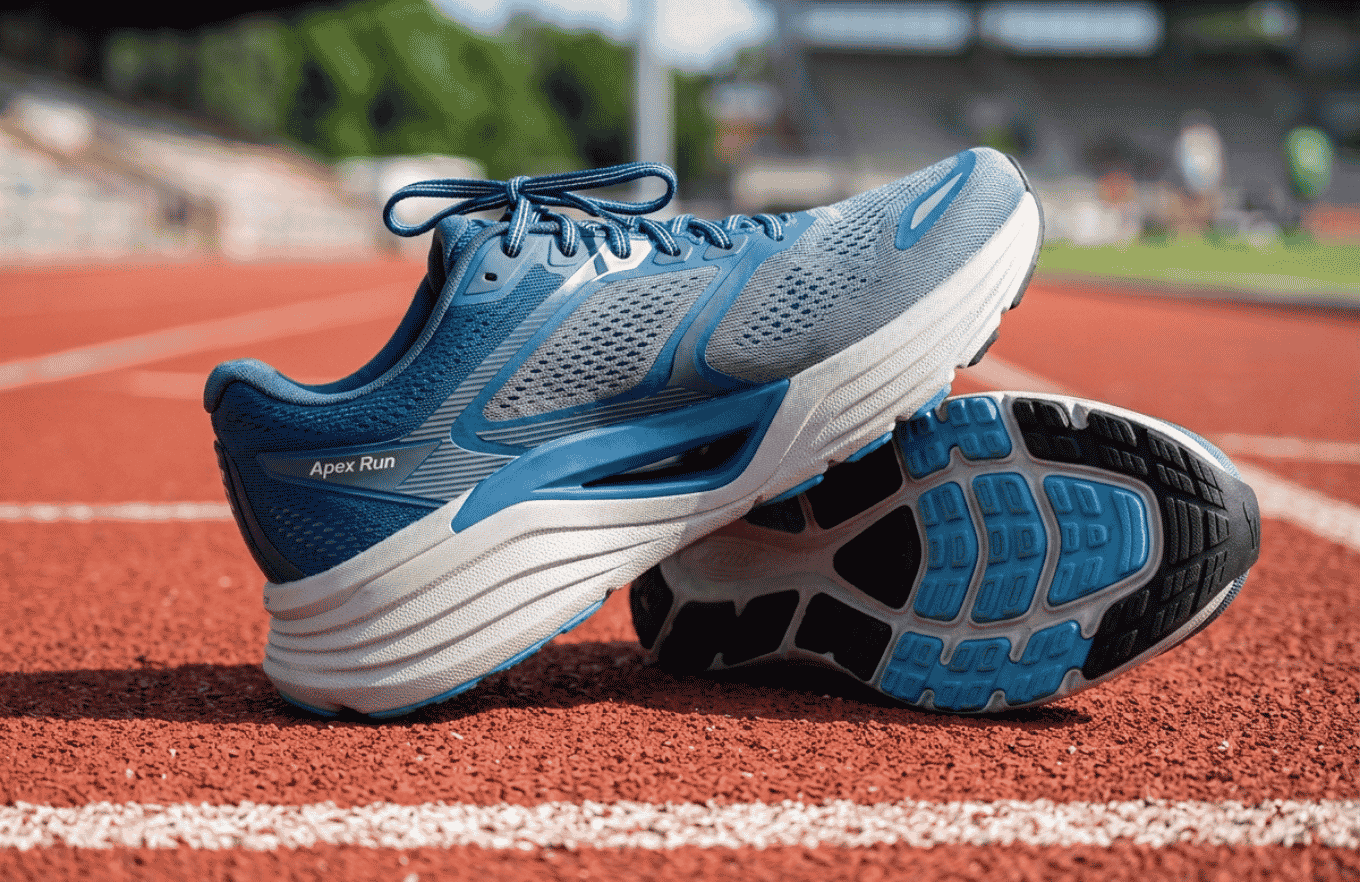
Closed-cell foam is widely used in building insulation due to its ability to block moisture and regulate temperature. It enhances energy efficiency and reduces long-term maintenance costs.
In footwear, the material provides cushioning and durability, ensuring comfort during extended use. It also plays a key role in protective gear by absorbing impact and reducing injury risks.
The material’s strength and shock resistance make it ideal for packaging fragile items. It protects products during transportation while maintaining structural integrity.
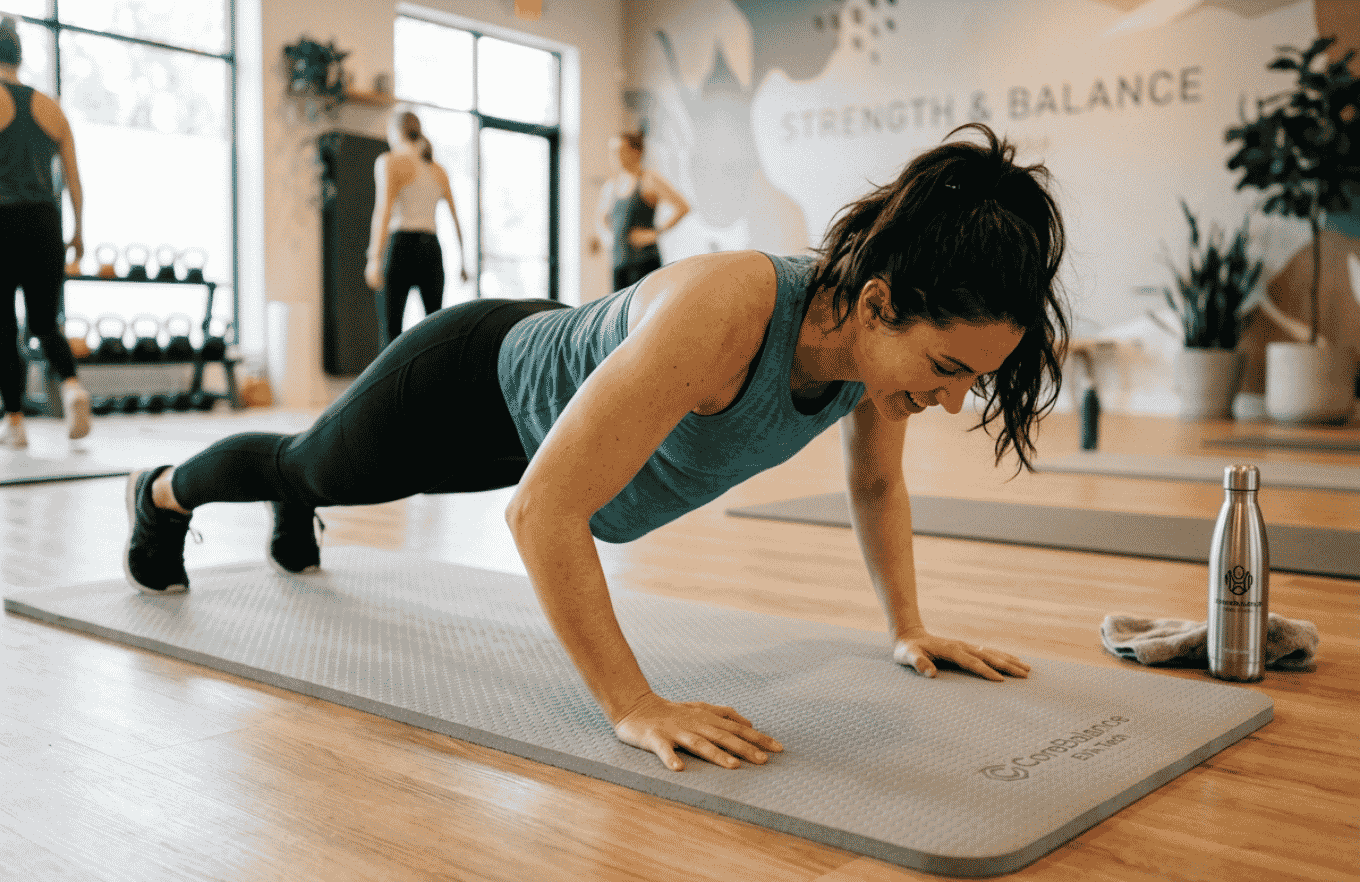
Closed-cell foam is commonly used in yoga mats and exercise equipment, where it offers a combination of grip, comfort, and durability.
Samad Group of Industries continues to innovate in these areas, delivering solutions that meet both functional and commercial requirements.
Closed-cell foam maintains its properties over time, even in demanding environments. Its resistance to wear and tear ensures consistent performance, reducing the need for frequent replacements.
Despite its density, the material remains lightweight, making it easy to handle and integrate into various products without adding unnecessary weight.
From industrial manufacturing to consumer products, closed-cell foam adapts to diverse applications. Its ability to combine strength, insulation, and flexibility makes it a reliable choice for multiple sectors.
Samad Group of Industries has played a significant role in advancing these capabilities by focusing on innovation and quality-driven production.
Closed-cell foam may come at a higher cost compared to other foam types, but its durability and efficiency often justify the investment. Businesses must evaluate long-term value rather than focusing solely on initial expenses.
Choosing the right type of foam depends on the intended use. While closed-cell foam offers many advantages, certain applications may still benefit from alternative materials. Understanding these differences is key to making informed decisions.
Partner with Samad Group today to access high-performance foam solutions designed for durability, efficiency, and long-term value across diverse applications.
Closed-cell foam has redefined material performance by offering a unique combination of strength, insulation, and durability. Its sealed structure sets it apart from traditional foam types, making it a reliable choice for industries that demand consistency and resilience.
As technology continues to evolve, materials like EVA foam will play an even greater role in shaping innovative solutions. With manufacturers such as Samad Group of Industries leading the way, businesses can expect continued advancements that enhance both product quality and performance.
Closed-cell foam is used in insulation, packaging, and protective equipment due to its strength, moisture resistance, and long-term durability.
EVA foam offers a balanced combination of flexibility, cushioning, and durability, making it ideal for products like footwear and fitness equipment.
Its sealed cell structure prevents water absorption, making it highly resistant to moisture, mold, and environmental damage.