
September 18, 2026
Choosing the right production partner can shape everything from product quality to delivery timelines. For fashion brands entering new markets or expanding existing collections, an Apparel Manufacturer in Pakistan can provide access to established textile capabilities, skilled production teams, and flexible manufacturing options. However, finding the right partner requires more than comparing prices. Brands need to assess production capacity, communication, quality systems, material sourcing, and sustainability practices. Moreover, a successful relationship depends on whether the manufacturer understands the brand's expectations and can turn designs into consistent finished products. In this blog, we explore the key areas fashion brands should evaluate before selecting a manufacturing partner in Pakistan.
Pakistan has a well-established textile and apparel sector supported by access to cotton, fabric production, garment manufacturing, dyeing, finishing, and related services. This connected industry structure can simplify sourcing for fashion brands that want to manage several stages of production through fewer partners.
For international buyers, this can also create opportunities for competitive production without automatically compromising product specifications. The key, however, is selecting a manufacturer whose capabilities match the brand's requirements.
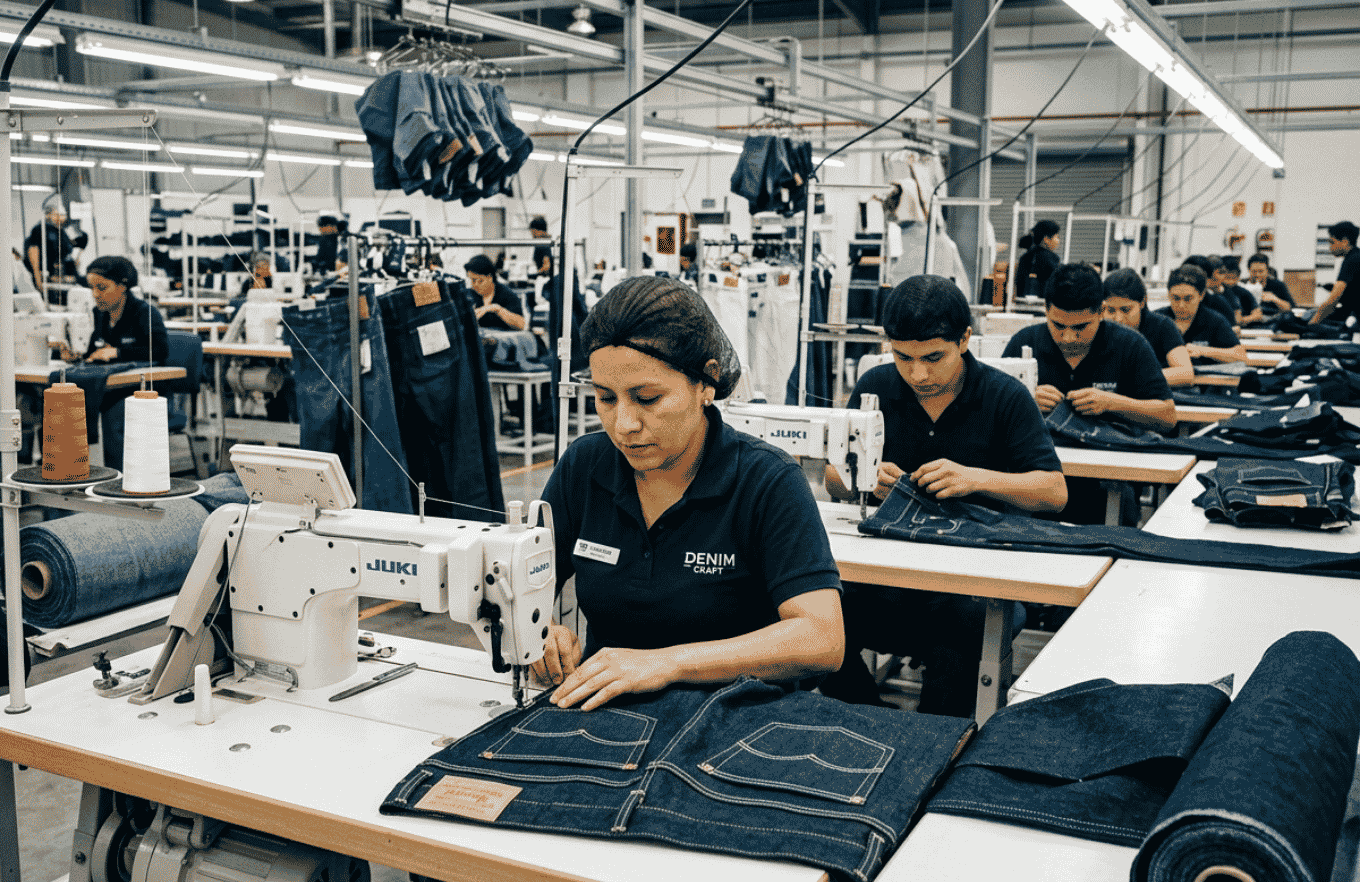
A capable manufacturer may support multiple stages of garment production, including fabric sourcing, cutting, stitching, finishing, quality inspection, packaging, and preparation for shipment. Having these capabilities coordinated can reduce unnecessary communication between separate suppliers.
Fashion brands should still verify which processes are handled internally and which are outsourced. This distinction can affect lead times, quality control, and production visibility.
The first step is to define exactly what the brand expects from its manufacturing partner. Product category, order quantity, fabric requirements, construction details, labeling, packaging, and target markets should all be discussed before production begins.
An Apparel Manufacturer in Pakistan should be able to explain its production capabilities clearly rather than making broad promises. Ask for relevant samples, production specifications, available machinery, quality procedures, and realistic lead times.
Capacity matters because a manufacturer suitable for small collections may not have the infrastructure required for large seasonal orders. At the same time, a very large factory may not prioritize smaller fashion brands.
Look for a production setup that fits your expected order volumes and future growth. This makes it easier to move from sampling to bulk production without repeatedly changing suppliers.
Quality problems become expensive when they are identified after thousands of garments have already been produced. A stronger approach begins with clear specifications and sample approval.
Measurements, fabric composition, stitching quality, color consistency, trims, labels, and finishing should be checked before bulk manufacturing begins. Most importantly, the approved sample should become the reference point for production.
Samad Group of Industries emphasizes the importance of structured manufacturing practices where consistency matters across different production requirements.
Samples allow fashion brands to identify issues before committing to a full order. A proper review can reveal problems with fit, fabric behavior, construction, color, or finishing.
Furthermore, brands should document approved measurements and specifications. Written details reduce misunderstandings when production teams begin working on larger quantities.
Sustainability is no longer limited to marketing language. Fashion brands increasingly need to understand how materials are sourced, how waste is handled, and how production processes affect resource consumption.
Sustainable Apparel can involve several practical decisions, from selecting more responsible materials to improving cutting efficiency and reducing unnecessary waste. Brands should ask manufacturers about their fabric options, waste management practices, packaging choices, and production processes.
A manufacturer should be able to explain its sustainability practices with specific information rather than relying only on general statements. For example, buyers can ask how fabric waste is managed or whether recycled and lower-impact materials are available for particular products.
Samad Group supports manufacturing conversations where sustainability can be considered alongside product quality and commercial requirements.
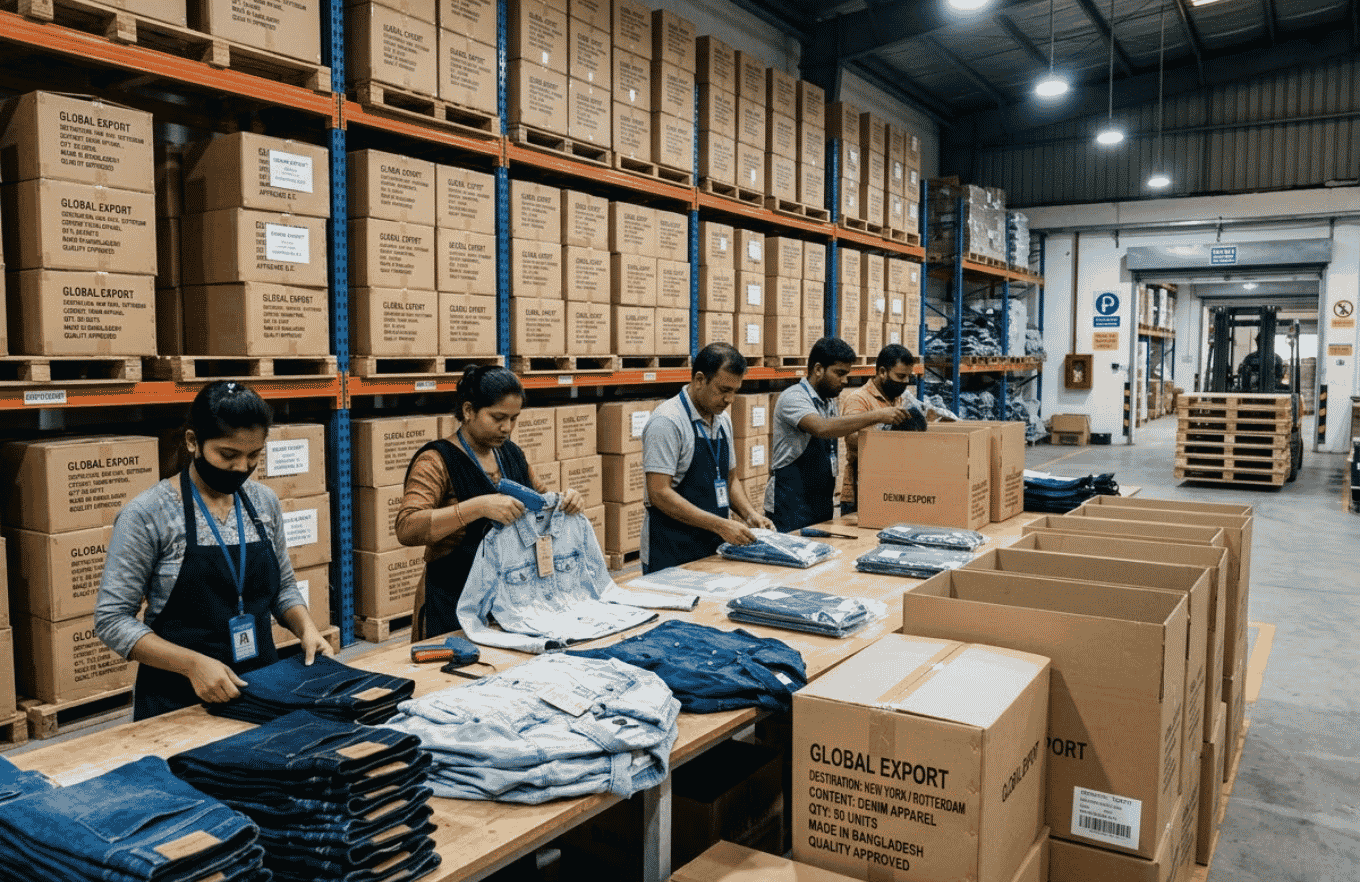
Even a technically capable factory can become difficult to work with if communication is inconsistent. Fashion production involves many details, and small misunderstandings can create significant problems later.
Brands should establish clear communication channels for sampling, approvals, production updates, quality concerns, and shipment schedules. Moreover, agreed timelines should be realistic and documented.
A manufacturer that communicates clearly gives buyers greater visibility throughout the production cycle. This is particularly important for fashion brands working across different time zones and markets.
A low quotation may look attractive initially, but the cheapest option can become expensive if it leads to inconsistent quality, delays, rework, or excessive waste.
Fashion brands should compare the complete value offered by potential suppliers. Production quality, material sourcing, communication, minimum order quantities, lead times, quality controls, and scalability all contribute to the actual cost of a manufacturing relationship.
Once a manufacturer consistently meets quality and delivery expectations, developing a longer-term relationship can make future production easier. Familiarity with product specifications can reduce repeated sampling and communication.
For brands seeking Sustainable Apparel, a long-term relationship can also make it easier to work on material improvements and more efficient production practices over time.
The right supplier should function as a practical extension of a fashion brand's production strategy. Samad Group can help demonstrate how manufacturing relationships can combine product requirements, quality expectations, and responsible production considerations.
An Apparel Manufacturer in Pakistan should therefore be evaluated based on capabilities, transparency, consistency, and the ability to support the brand beyond a single order.
Sourcing apparel successfully requires more than finding a factory with competitive pricing. Fashion brands need a manufacturing partner that understands specifications, maintains consistent quality, communicates clearly, and can adapt as the brand grows. Sustainable Apparel should also be considered as part of the wider sourcing strategy rather than treated as an afterthought.
By evaluating production capacity, quality procedures, sustainability practices, communication, and long-term flexibility, buyers can build stronger and more reliable manufacturing partnerships.
Partner with Samad Group for dependable apparel manufacturing, quality-focused production, and sustainable sourcing support tailored to your fashion brand's needs.
Fashion brands should ask about production capacity, minimum order quantities, sampling procedures, quality control, lead times, material sourcing, sustainability practices, and export capabilities.
Brands can request development samples, review measurements and construction details, approve materials, and establish written specifications before authorizing bulk production.
Yes, manufacturers may offer sustainable material and production options depending on their capabilities, suppliers, processes, and the specific requirements of the fashion brand.