
June 29, 2026
Traditional garment manufacturing has long been linked with excessive fabric waste, overproduction, water pollution, and discarded inventory. Today, however, sustainable apparel is changing how manufacturers approach production efficiency and environmental responsibility. Brands across the global fashion industry are now shifting toward smarter sourcing, ethical production methods, and waste reduction strategies to remain competitive and environmentally responsible.
As consumer awareness continues to rise, businesses are under pressure to reduce textile waste without compromising product quality. Moreover, fashion brands are seeking manufacturing partners capable of supporting responsible production at scale. An experienced apparel manufacturer in Pakistan can help brands improve operational efficiency while reducing unnecessary waste throughout the manufacturing cycle. Furthermore, companies like Samad Group of Industries are helping modern businesses align production goals with sustainability expectations through innovative textile manufacturing practices.
Traditional apparel production often creates waste at multiple stages. Fabric cutting leftovers, unsold inventory, inefficient dyeing methods, and excessive packaging contribute heavily to environmental damage. Most importantly, fast fashion production cycles encourage mass manufacturing without proper inventory planning.
One of the biggest contributors to textile waste comes from fabric cutting operations. In many factories, large portions of fabric become unusable due to poor marker planning and inefficient cutting techniques. Furthermore, low-quality planning increases production costs and reduces material efficiency.
Modern sustainable apparel practices focus on advanced digital pattern-making systems that optimize fabric utilization. Samad Group of Industries adopts efficient manufacturing approaches that help minimize raw material wastage while maintaining product consistency.
Traditional garment businesses often manufacture products in bulk without accurate demand forecasting. As a result, unsold apparel eventually becomes landfill waste. Moreover, excessive inventory storage increases operational expenses for brands and retailers.
Sustainable production models encourage demand-based manufacturing and smaller batch production. This strategy allows brands to respond quickly to changing fashion trends while minimizing unnecessary stock accumulation.
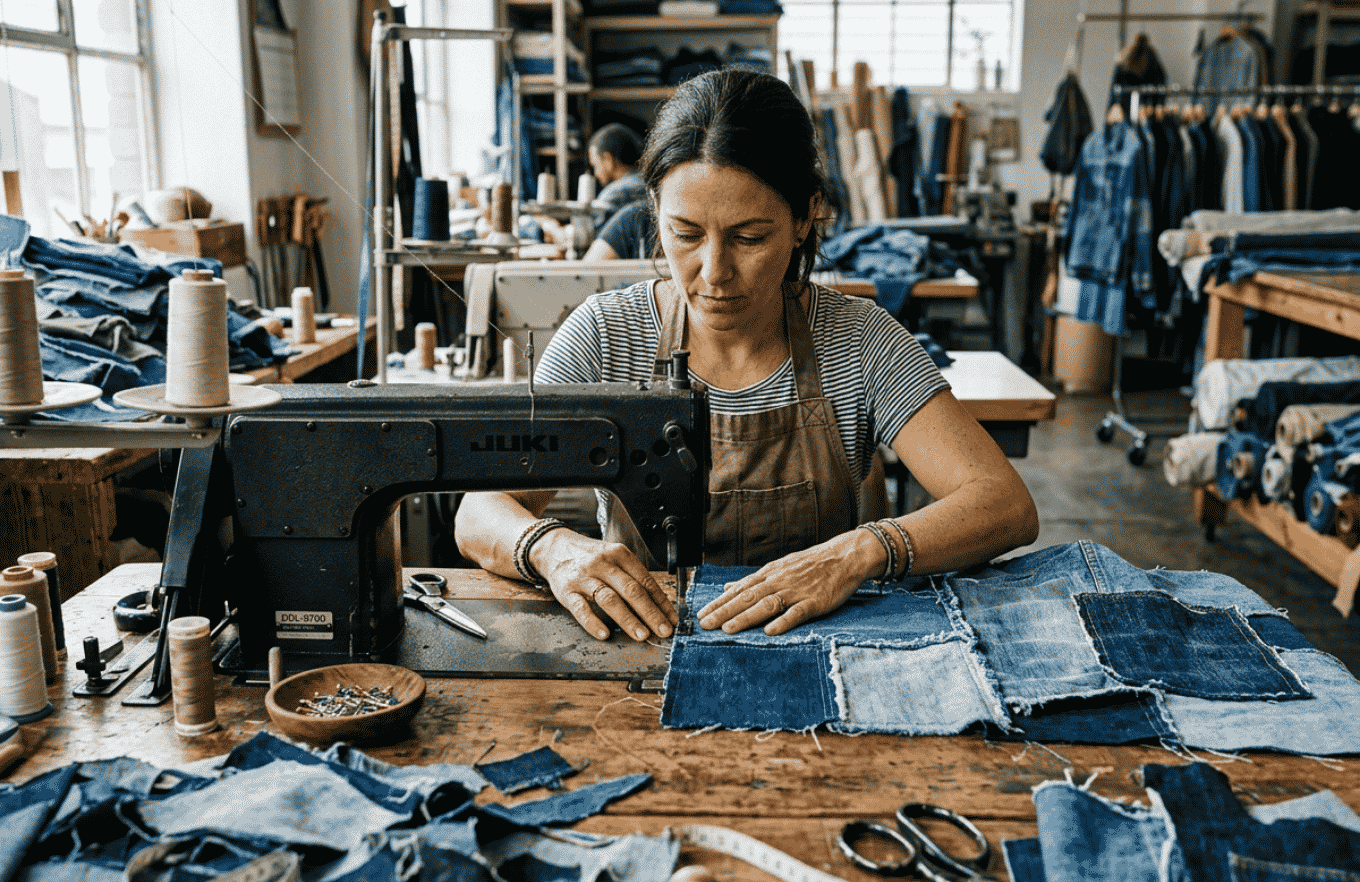
Sustainable apparel introduces responsible production systems that reduce environmental impact while improving overall efficiency. Instead of focusing only on profits, manufacturers now prioritize material optimization, recycling practices, and long-term sustainability.
Modern factories now use AI-assisted fabric cutting software and digital production planning systems. These technologies reduce cutting waste significantly while improving productivity levels.
Key benefits include:
● Better fabric consumption management
● Lower raw material costs
● Improved production speed
● Reduced landfill textile waste
An experienced apparel manufacturer in Pakistan can help international brands adopt these efficient systems while maintaining consistent product quality standards.
Another major advancement in sustainable apparel involves the use of recycled fibers, organic cotton, and eco-friendly textiles. Furthermore, manufacturers are replacing harmful synthetic materials with sustainable alternatives that consume fewer resources during production.
Many global brands now prefer suppliers capable of offering recycled fabric sourcing and sustainable textile development. Samad Group of Industries continues to support this transition by aligning manufacturing capabilities with modern sustainability requirements.
Traditional dyeing and textile processing methods consume enormous amounts of water and energy. Furthermore, untreated wastewater from textile factories creates serious environmental concerns globally.
Sustainable manufacturing facilities now implement low-water dyeing systems and chemical management programs to reduce environmental damage. These technologies not only conserve water but also lower operational expenses.
Benefits include:
● Reduced water consumption
● Lower chemical usage
● Improved compliance with environmental regulations
● Better workplace safety standards
Moreover, sustainable apparel manufacturers increasingly invest in water recycling systems that reuse treated water during production processes.
Energy-efficient factories play a major role in reducing carbon emissions. Modern manufacturing plants now integrate renewable energy systems, energy-saving machinery, and automated production lines to improve efficiency.
Samad Group of Industries understands the growing demand for environmentally responsible manufacturing and supports practices that reduce energy waste while maintaining production capacity.

Sustainability is no longer limited to fabrics alone. Most importantly, brands now evaluate entire supply chains before selecting manufacturing partners.
Responsible sourcing helps reduce environmental impact by ensuring raw materials come from ethical and sustainable suppliers. Furthermore, transparent sourcing systems improve brand credibility among environmentally conscious consumers.
Reliable suppliers focus on:
● Sustainable raw material sourcing
● Ethical labor practices
● Transparent manufacturing systems
● Reduced transportation emissions
An efficient apparel manufacturer in Pakistan can help international brands establish more responsible and traceable supply chains.
Producing garments closer to sourcing hubs significantly reduces transportation-related emissions and logistics waste. Furthermore, localized production improves communication efficiency and delivery timelines.
This is one reason why Pakistan continues to grow as a preferred destination for sustainable textile manufacturing solutions.
Modern consumers actively support brands that demonstrate environmental responsibility. Moreover, younger buyers increasingly evaluate sustainability before making purchasing decisions.
Customers now prefer durable clothing produced through ethical manufacturing systems. This shift encourages brands to focus on long-lasting products instead of disposable fashion trends.
As sustainable apparel demand increases, manufacturers are adapting by offering environmentally responsible production methods and recyclable packaging solutions.
Sustainability has become a major competitive advantage for fashion businesses. Brands that reduce waste and support ethical manufacturing often build stronger customer trust and loyalty.
Furthermore, businesses collaborating with experienced partners like Samad Group of Industries gain better positioning within environmentally conscious global markets.
Despite its advantages, transitioning toward sustainable manufacturing still presents challenges for many companies.
Sustainable production systems often require advanced machinery, energy-efficient technologies, and staff training programs. Initially, these investments may appear expensive for manufacturers.
However, long-term savings from reduced waste, lower energy consumption, and improved efficiency often outweigh the upfront costs.
Some manufacturers struggle to maintain high production volumes while implementing sustainability standards. Furthermore, sourcing eco-friendly materials consistently can become challenging without reliable supplier networks.
This is why brands increasingly collaborate with experienced apparel manufacturers in Pakistan facilities capable of balancing scalability with sustainability objectives.
The future of fashion manufacturing depends heavily on sustainability innovation. Governments, consumers, and fashion brands are all demanding more responsible production systems.
Emerging trends include:
● Circular fashion manufacturing
● Zero-waste production models
● Biodegradable textile materials
● AI-driven inventory forecasting
● Carbon-neutral manufacturing facilities
Moreover, manufacturers embracing sustainability today are positioning themselves for stronger long-term growth opportunities.
Samad Group of Industries continues to contribute toward modern manufacturing advancements by supporting responsible production systems aligned with evolving global standards.
Partner with Samad Group of Industries for smarter, sustainable apparel solutions that reduce waste while improving manufacturing efficiency globally.
Sustainable apparel is no longer simply a trend within the fashion industry. It has become a practical and necessary solution for reducing waste, improving efficiency, and supporting long-term environmental responsibility. Traditional manufacturing systems created significant environmental challenges due to overproduction, excessive fabric waste, and resource-heavy operations. However, modern sustainable manufacturing practices are helping brands address these issues effectively.
Furthermore, businesses now recognize that sustainability improves operational efficiency, strengthens brand reputation, and supports long-term profitability. An experienced apparel manufacturer in Pakistan can help global brands implement smarter production systems that align with both environmental and commercial goals. Most importantly, companies like Samad Group of Industries continue helping fashion businesses transition toward more responsible and efficient manufacturing practices for the future.
Sustainable apparel reduces textile waste by improving fabric utilization, supporting recycled materials, minimizing overproduction, and implementing efficient manufacturing technologies.
An apparel manufacturer in Pakistan offers competitive production capabilities, skilled labor, scalable manufacturing, and growing expertise in sustainable textile solutions.
Samad Group of Industries supports sustainable apparel production through efficient manufacturing systems, responsible sourcing practices, and environmentally conscious textile operations.