
January 23, 2026
Sustainable apparel has become a defining factor for denim brands aiming to grow beyond domestic boundaries. In competitive export markets, buyers no longer look only at price, volume, or turnaround time. They want proof that a brand operates responsibly, ethically, and consistently. Certifications now serve as that proof. Within the first few supplier conversations, certifications often determine whether a factory moves forward or is quietly removed from consideration. Sustainable apparel standards create trust where distance and scale once created doubt. For denim brands trying to secure long-term export contracts, certifications are not paperwork. They are a business asset that supports credibility, access, and growth.
As global sourcing becomes more transparent, certifications increasingly shape how brands are perceived, evaluated, and selected.
Export buyers operate under pressure from regulators, consumers, and investors. They need supply partners who align with their sustainability commitments without constant oversight. Certifications offer independent verification that a manufacturer meets defined standards for environmental impact, labor practices, and operational control.
For a denim jeans manufacturer, certifications reduce friction in negotiations. Buyers trust audited systems more than promises or marketing claims. When a factory holds recognized certifications, it signals maturity, discipline, and readiness for international trade. This is especially important in markets like Europe and North America, where compliance requirements are strict, and documentation is non-negotiable.
Sustainable apparel certifications also reduce buyer risk. They show that a supplier has systems in place, not just intentions. This reassurance often leads to larger orders, longer contracts, and deeper partnerships.
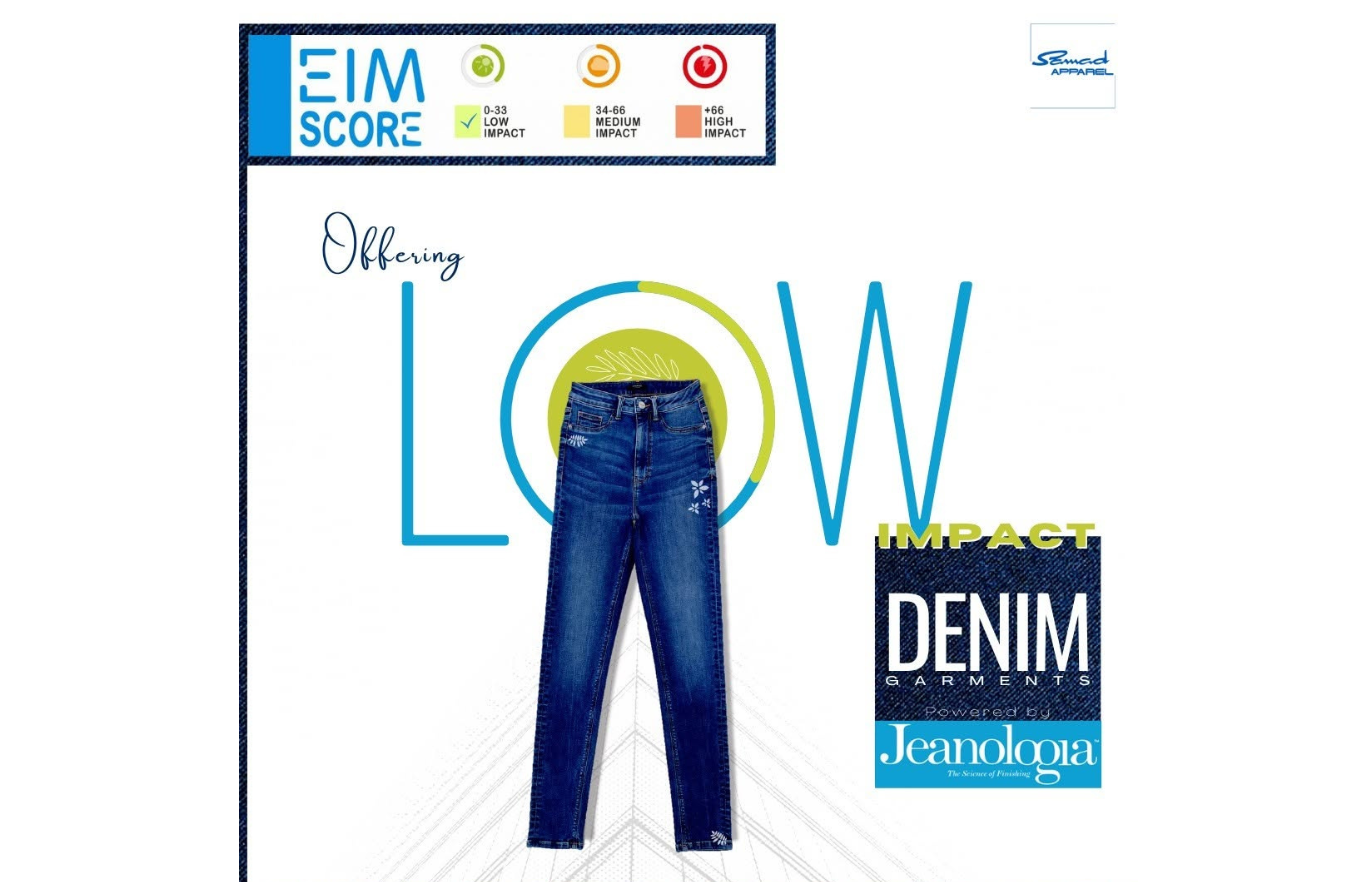
Not all certifications serve the same purpose. Each addresses a different concern within the export supply chain, and together they create a complete picture of a responsible manufacturer.
Environmental certifications focus on water usage, chemical control, waste management, and emissions. In denim production, where water and chemicals play a central role, these certifications carry significant weight.
They demonstrate that a manufacturer understands its environmental footprint and actively works to reduce it. Export buyers increasingly prioritize suppliers who can document reduced water consumption, safer chemical handling, and responsible effluent treatment. Sustainable apparel expectations in this area continue to rise, making environmental certifications a baseline requirement rather than a differentiator.
Social compliance certifications confirm that workers are treated fairly, paid responsibly, and provided safe working conditions. For export markets, labor transparency is critical. Brands cannot afford reputational risks tied to unethical practices within their supply chains.
For a denim jeans manufacturer, these certifications show operational stability. Factories with strong labor standards often experience lower turnover, better productivity, and more consistent quality. Buyers recognize this connection and favor suppliers who invest in their workforce.
Traceability certifications allow buyers to follow materials from source to finished garment. This matters in sustainable apparel because transparency builds confidence. Export brands want to know where fibers come from, how fabrics are processed, and whether claims can be verified.
Traceability supports storytelling for retail brands while protecting them from accusations of greenwashing. Manufacturers that can provide this visibility often gain preferred supplier status.
Certifications do more than satisfy buyer requirements. They actively strengthen a denim brand’s position in crowded export markets.
First, certifications shorten sales cycles. Buyers spend less time auditing and more time planning production. Second, they open doors to premium markets that are otherwise inaccessible. Many global retailers maintain approved supplier lists that require specific certifications before engagement.
Third, certifications improve internal discipline. Documented processes, regular audits, and performance tracking lead to better efficiency and fewer disruptions. Companies like Samad Group have demonstrated how structured compliance supports scalability without sacrificing consistency.
Finally, certifications help justify pricing. Sustainable apparel production often involves higher upfront costs, but certified manufacturers can explain and defend their value more effectively during negotiations.
While certifications offer clear benefits, poorly managed certification strategies can backfire. Some manufacturers pursue too many certifications without aligning them to their target markets. This leads to high costs and minimal return.
Others treat certification as a one-time achievement rather than an ongoing system. Export buyers quickly identify outdated or poorly maintained certifications, which can damage trust more than having none at all.
Successful denim exporters focus on relevance, consistency, and transparency. They choose certifications that align with buyer expectations and integrate requirements into daily operations. This is where experienced groups such as Samad Group often stand out by embedding compliance into production culture rather than isolating it within documentation teams.
Certifications are not just entry tickets to export markets. They are tools for long-term resilience. As regulations tighten and consumer awareness grows, uncertified manufacturers face shrinking opportunities.
Sustainable apparel certifications help future-proof denim businesses. They prepare manufacturers for evolving regulations, changing buyer expectations, and increased scrutiny. Brands that invest early in credible certifications tend to adapt faster and maintain stronger relationships with global clients.
For manufacturers aiming to transition from transactional suppliers to strategic partners, certifications signal commitment. This is one reason groups like Samad Group continue to prioritize compliance alongside capacity and innovation.
A strong certification strategy starts with understanding target markets. Different regions prioritize different standards. Manufacturers should map buyer requirements before investing in audits.
Next comes internal alignment. Production, sourcing, HR, and compliance teams must work together. Certifications fail when they remain isolated from operations.
Finally, communication matters. Export buyers value clarity. Manufacturers should present certifications as part of a broader sustainable apparel narrative, not as a checklist. Clear reporting, honest limitations, and measurable progress build long-term trust. Samad Group has successfully used this approach to strengthen export relationships across multiple markets.
Sustainable apparel certifications have become central to how denim brands compete, grow, and survive in export markets. They build trust, reduce risk, and create access where barriers once existed. For any denim jeans manufacturer serious about global growth, certifications are not optional add-ons, they are strategic investments that shape credibility and opportunity. Brands that approach certification thoughtfully, align it with operations, and communicate it clearly will continue to outperform in an increasingly demanding global landscape.
Connect with our team today to explore certification-ready manufacturing solutions built for global denim export success.
The most relevant sustainable apparel certifications depend on target markets, but buyers typically prioritize environmental management, social compliance, and material traceability standards for denim exports.
Certifications reduce buyer risk, speed up supplier approvals, and demonstrate operational reliability, making certified denim manufacturers more attractive for long-term export partnerships.
While certifications involve costs, they often deliver strong returns through market access, pricing power, efficiency improvements, and stronger buyer relationships over time.