
September 17, 2026
Sourcing clothing for a growing brand can quickly become complicated when quality, production capacity, pricing, timelines, and customization all need to work together. The right manufacturing partner can make the process smoother, while a poor choice can lead to inconsistent products, missed deadlines, and unnecessary costs.
For buyers comparing Apparel Manufacturers in Pakistan, the goal should not be finding the lowest quotation alone. A capable manufacturer should understand your product requirements, maintain consistent quality, communicate clearly, and deliver according to agreed specifications. Fabric selection, stitching, finishing, sizing, and production capacity can all influence the final result, especially when ordering at scale.
In this blog, we explore the key factors buyers should consider when sourcing apparel, from evaluating manufacturing capabilities to checking sustainability practices and building a reliable long-term supplier relationship.
Before approaching manufacturers, establish exactly what you want to produce. Product type, fabric composition, GSM, colors, sizes, trims, branding, packaging, and finishing requirements should be clear from the beginning.
A detailed specification gives manufacturers a better understanding of the project and allows you to compare quotations more accurately. Moreover, it reduces the possibility of misunderstandings during sampling and bulk production.
Not every product needs the same level of customization. Determine which features are essential for performance and which are optional design additions. This helps control costs without compromising the characteristics that matter most to your customers.

Production capacity is particularly important for buyers planning regular or large-volume orders. Ask about manufacturing facilities, available machinery, workforce capabilities, quality-control procedures, and typical production timelines.
The objective is not simply to find a factory that can produce your first order. You want a manufacturing partner capable of maintaining consistent quality when volumes increase.
Samad Group of Industries represents a broader manufacturing setup where production capabilities can support different business requirements.
Samples provide a practical way to evaluate a manufacturer's work before committing to a large order. Examine fabric quality, stitching, measurements, color accuracy, seams, labels, and finishing.
Once a sample is approved, its specifications should be documented and used as the reference for bulk production. This simple step can significantly reduce inconsistencies between the approved product and the final shipment.
The right fabric depends on how and where the apparel will be used. Lightweight materials may work well for casual clothing, while work-focused garments may require stronger fabrics with greater resistance to repeated washing and wear.
Buyers should also consider shrinkage, colorfastness, fabric feel, breathability, and durability. Furthermore, requesting fabric samples before production can help prevent expensive quality problems later.
Quality is visible in the details. Stitch density, seam construction, button attachment, zippers, hems, embroidery, printing, and overall finishing can influence both appearance and product life.
A competitive quotation has little value if poor construction results in returns or customer complaints.
Sustainability is becoming an important sourcing consideration for brands that want to reduce the environmental impact of their products. Sustainable Apparel can involve responsible material choices, reduced production waste, efficient resource use, and longer-lasting garments.
However, buyers should ask specific questions rather than relying on general sustainability claims. Discuss fabric sourcing, waste management, production processes, packaging, and available recycled or lower-impact materials.
For brands building long-term sustainability goals, Sustainable Apparel should be considered alongside quality and commercial performance rather than treated as a separate concern.
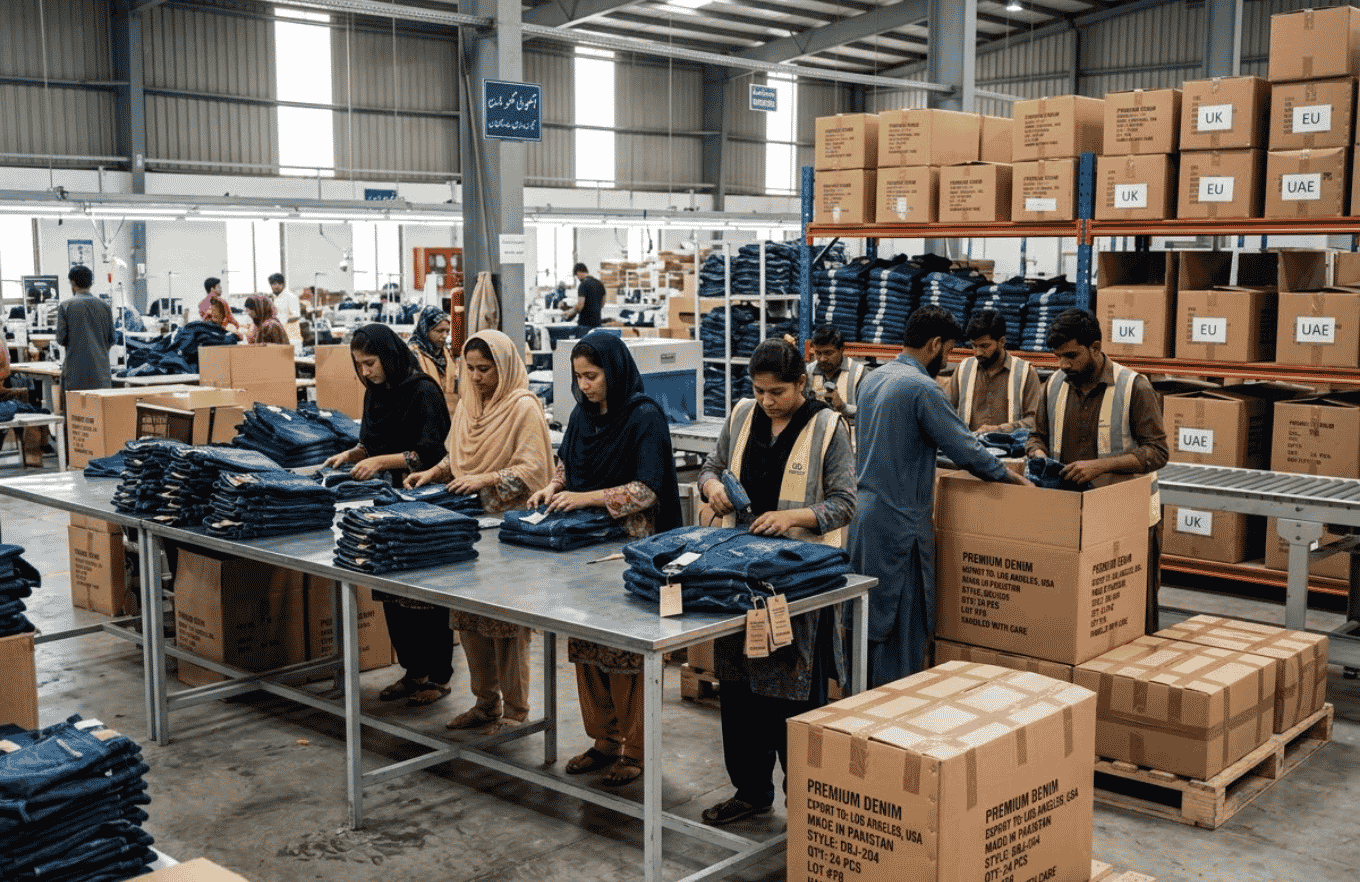
The cheapest quotation does not always represent the lowest overall cost. Buyers should consider sampling charges, customization costs, packaging, shipping requirements, minimum order quantities, potential defect rates, and replacement costs.
Moreover, consistent production can save money over time by reducing rejected products and minimizing the need for repeated corrections.
Minimum order quantities can vary considerably between manufacturers. Smaller brands should confirm these requirements early, while established buyers may want to negotiate pricing based on recurring production volumes.
Clear commercial terms make budgeting easier and prevent surprises once production begins.
A manufacturer can produce excellent garments but still create problems if communication is poor. Buyers should establish clear points of contact, approval stages, production deadlines, inspection procedures, and shipping arrangements.
Samad Group can be considered by businesses looking for a manufacturing relationship where product requirements and production expectations can be discussed clearly.
Reliable communication becomes even more important when buyers operate internationally and cannot personally monitor every stage of production.
Choosing a supplier should be viewed as a long-term business decision rather than a one-time transaction. Once a manufacturer consistently meets quality, pricing, and delivery expectations, maintaining that relationship can simplify future orders.
Samad Group of Industries can be part of a sourcing evaluation when buyers are comparing manufacturing capabilities, sustainability considerations, and long-term production requirements.
A strong sourcing strategy also involves maintaining approved samples, technical specifications, size charts, packaging instructions, and quality standards for future production runs.
Sourcing from Apparel Manufacturers in Pakistan can offer buyers access to established textile and garment production capabilities, but successful sourcing requires careful evaluation. Product specifications, sampling, fabric quality, production capacity, pricing, sustainability, and communication should all be considered before placing a bulk order.
Most importantly, buyers should look for a manufacturing partner that can consistently meet their requirements rather than simply offering an attractive initial price. With proper research and clear communication, sourcing can become a dependable part of a brand's long-term growth strategy.
Ready to source quality apparel with dependable production and customization support? Contact Samad Group today to discuss your bulk manufacturing requirements.
Compare manufacturing capacity, product quality, samples, customization options, minimum order quantities, quality control, pricing, communication, and delivery performance before selecting a supplier.
Ask about fabric sourcing, recycled materials, production waste, resource efficiency, packaging, and manufacturing processes to understand how sustainability is incorporated into production.
Samples allow buyers to assess fabric, stitching, measurements, colors, finishing, and construction before approving a large production order, helping prevent costly quality issues.