
September 18, 2026
Fashion has become more than a way to express personal style. Today, younger consumers pay closer attention to how their clothing is made, where materials come from, and whether brands operate responsibly. Millennials and Gen Z are changing the global fashion industry by supporting companies that prioritize transparency, ethical sourcing, and environmental responsibility. As awareness of climate change and responsible consumption continues to grow, purchasing decisions are increasingly influenced by values rather than price alone.
This shift has significantly increased the demand for Sustainable Apparel. Consumers now look for clothing that combines quality, durability, and responsible manufacturing practices. Furthermore, businesses that embrace sustainability are building stronger customer trust, improving brand loyalty, and positioning themselves for long-term growth in an increasingly competitive global market.

Millennials and Gen Z have grown up with instant access to information through social media, digital platforms, and online reviews. Because of this, they can easily research how clothing is produced before making a purchase.
Moreover, these generations often prefer brands that openly communicate their manufacturing processes, sourcing practices, and environmental initiatives. Rather than buying more clothing at lower prices, many consumers now prioritize garments that offer lasting value and responsible production.
This change has encouraged manufacturers worldwide to improve product quality while adopting more sustainable production methods.
Fast fashion may offer lower prices, but it often sacrifices durability and responsible manufacturing. In contrast, younger consumers increasingly prefer garments that last longer, maintain their appearance, and reduce unnecessary waste.
Choosing Sustainable Apparel allows buyers to invest in products that provide greater long-term value. Furthermore, durable clothing reduces the need for frequent replacements, supporting more responsible consumption while lowering overall environmental impact.
As customer expectations continue evolving, manufacturers are placing greater emphasis on producing apparel that combines comfort, performance, and sustainability.
Modern consumers expect brands to be transparent about their production processes. They want clear information about raw materials, labor practices, manufacturing facilities, and quality standards before making purchasing decisions.
An experienced Apparel Manufacturer in Pakistan that shares this information openly is more likely to earn customer confidence and establish long-term business relationships.
Furthermore, transparent manufacturing practices help global retailers meet growing consumer expectations while strengthening their own brand reputation.
Customers are more likely to remain loyal to brands that demonstrate genuine commitment to responsible manufacturing instead of following short-term marketing trends.
Companies that continuously improve their manufacturing processes often develop stronger relationships with international buyers. Samad Group continues supporting this industry by emphasizing consistent product quality and responsible manufacturing practices. Likewise, Samad Group of Industries remains committed to innovation that aligns with the growing global demand for sustainable textile production.
Environmental concerns have become one of the biggest factors influencing fashion purchases. Younger generations understand how excessive waste, overproduction, and inefficient manufacturing affect the planet. As a result, they actively seek clothing made through responsible production methods.
Moreover, Sustainable Apparel promotes efficient resource utilization, minimizes production waste, and encourages longer product life cycles. These advantages appeal to consumers who want their purchasing decisions to reflect their personal values.
Manufacturers that invest in cleaner production processes are better positioned to meet the growing expectations of international buyers while maintaining long-term competitiveness.
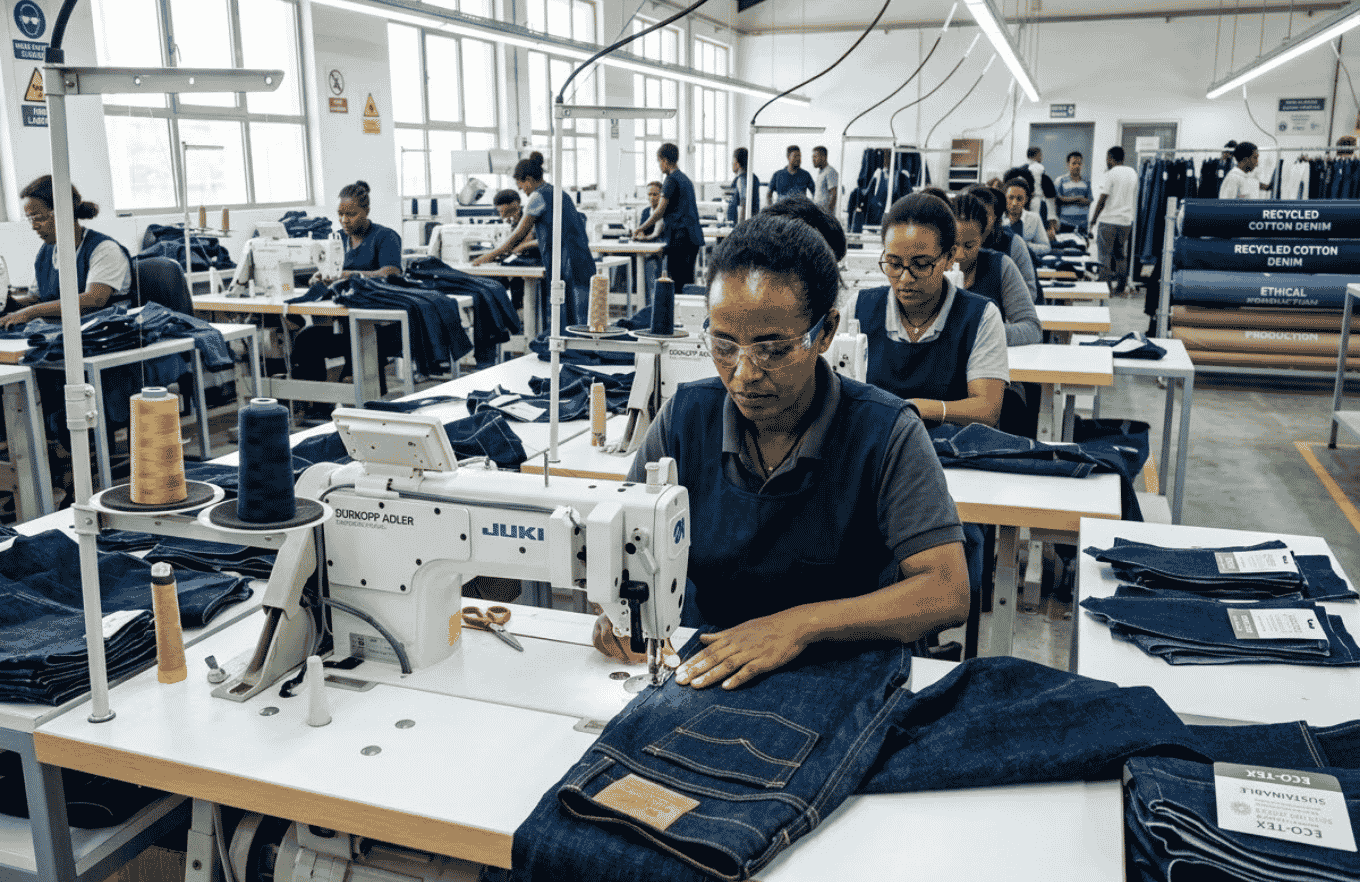
Innovation plays a major role in the future of sustainable fashion. Advanced production technologies, improved fabric development, efficient water management, and responsible sourcing practices continue to reshape the apparel industry.
Furthermore, an experienced Apparel Manufacturer in Pakistan understands the importance of balancing quality, efficiency, and sustainability. By continuously improving manufacturing capabilities, suppliers can meet evolving customer demands while maintaining consistent product performance.
Social media platforms have transformed how consumers discover and evaluate fashion brands. Millennials and Gen Z frequently rely on online reviews, influencer recommendations, and brand transparency before making purchasing decisions.
Furthermore, consumers quickly recognize authentic sustainability efforts while identifying misleading environmental claims. This increased awareness encourages manufacturers to adopt genuine sustainability initiatives rather than relying solely on promotional messaging.
Companies that consistently deliver quality products while maintaining responsible production practices build stronger customer loyalty and long-term credibility.
Many younger consumers now evaluate clothing based on durability instead of simply choosing the lowest-priced option. Well-made garments retain their appearance, perform better over time, and reduce replacement costs.
Most importantly, investing in Sustainable Apparel allows consumers to purchase fewer but higher-quality products that support responsible consumption habits. This growing preference continues driving demand for manufacturers capable of delivering consistent quality alongside sustainable production.
Organizations committed to continuous improvement recognize that long-term success depends on both product excellence and responsible manufacturing. Samad Group continues strengthening its manufacturing capabilities to meet evolving global market expectations. Likewise, ongoing investments by Samad Group of Industries support innovation, operational efficiency, and high-quality apparel manufacturing for international customers.
The popularity of sustainable fashion is expected to continue growing as younger generations gain greater purchasing power. Consumers increasingly expect apparel manufacturers to demonstrate transparency, environmental responsibility, and consistent product quality.
Moreover, businesses that embrace sustainable manufacturing today are likely to build stronger customer relationships, improve brand reputation, and remain competitive in the evolving global apparel market. Manufacturers that prioritize innovation, ethical production, and continuous quality improvement will continue leading the industry for years to come.
Partner with Samad Group to develop premium Sustainable Apparel solutions backed by responsible manufacturing, consistent quality, innovative production expertise, and reliable support that helps your brand grow confidently in global markets.
The growing demand for Sustainable Apparel reflects a major shift in consumer priorities. Millennials and Gen Z increasingly value quality, transparency, ethical manufacturing, and environmental responsibility when purchasing clothing. Furthermore, manufacturers that invest in sustainable production practices are better equipped to meet global market expectations while building stronger customer trust. As responsible fashion continues gaining momentum, sustainability will remain a defining factor for long-term success across the apparel industry.
Sustainable Apparel appeals to younger consumers because it supports responsible manufacturing, long-lasting quality, environmental awareness, and ethical production practices that align with their purchasing values.
An experienced Apparel Manufacturer in Pakistan offers competitive manufacturing capabilities, skilled production, consistent quality standards, and scalable solutions that support international apparel brands.
Sustainable manufacturing improves operational efficiency, strengthens customer trust, reduces waste, enhances product quality, and helps businesses remain competitive in the evolving global fashion industry.