
June 29, 2026
A workwear manufacturer in Pakistan plays a critical role in ensuring that industrial workers stay safe in hazardous environments. Across sectors like construction, oil and gas, manufacturing, and logistics, safety clothing is not just a requirement but a necessity. This is where the importance of proper safety standards becomes clear.
The manufacturer is expected to deliver garments that meet strict international guidelines for durability, protection, and comfort. In this context, Pakistan has developed a strong reputation for producing reliable protective clothing manufacturer solutions that align with global expectations.
Companies like Samad Group are contributing to this industry by maintaining consistent quality control systems and adopting internationally recognized safety practices. As industries evolve, the demand for compliant and high-performance workwear continues to rise, making safety standards more important than ever.
Safety standards are the foundation of any reliable protective clothing system. They ensure that garments can withstand harsh environments while protecting workers from physical, chemical, and environmental hazards.
A workwear manufacturer in Pakistan must comply with these standards to remain competitive in global markets. These guidelines cover everything from fabric selection to stitching strength and flame resistance.
Moreover, Samad Group has focused on aligning its production systems with international benchmarks to ensure that every garment meets required safety levels. This commitment not only improves product reliability but also strengthens trust among international buyers.
Also, safety standards help reduce workplace injuries, improve productivity, and ensure long-term durability of garments used in industrial settings.
One of the most widely followed frameworks is ISO certification. A workwear manufacturer in Pakistan that follows ISO standards ensures consistent quality across all production stages.
Samad Group of Industries implements strict quality control procedures that align with ISO requirements. This includes fabric testing, production monitoring, and final product inspection to ensure compliance with global expectations.
European Norms (EN standards) define safety requirements for protective clothing manufacturer operations. These standards specify performance levels for high-visibility clothing, flame-resistant garments, and chemical protection wear.
An industrial workwear supplier adhering to EN standards ensures that garments can withstand extreme working conditions without compromising safety.
ASTM standards are used to evaluate fabric strength, durability, and resistance. These tests ensure that workwear performs well under stress, heat, and chemical exposure.
Samad Group integrates ASTM-based testing methods into its production cycle to guarantee long-lasting performance and reliability.
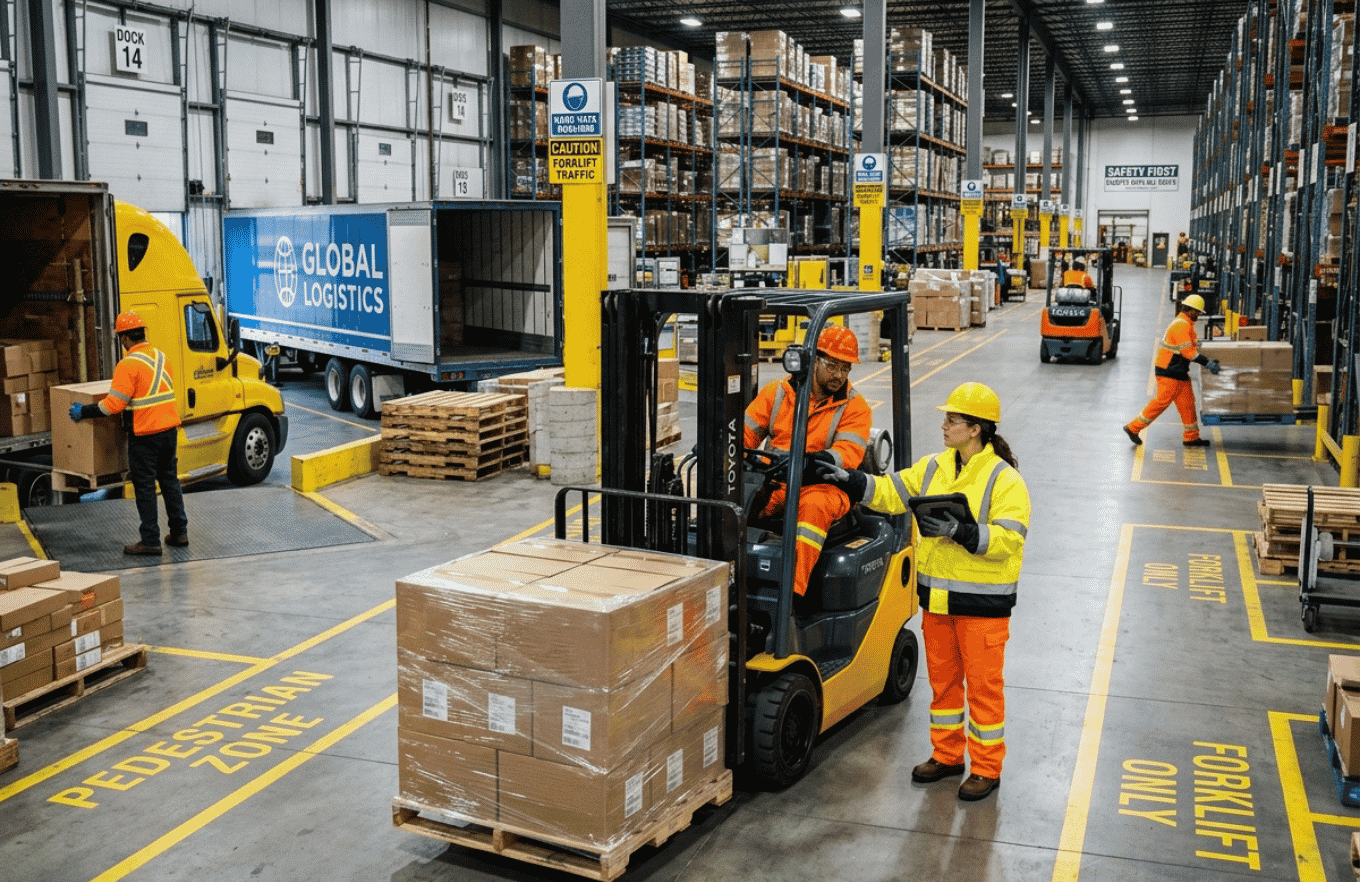
Material selection is one of the most important steps in producing safe industrial garments. A workwear manufacturer in Pakistan carefully chooses fabrics based on industry requirements such as flame resistance, breathability, and tear strength.
Protective clothing manufacturer processes involve extensive lab testing to ensure fabric quality. These tests simulate real-world conditions like heat exposure, abrasion, and chemical contact.
Samad Group uses advanced testing systems to ensure that every fabric batch meets required safety thresholds before production begins.
The manufacturing process of industrial workwear involves multiple stages, each requiring strict supervision. From cutting and stitching to finishing and packaging, every step must meet safety guidelines.
An industrial workwear supplier follows structured quality control systems to detect defects early and maintain consistency.
Samad Group applies multi-stage inspection methods that include in-line checks and final product audits. This ensures that every garment delivered meets international safety expectations.
Moreover, automated systems and skilled labor work together to maintain production accuracy and efficiency.
Safety standards are not limited to material strength alone; they also include garment design and functionality. A workwear manufacturer in Pakistan must ensure that clothing allows easy movement while providing maximum protection.
Features such as reinforced stitching, reflective strips, and ergonomic designs are essential in modern protective clothing manufacturing practices.
Samad Group integrates functional design principles into its production to ensure that workers remain comfortable and safe during long working hours.
Furthermore, proper design reduces fatigue and improves overall productivity in industrial environments.
Despite progress, the industry still faces challenges such as rising production costs, evolving standards, and global competition. However, continuous improvement is helping manufacturers overcome these issues.
An industrial workwear supplier must constantly upgrade processes to stay aligned with international requirements.
Samad Group invests in technology upgrades and workforce training to ensure compliance with changing safety regulations.
Moreover, industry collaboration and government support are helping strengthen Pakistan’s position in global safety apparel markets.
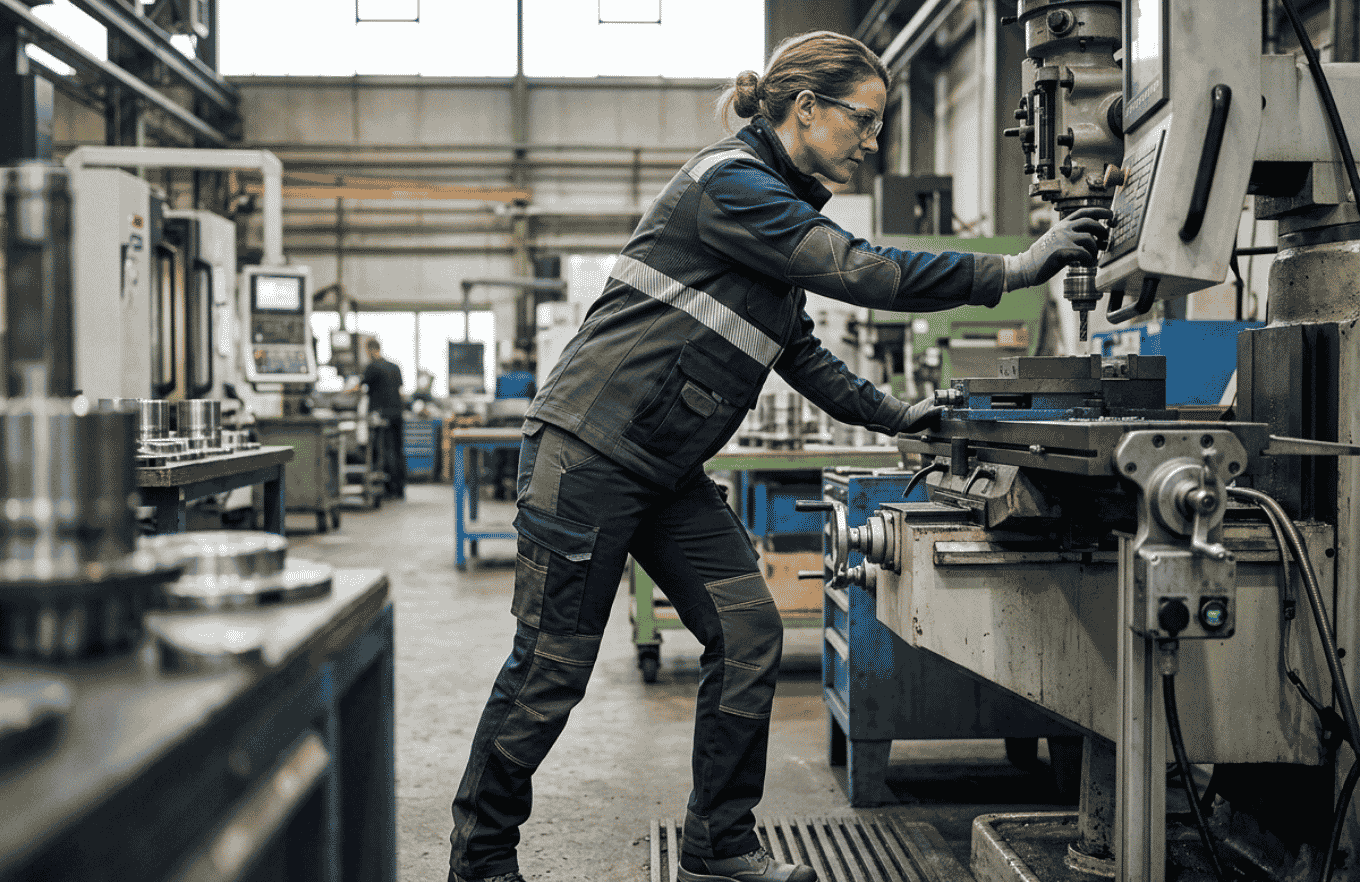
Technology is transforming how safety standards are implemented in manufacturing. Digital quality control systems, automated stitching machines, and real-time monitoring tools improve accuracy and reduce errors.
A workwear manufacturer in Pakistan using modern technology can achieve higher efficiency and better compliance results.
Samad Group has integrated advanced production technologies to streamline operations and enhance product quality.
Furthermore, data-driven systems allow manufacturers to track performance and improve safety standards continuously.
Safety standards are the backbone of reliable industrial clothing. A workwear manufacturer in Pakistan must follow international guidelines to ensure that garments provide maximum protection and durability.
From ISO and EN standards to advanced material testing and production systems, compliance ensures global competitiveness.
Well, Samad Group of industries continues to strengthen industry practices by focusing on quality, safety, and innovation. As demand for protective clothing manufacturer solutions grows, adherence to safety standards will remain a key success factor.
Contact us today to explore certified industrial workwear solutions designed for safety, comfort, and global compliance standards.
They typically follow ISO, EN, and ASTM standards to ensure durability, protection, and compliance with global industrial safety requirements.
They ensure worker protection, reduce injuries, and improve garment performance in hazardous working environments.
Through fabric testing, multi-stage inspections, and compliance with international safety certification systems.