
July 22, 2026
An industrial workwear manufacturer plays a far more critical role in workplace safety than most people realize. Beyond simply producing uniforms, these manufacturers directly influence how well employees are protected in hazardous environments. From construction sites to manufacturing plants, proper protective clothing reduces the severity and frequency of workplace injuries.
When safety gear is designed correctly, it minimizes risks linked to visibility issues, chemical exposure, heat stress, and mechanical hazards. This is why organizations increasingly depend on a reliable industrial workwear manufacturer instead of treating workwear as a secondary procurement item.
Understanding this role is essential for companies aiming to reduce injury claims and improve workplace safety performance.
Workplace injuries often result not only from unsafe conditions but also from inadequate protective clothing. Poor-quality or poorly designed uniforms fail to provide the necessary barrier between workers and hazards.
A professional industrial workwear supplier focuses on engineering garments that match real-world risks. This includes fabric strength, ergonomic design, and compliance with safety regulations.
In many cases, organizations that upgrade their safety clothing report a noticeable reduction in injury-related insurance claims within months.
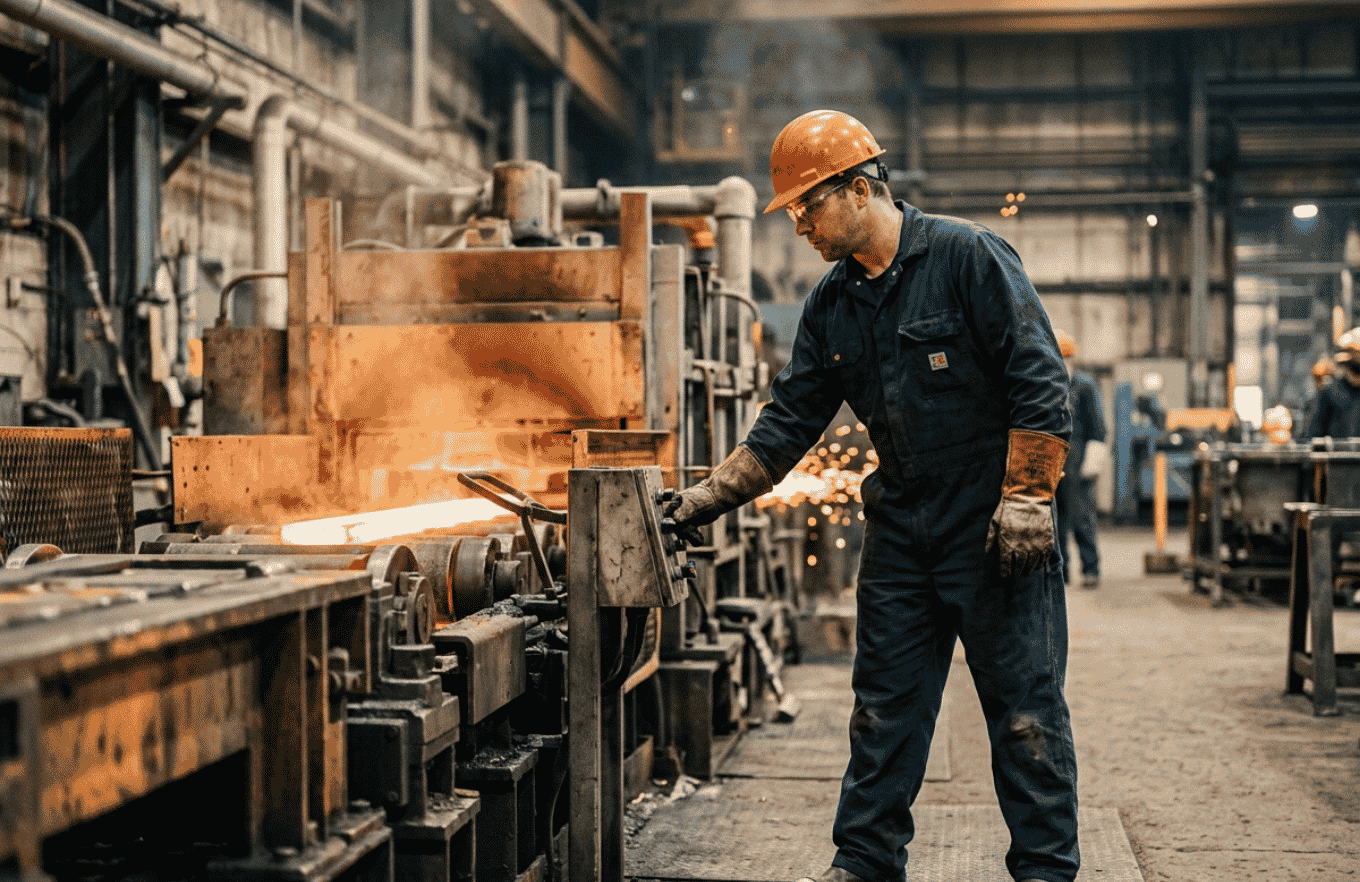
A reliable manufacturer studies industry-specific risks before designing garments. For example, construction workers need abrasion resistance, while chemical plant employees require protective coatings.
Proper design helps reduce:
● Cuts and abrasions
● Thermal burns
● Chemical exposure risks
Many global safety benchmarks, including practices followed by Samad Group, highlight the importance of hazard-specific design in reducing workplace injuries.
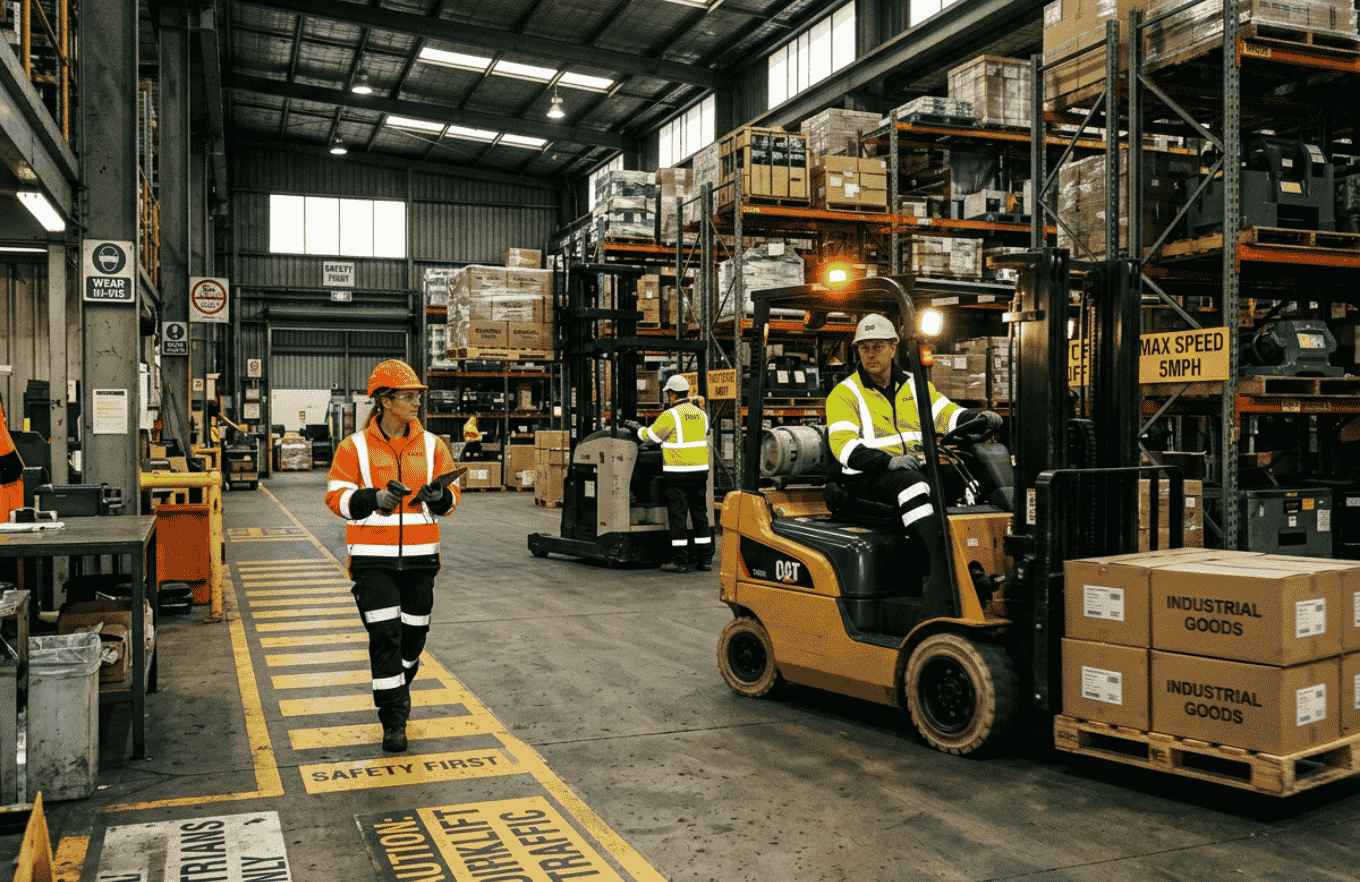
Low visibility is a major cause of workplace accidents, especially in traffic zones, warehouses, and night shifts. High-visibility clothing significantly reduces collision risks.
High-Visibility Workwear in Pakistan has become increasingly important due to expanding infrastructure and industrial projects.
Reflective materials and bright color fabrics help ensure:
● Workers are easily seen in low light
● Vehicle operators can identify personnel quickly
● Reduced chances of impact-related injuries
A certified industrial workwear manufacturer ensures garments meet international safety regulations. This includes fabric testing, durability checks, and hazard resistance certification.
Compliance ensures:
● Reduced liability for employers
● Standardized safety performance
● Better insurance claim outcomes
Organizations aligned with structured safety systems, such as those used by Samad Group of Industries, consistently demonstrate lower workplace injury rates.
Injury risks are not only external but also physical strain caused by poorly fitting clothing. Tight or heavy uniforms can restrict movement and increase fatigue.
Modern workwear design focuses on:
● Flexible fabric zones
● Breathable materials
● Lightweight construction
Improved comfort reduces accidents caused by restricted movement or worker fatigue.
Insurance companies closely monitor workplace injury trends. Poor-quality protective clothing often leads to higher claim frequency and increased premiums.
A reliable industrial workwear supplier helps organizations reduce this risk by improving overall safety compliance.
Over time, businesses benefit from:
● Lower insurance costs
● Fewer compensation claims
● Improved workforce productivity
In competitive industries, even small reductions in injury claims translate into significant financial savings.
Modern industrial environments require multi-functional safety apparel. Combining visibility, durability, and protection is now a standard expectation.
High-performance High-Visibility Workwear in Pakistan is increasingly integrated with additional protective features such as:
● Flame resistance
● Water resistance
● Anti-static properties
This integration ensures workers remain safe across multiple risk conditions without needing multiple layers of clothing.
An industrial workwear manufacturer does more than supply garments; it contributes to building a workplace safety culture. When employees are provided with proper gear, they are more likely to follow safety protocols.
This cultural shift leads to:
● Higher safety awareness
● Better compliance with safety rules
● Reduced accident frequency
Organizations working with structured safety-focused suppliers, including Samad Group, often see long-term improvements in workplace discipline.
Investing in high-quality workwear is not just about compliance; it is a strategic business decision.
Benefits include:
● Reduced operational downtime due to fewer injuries
● Improved employee morale and retention
● Stronger brand reputation in industrial sectors
A trusted industrial workwear manufacturer ensures these benefits are sustained over time through consistent product quality and innovation.
Contact our safety apparel experts today to explore durable industrial workwear solutions designed to reduce injuries, improve compliance, and enhance workforce protection across all industrial environments effectively.
An industrial workwear manufacturer plays a direct role in reducing workplace injury claims by designing safer, more durable, and compliant protective clothing. From high-visibility gear to ergonomic design, every detail contributes to lowering risks.
When organizations invest in quality workwear, they are not just purchasing uniforms; they are actively investing in safety, productivity, and long-term cost reduction. Strong partnerships with reliable suppliers ensure safer workplaces and more stable operational performance.
They design protective clothing that minimizes exposure to hazards like heat, chemicals, and mechanical risks.
It improves worker visibility in low-light or high-traffic areas, reducing collision-related accidents.
Yes, better protective clothing reduces injury frequency, which can lower insurance claims and costs.