
September 21, 2026
Industrial adhesive technology is moving into an exciting new phase as manufacturers demand stronger bonds, faster production, cleaner processes, and greater material efficiency. An Industrial Adhesive Manufacturer now has to think beyond basic bonding performance and respond to changing production requirements across furniture, packaging, automotive, construction, and other industries. At the same time, businesses are paying closer attention to energy use, material compatibility, workplace safety, and environmental impact. These shifts are creating new opportunities for adhesive producers that can combine performance with practical innovation.
In this blog, we explore the major trends expected to influence industrial adhesives through 2030 and what businesses should consider when selecting future-ready bonding solutions.
Modern manufacturing increasingly depends on bonding technologies that can replace or reduce mechanical fastening. Adhesives can create smooth surfaces, distribute stress across joined areas, and work with different combinations of materials.
Moreover, production lines are becoming faster. Manufacturers need bonding systems that support shorter processing times without sacrificing strength. This is pushing the Industrial Adhesive Manufacturer toward formulations that deliver consistent results under demanding production conditions.
Adhesive applications are expanding across furniture, packaging, automotive components, footwear, electronics, insulation, and construction materials. Each sector has different requirements, which means manufacturers are developing more specialized solutions instead of relying on one adhesive for every application.
For furniture businesses, for example, a reliable Furniture Adhesive Supplier in Pakistan can help manufacturers select bonding solutions according to substrates, finishing requirements, and production conditions.
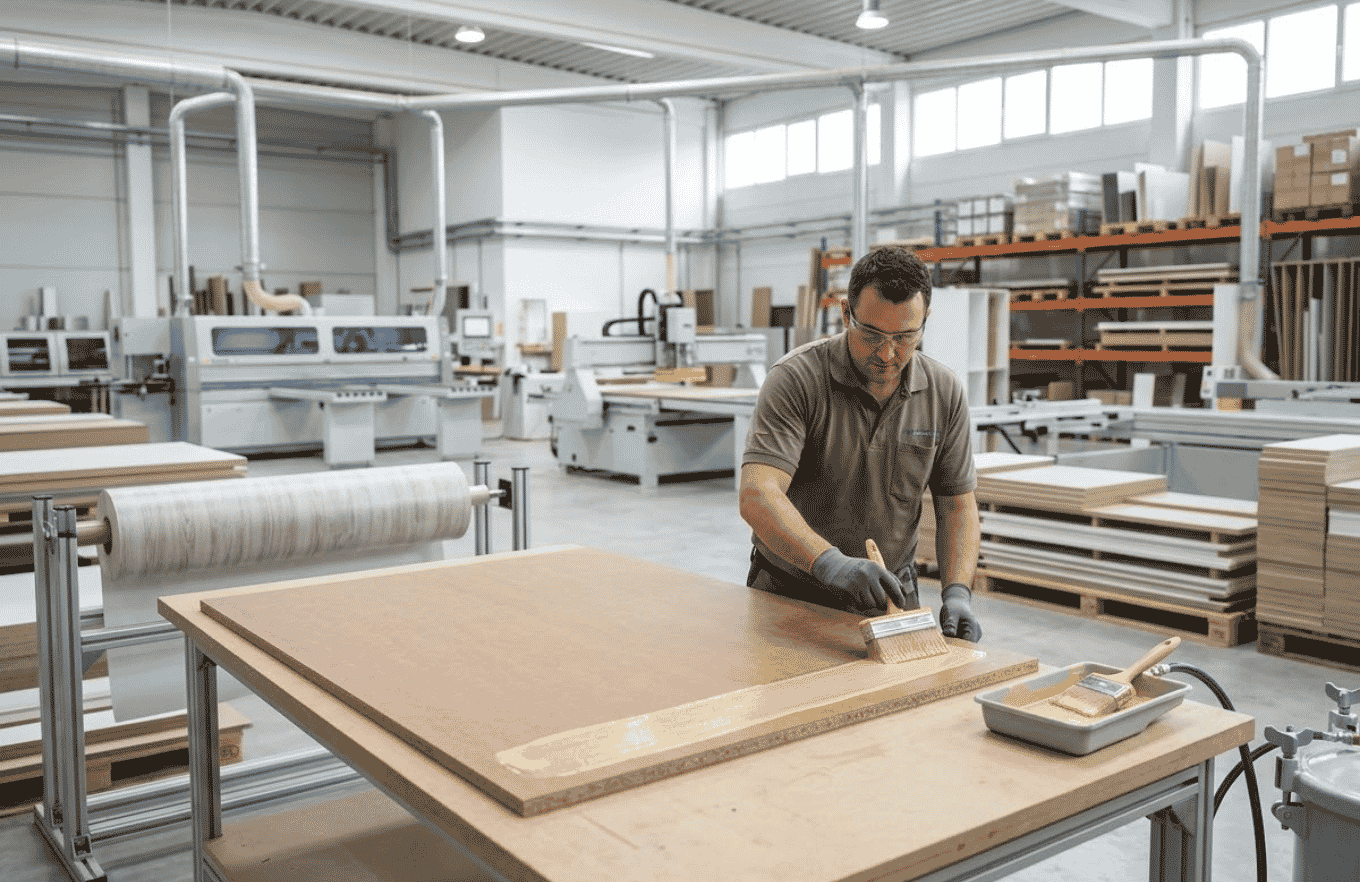
Sustainability is becoming a practical manufacturing requirement rather than simply a marketing message. Businesses are looking for formulations that can support efficient production while reducing unnecessary material use and processing waste.
Furthermore, future adhesive development is likely to focus on lower-emission formulations, improved resource efficiency, and better compatibility with recyclable or lightweight materials. This creates an important role for Samad Group of Industries in supporting industries seeking more responsible bonding solutions.
The challenge is finding the right balance. Adhesives must remain strong, durable, and easy to process while meeting evolving environmental expectations. This means future formulations will need to deliver performance improvements without creating additional production complications.
For manufacturers, sustainability should therefore be evaluated alongside bond strength, curing behavior, application method, and long-term durability.
Production efficiency will remain a major priority through 2030. Businesses want adhesives that can integrate smoothly into automated manufacturing environments and reduce waiting time between application and assembly.
An Industrial Adhesive Manufacturer that invests in faster-setting technologies, consistent viscosity, and controlled application systems can help manufacturers reduce bottlenecks. Most importantly, predictable performance can make production planning easier and reduce costly rework.
Automation is also changing how adhesives are applied. Metering equipment, robotic dispensing, and controlled application systems can improve consistency while minimizing excess adhesive.
This development will encourage closer cooperation between adhesive producers and manufacturers. Instead of simply supplying a product, future suppliers may increasingly help businesses match adhesive characteristics with specific production equipment and materials.
Choosing adhesives based only on price may create unnecessary costs later. Businesses should consider performance, application efficiency, substrate compatibility, technical support, and consistency when evaluating suppliers.
A strong Furniture Adhesive Supplier in Pakistan should understand how different furniture materials respond to bonding conditions and recommend solutions suited to the intended application.
Similarly, Samad Group of Industries represents the type of industry-focused approach needed as adhesive requirements become more specialized.
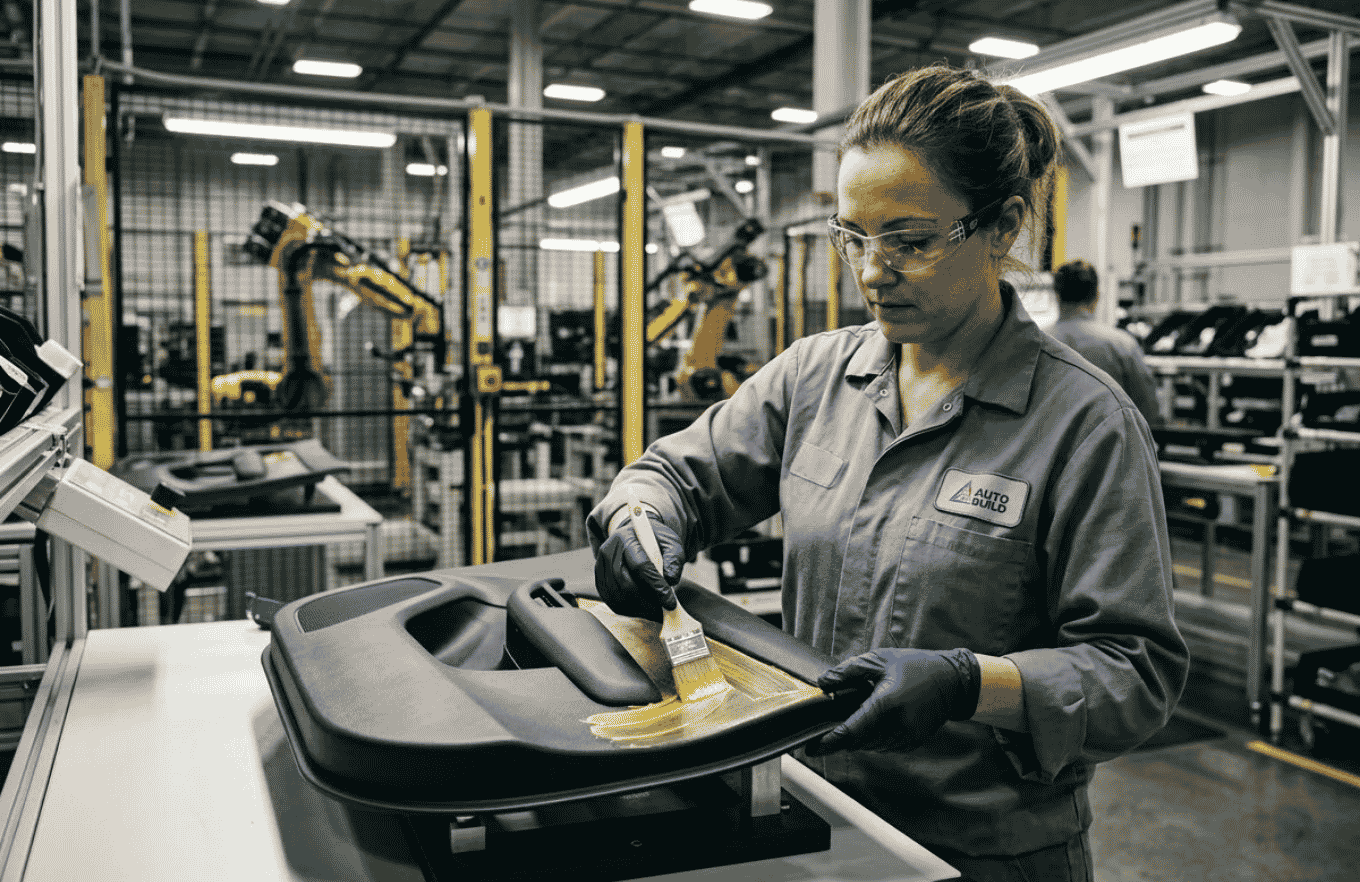
Adhesive quality can influence product durability, production efficiency, appearance, and customer satisfaction. As manufacturing becomes more competitive, even small improvements in bonding performance can contribute to better overall results.
Therefore, the Industrial Adhesive Manufacturer of the future will not simply compete through product availability. Technical knowledge, formulation development, application support, consistency, and sustainability will increasingly shape purchasing decisions.
The outlook through 2030 points toward smarter, cleaner, faster, and more specialized adhesive technologies. Manufacturers that understand these changes early can make better decisions about materials and production processes. With evolving customer expectations and manufacturing demands, Samad Group can help businesses evaluate practical adhesive solutions aligned with modern production needs.
Contact Samad Group today for practical adhesive solutions designed to improve bonding performance, production efficiency, and long-term product quality.
Sustainability, automation, faster production cycles, material compatibility, and demand for higher-performance bonding solutions are expected to influence future development.
Manufacturers should evaluate substrate type, required bond strength, curing time, application method, operating conditions, production speed, and durability requirements.
Sustainable adhesive development can support resource efficiency, reduce unnecessary production impacts, and improve compatibility with changing manufacturing and material-recovery practices.