
October 1, 2026
Choosing the right Industrial Workwear Supplier can make a noticeable difference in how a company's workforce looks, moves, and performs every day. Industrial clothing needs to balance comfort, durability, practicality, and professional presentation, but standard garments do not always meet the requirements of every workplace. Different industries, departments, and job roles often demand different designs, fabrics, fits, and functional details. A supplier with strong customization capabilities can help businesses develop workwear around these specific requirements instead of relying on one-size-fits-all solutions. From factory floors and warehouses to outdoor operations, thoughtful garment design can address real workplace challenges while creating a consistent professional appearance.
In this blog, we examine the key customization capabilities businesses should consider when developing a practical and effective workwear program.
Industrial workplaces rarely have identical clothing requirements. A warehouse employee may need flexible garments with accessible pockets, while an outdoor worker may require clothing designed for changing weather conditions.
This is where Custom Workwear Uniforms become valuable. Businesses can tailor garments around specific job functions, workplace environments, and employee requirements rather than depending on generic designs.
Customization may involve:
● Fabric selection and weight
● Garment colors
● Pocket placement
● Collar and cuff designs
● Closures and fasteners
● Size ranges
● Company branding
● Seasonal clothing requirements
Moreover, customized designs can create consistency across different departments while allowing each team to have clothing suited to its particular responsibilities.
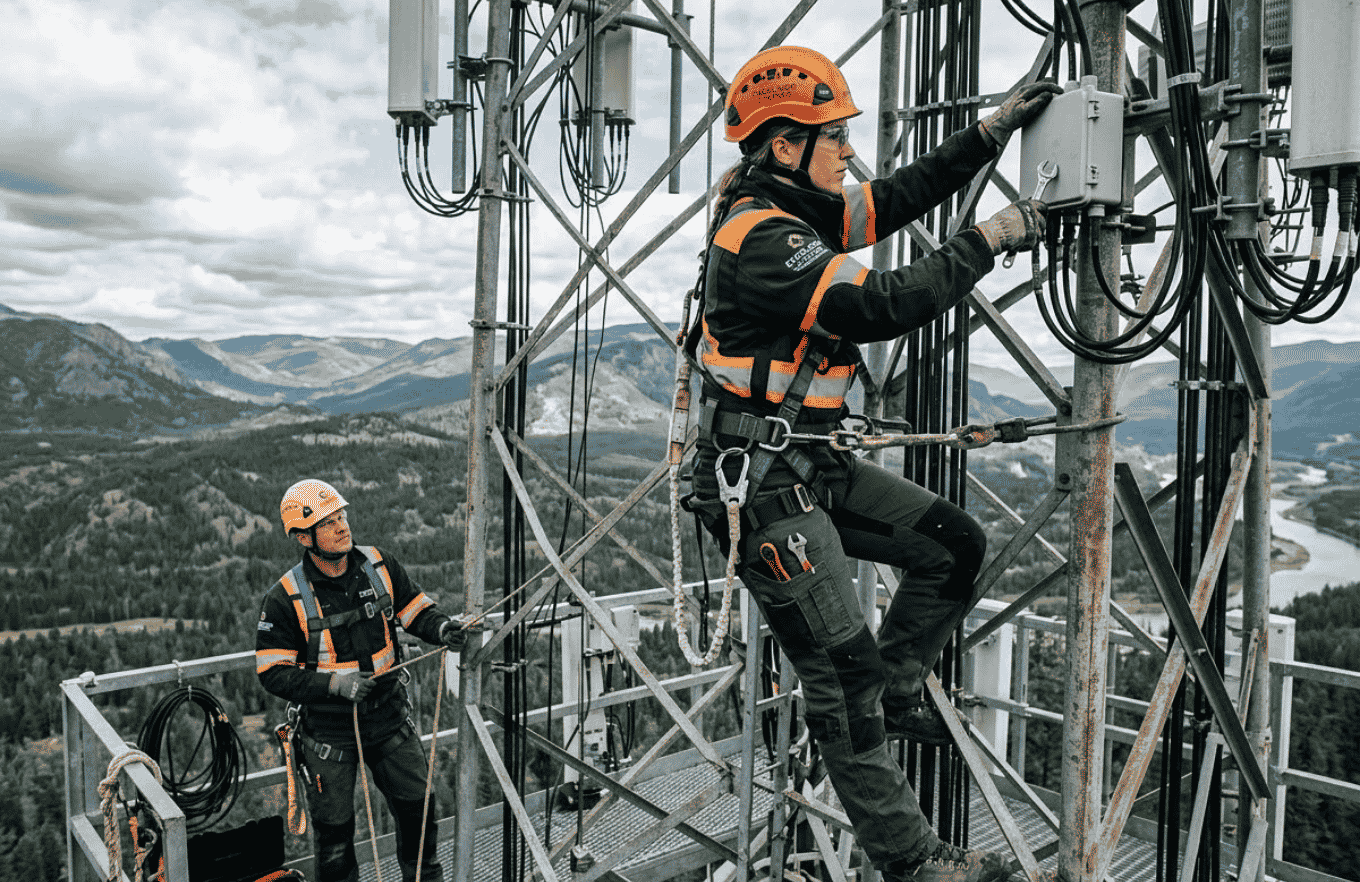
Fabric selection has a direct impact on how workwear performs throughout its service life. Employees may wear uniforms for extended periods, wash them frequently, and work in environments involving movement, friction, dust, or changing temperatures.
A supplier can help businesses select suitable materials according to these conditions. Lightweight and breathable fabrics may work well for warmer environments, while heavier constructions can provide additional comfort in cooler conditions.
Durability is equally important. Garments that maintain their structure, stitching, and appearance through repeated use can provide stronger long-term value.
Effective customization begins with understanding how employees actually work.
Workers who regularly carry equipment may benefit from strategically positioned pockets. Employees who bend, stretch, or move frequently may require designs that allow greater freedom of movement. Teams working around machinery may need carefully considered closures and garment construction.
With Custom Workwear Uniforms, these requirements can be considered before production rather than addressed after unsuitable garments have already been purchased.
Most importantly, every customization should serve a practical purpose. A pocket, closure, fabric choice, or design feature should contribute to comfort, accessibility, usability, or workplace presentation.
Sizing becomes particularly important when uniforms are ordered for large workforces. Employees naturally have different body shapes and fitting requirements, so one standard cut may not work equally well for everyone.
A capable supplier can establish clear measurement specifications and size ranges before production begins. This helps businesses maintain greater consistency across initial orders and future replacements.
A structured sizing system can also make repeat purchasing easier. Once garment measurements and specifications have been established, businesses can reorder uniforms without starting the development process from the beginning.
Workwear is highly visible, making it an important part of a company's professional identity. Consistent colors, logos, embroidery, labels, and design elements can help employees appear organized and recognizable.
Custom Workwear Uniforms provide greater control over how these branding elements are incorporated. Logos can be positioned according to the garment design, while colors and other visual details can follow established brand guidelines.
Samad Group of Industries supports apparel manufacturing requirements where garment design and production need to work together. This can help businesses maintain a coordinated appearance across different clothing categories.
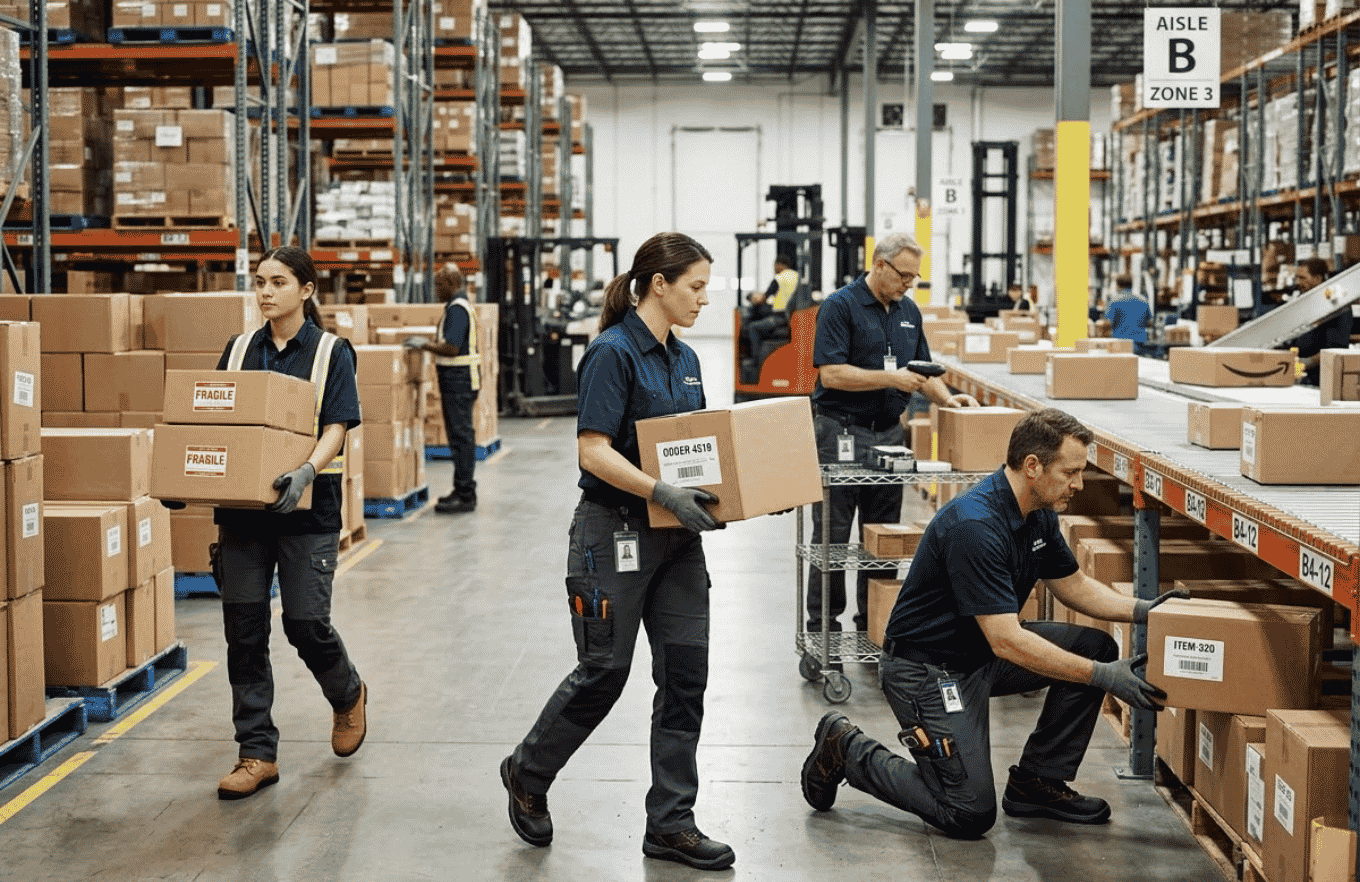
Sustainability is increasingly becoming part of business clothing decisions. Companies are looking beyond the initial cost and considering durability, garment lifespan, material selection, and replacement frequency.
Working with a Sustainable Workwear Manufacturer in Pakistan can help businesses consider these factors during the development stage.
For example, garments designed for repeated washing and regular industrial use may remain functional for longer. Longer-lasting clothing can potentially reduce the frequency of replacement while helping businesses manage uniform budgets more effectively.
Furthermore, maintaining standardized garment specifications for future orders can reduce unnecessary redesigning and sampling.
Workwear requirements can change with the seasons. Lightweight garments may be appropriate during warmer months, while additional layers and heavier clothing may be needed during colder weather.
A supplier with broader apparel capabilities can coordinate seasonal clothing with existing uniform designs. This helps employees maintain a consistent professional appearance throughout the year.
Samad Group of Industries can support apparel requirements where businesses need coordinated garment solutions rather than disconnected clothing purchases. This approach allows companies to treat seasonal clothing as part of a broader workwear strategy.
Selecting a supplier should involve more than comparing prices. Businesses should evaluate the supplier's ability to understand specifications, maintain production consistency, manage sizing, support branding, and handle repeat orders.
It is also useful to consider flexibility. Workforce expansion, new departments, seasonal requirements, or updated branding may require modifications to existing garments.
A Sustainable Workwear Manufacturer in Pakistan that can accommodate evolving requirements may offer greater value for businesses planning long-term uniform programs.
Customization gives businesses greater control over how employees look, move, and perform throughout the working day. From fabric selection and sizing to branding, functionality, and sustainability, each element can be developed around genuine workplace requirements.
Custom Workwear Uniforms can therefore provide much more than a consistent appearance. They can support employee comfort, practical performance, professional presentation, and more organized uniform management.
For businesses looking at long-term workwear planning, partnering with a supplier capable of managing different garment requirements can make the entire process more streamlined. Samad Group combines apparel manufacturing capabilities with customized garment solutions to support varied business requirements.
Contact Samad Group today to discuss custom workwear solutions designed around your workforce, branding, comfort, quality, and operational requirements.
An Industrial Workwear Supplier can customize fabrics, colors, sizing, branding, pockets, closures, garment construction, and other design elements according to workplace requirements.
Custom Workwear Uniforms allow businesses to match clothing with specific job functions, workplace conditions, branding requirements, employee sizing, and seasonal needs.
A Sustainable Workwear Manufacturer in Pakistan can help businesses consider durable materials, longer garment life, and responsible production approaches when developing industrial uniforms.