
September 17, 2026
Choosing the right material can make a major difference in product performance, production efficiency, and customer satisfaction. EVA Foam is widely used across fitness products, footwear, protective equipment, packaging, and other applications because it can provide a useful balance of cushioning, flexibility, and durability. However, not every foam specification is suitable for every product. Density, thickness, hardness, cell structure, and compression behavior can all affect the finished result.
Therefore, manufacturers need a clear selection process rather than choosing material based only on appearance or price. In this blog, we explain the key factors manufacturers should evaluate before sourcing EVA Foam and how a structured checklist can reduce material-related problems.
The first step is to define exactly what the finished product needs to do. A yoga mat, shoe component, protective pad, packaging insert, and fitness accessory can require very different foam characteristics.
For example, products designed for repeated impact may need strong cushioning and recovery properties, while a lightweight packaging component may prioritize low weight and cost efficiency. Understanding the application's physical demands helps manufacturers narrow down suitable specifications before requesting samples.
For products that come into direct contact with users, comfort matters just as much as structural performance. Foam that feels too firm may reduce comfort, while material that compresses excessively may lose its usefulness during repeated use.
Manufacturers should therefore assess softness, flexibility, resilience, and surface feel together rather than judging one property independently.
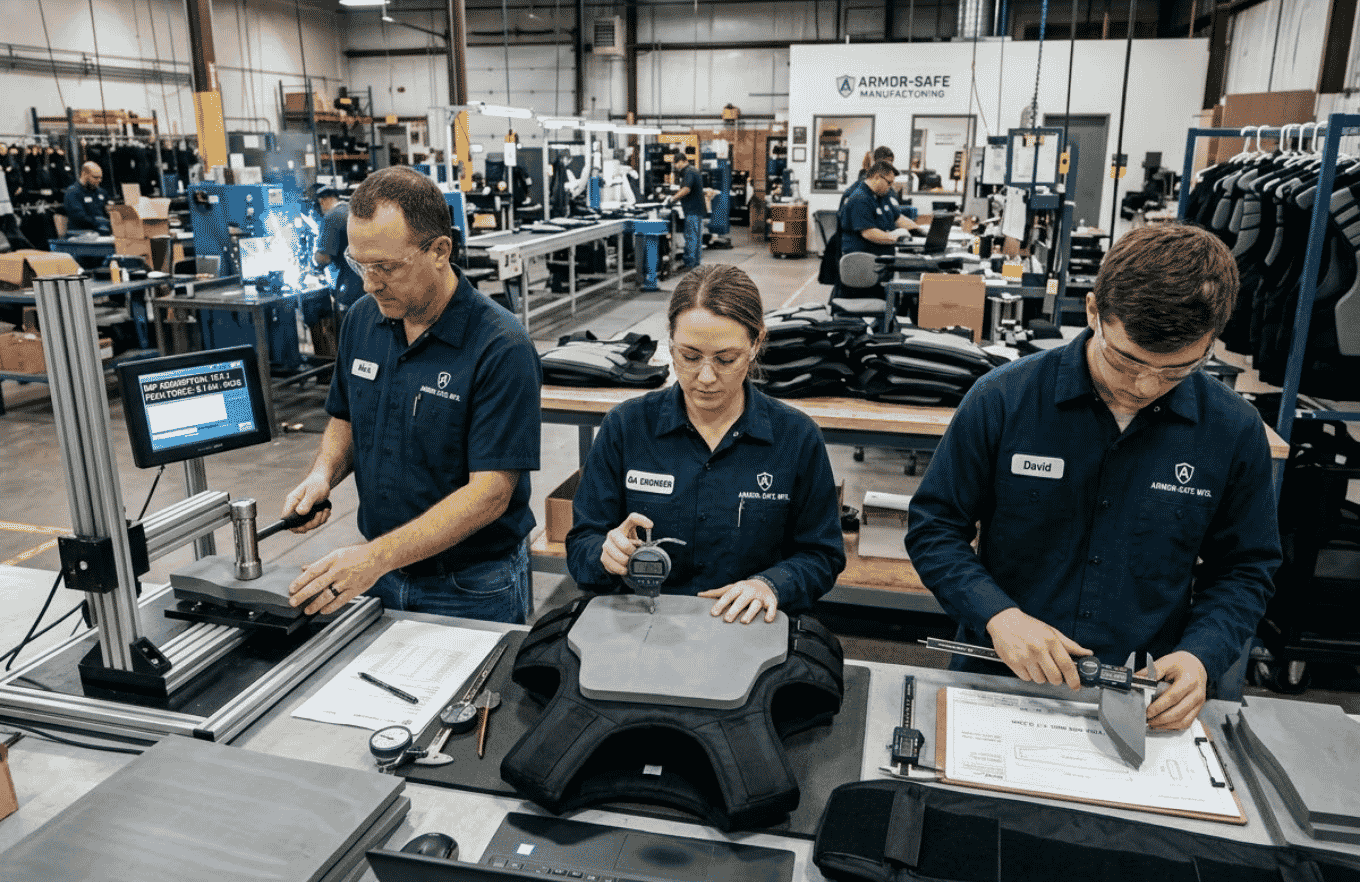
Density is one of the most important specifications when selecting foam. It can influence weight, firmness, cushioning behavior, and overall material performance.
Thickness should also be selected according to the product's intended function. A thicker sheet does not automatically mean better performance. In some applications, excessive thickness can increase weight, affect processing, or change the final product's dimensions.
Manufacturers should request clear technical specifications and compare samples under the same conditions. This creates a more reliable basis for purchasing decisions.
Many foam products are compressed during use, storage, transportation, or assembly. If the material does not recover effectively, the finished product may gradually lose its original shape.
This is particularly important for fitness products and cushioning applications. Testing how the material responds after repeated compression can provide more useful information than a simple visual inspection.
Sample testing should be part of every serious sourcing process. Manufacturers can evaluate flexibility, compression response, thickness consistency, surface quality, and cutting behavior before committing to larger quantities.
Moreover, testing samples against the actual production requirements can expose problems early, when changes are still easier and less expensive to make.
The selected foam should work with the manufacturer's existing production methods. Cutting, laminating, bonding, molding, printing, and other processes can place different demands on the material.
Manufacturers should discuss processing requirements with suppliers before finalizing specifications. This can help prevent issues such as uneven cutting, poor bonding, dimensional variation, or unnecessary material waste.
Samad Group of Industries works across foam applications where material selection needs to align with practical manufacturing requirements. The right specification can support smoother production while helping manufacturers maintain consistency between batches.
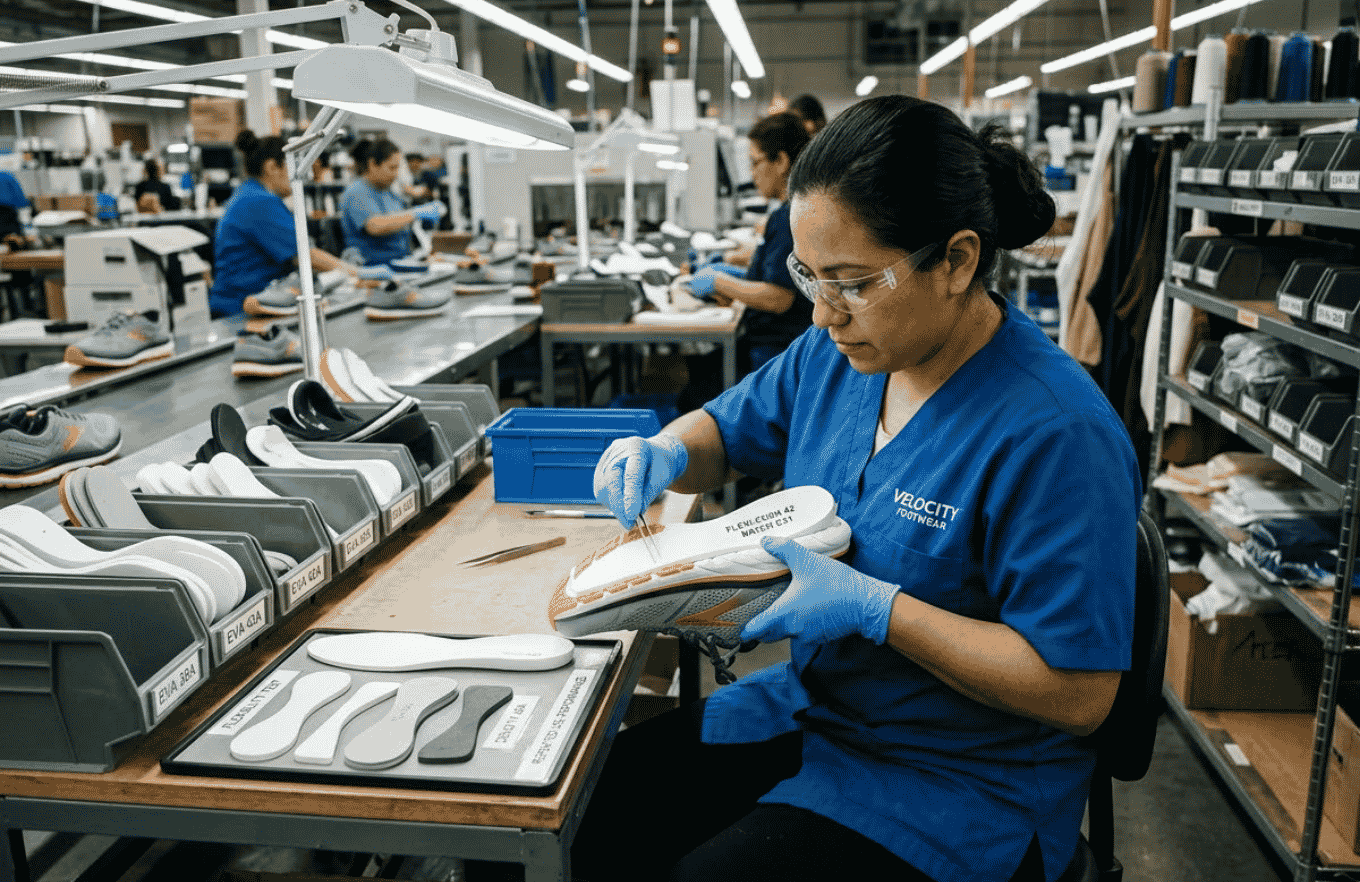
A material that performs well in one sample may still create problems if subsequent batches vary significantly. Consistency should therefore be treated as a purchasing priority.
Manufacturers should establish agreed specifications for density, thickness, dimensions, and other relevant characteristics. Incoming material can then be checked against those requirements before it enters production.
Samad Group emphasizes the importance of maintaining predictable material characteristics because consistency directly affects manufacturing outcomes and product quality.
A Yoga Mat Manufacturer needs foam that balances comfort, flexibility, grip-related design requirements, and dimensional stability. The material should also be suitable for the intended thickness and production process.
For this reason, a Yoga Mat Manufacturer should not select foam solely by comparing prices per sheet or roll. Material performance, production yield, surface requirements, and customer expectations should all form part of the evaluation.
A suitable foam specification can help manufacturers produce mats that maintain their intended shape and feel during regular use.
Price is important, but it should not be the only purchasing factor. A low-cost material that generates higher waste, inconsistent production, or frequent quality complaints can become more expensive over time.
Manufacturers should consider technical communication, sample availability, specification clarity, production capacity, and consistency when comparing suppliers.
A supplier should be able to provide relevant information about the material being offered. Manufacturers can ask about density, thickness tolerance, available sizes, physical characteristics, and recommended applications.
The Samad Group of Industries name can be considered within a broader sourcing evaluation where manufacturers are comparing material options and supplier capabilities.
Before placing a bulk order, manufacturers should review the complete specification rather than relying on one performance characteristic. The checklist should cover application requirements, density, thickness, flexibility, compression behavior, dimensional consistency, processing compatibility, sample performance, and batch consistency.
This approach makes purchasing more systematic and reduces the chance of selecting material that looks suitable but performs poorly during production.
For manufacturers working with foam regularly, documenting approved specifications can also simplify future purchasing. Instead of evaluating every order from scratch, production teams can compare incoming material against established requirements.
Selecting suitable EVA Foam is not simply a material purchasing decision. It can influence production efficiency, product durability, customer experience, and overall manufacturing costs.
A carefully selected specification can reduce avoidable waste and make production more predictable. Furthermore, manufacturers can use performance testing and supplier communication to refine their material choices as product requirements change.
Samad Group can support manufacturers looking to evaluate foam options according to specific application and production requirements. Most importantly, the final selection should always be based on measurable needs rather than assumptions.
The right EVA Foam starts with understanding the product, defining technical requirements, testing samples, and checking consistency before committing to bulk production. Density, thickness, flexibility, compression recovery, processing compatibility, and supplier support all deserve attention. A Yoga Mat Manufacturer or any other foam-based product producer can make better sourcing decisions by following a structured evaluation process.
Contact Samad Group today to discuss EVA Foam specifications, samples, and material solutions tailored to your manufacturing requirements and applications.
There is no single ideal density because the correct specification depends on the product, required cushioning, firmness, weight, and manufacturing process.
A Yoga Mat Manufacturer should evaluate thickness, density, flexibility, compression recovery, dimensional stability, surface requirements, and production compatibility before ordering.
Sample testing helps manufacturers identify performance or processing issues before placing bulk orders, reducing the risk of waste, inconsistent production, and unsuitable material.