
October 1, 2026
Sustainable apparel is reshaping how fashion businesses approach materials, manufacturing, and long-term growth. However, moving from small sustainable collections to large-scale production can create serious challenges. Rising material costs, limited sourcing options, production consistency, and supply chain complexity can make expansion difficult. Businesses must also maintain quality while meeting growing customer expectations around environmental and social responsibility. For Apparel Manufacturers in Pakistan, scaling responsibly requires careful planning rather than simply increasing production volumes. Furthermore, sustainability needs to remain part of every operational decision, from fabric selection to packaging. In this blog, we explore the biggest challenges of scaling sustainable apparel and practical ways businesses can overcome them without losing efficiency, quality, or their environmental commitments.
Growth sounds straightforward until production requirements increase. A brand producing a few thousand garments may easily manage recycled fabrics, responsible suppliers, and quality checks. However, larger orders demand greater quantities of consistent materials and more complex production coordination.
The challenge becomes even greater when sustainable materials have limited availability. Organic fibers, recycled fabrics, and responsibly sourced materials may require specialized suppliers. Moreover, sudden increases in demand can create pressure to choose conventional alternatives simply to meet deadlines.
For this reason, sustainable apparel requires a scalable sourcing strategy that considers both present demand and future production requirements.
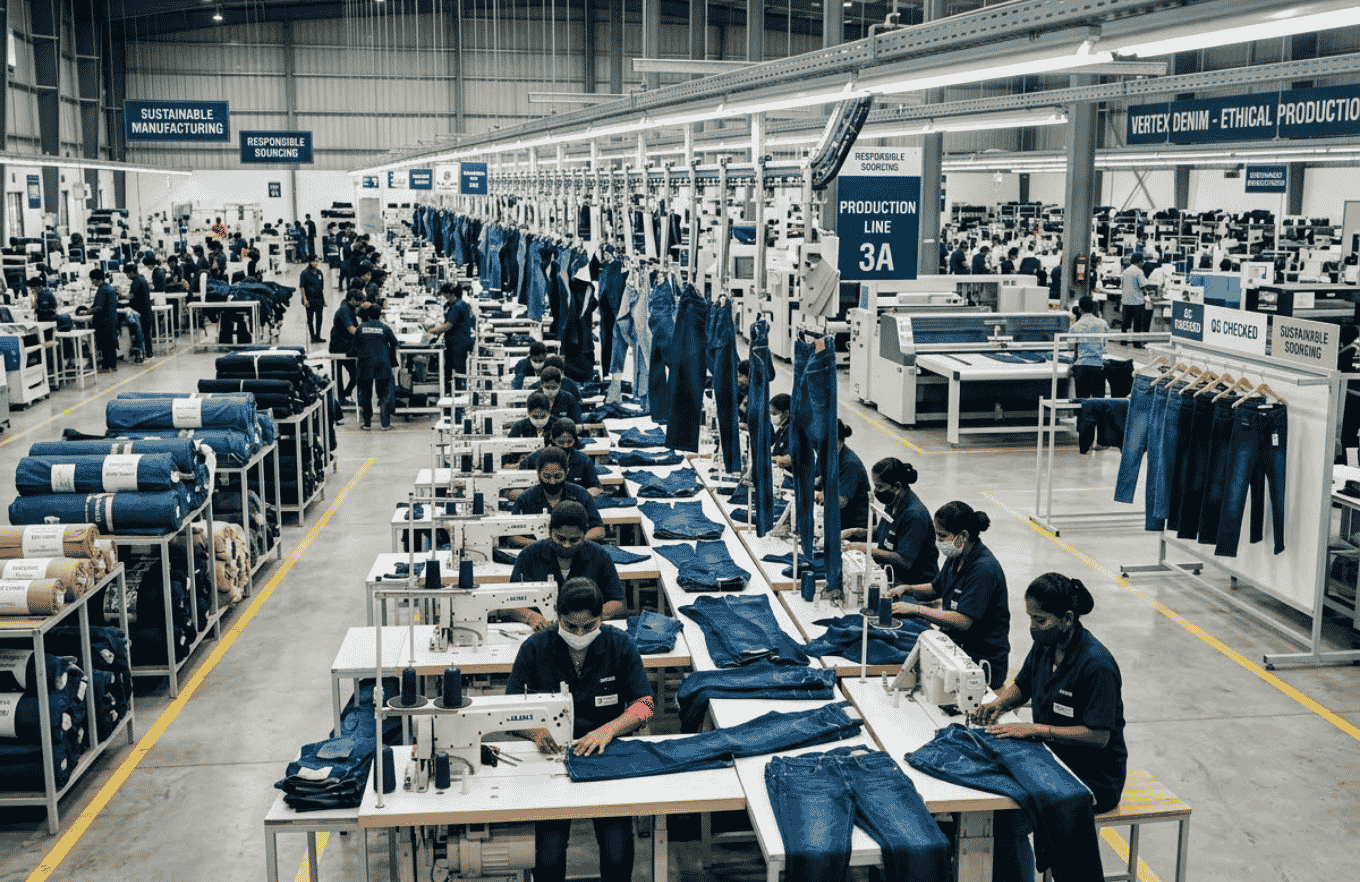
Material shortages can disrupt production schedules and increase costs. One practical solution is to develop long-term relationships with suppliers who can consistently provide sustainable fabrics.
Apparel Manufacturers in Pakistan can benefit from establishing clear specifications for fabric composition, quality, certifications, and delivery schedules. Furthermore, maintaining multiple approved suppliers can reduce dependence on a single source.
Samad Group focuses on structured production planning that can help businesses approach larger apparel requirements with greater consistency.
One common misconception is that sustainability always means significantly higher production costs. In reality, better planning can reduce unnecessary expenses.
Businesses can control costs by optimizing fabric consumption, reducing cutting waste, improving production efficiency, and selecting materials based on both performance and lifecycle value. Most importantly, sustainable apparel should be evaluated through its total production impact rather than material price alone.
Efficient manufacturing can also reduce energy consumption, rework, and reject garments. These improvements can make sustainable production more commercially practical as order volumes grow.
Scaling production creates another challenge: consistency.
A fabric that performs well in a small batch must deliver the same appearance, durability, and comfort across thousands of garments. Therefore, quality control needs to become more structured as production increases.
Regular fabric inspections, sample approvals, stitching checks, dimensional testing, and final garment inspections can help maintain standards. Samad Group of Industries recognizes the importance of consistent production processes when apparel requirements become more demanding.
Waste becomes more expensive when production scales. Excess fabric, defective garments, inefficient cutting, and unnecessary packaging can quickly increase operational costs.
A stronger production system can address these issues through accurate forecasting and digital planning. Businesses can analyze previous orders to estimate material requirements more accurately and minimize excess inventory.
Additionally, leftover fabric can sometimes be redirected toward accessories, smaller products, or future collections. This approach supports sustainable apparel goals while creating greater value from purchased materials.
Sustainability should not be treated as a temporary marketing concept. It needs to become part of the company's production culture.
This includes responsible sourcing, efficient resource use, ethical manufacturing practices, waste management, and transparent supplier relationships. Apparel Manufacturers in Pakistan that integrate these areas into everyday operations can create stronger foundations for sustainable growth.
Samad Group of Industries supports the broader idea that responsible manufacturing and commercial efficiency can work together rather than compete with each other.
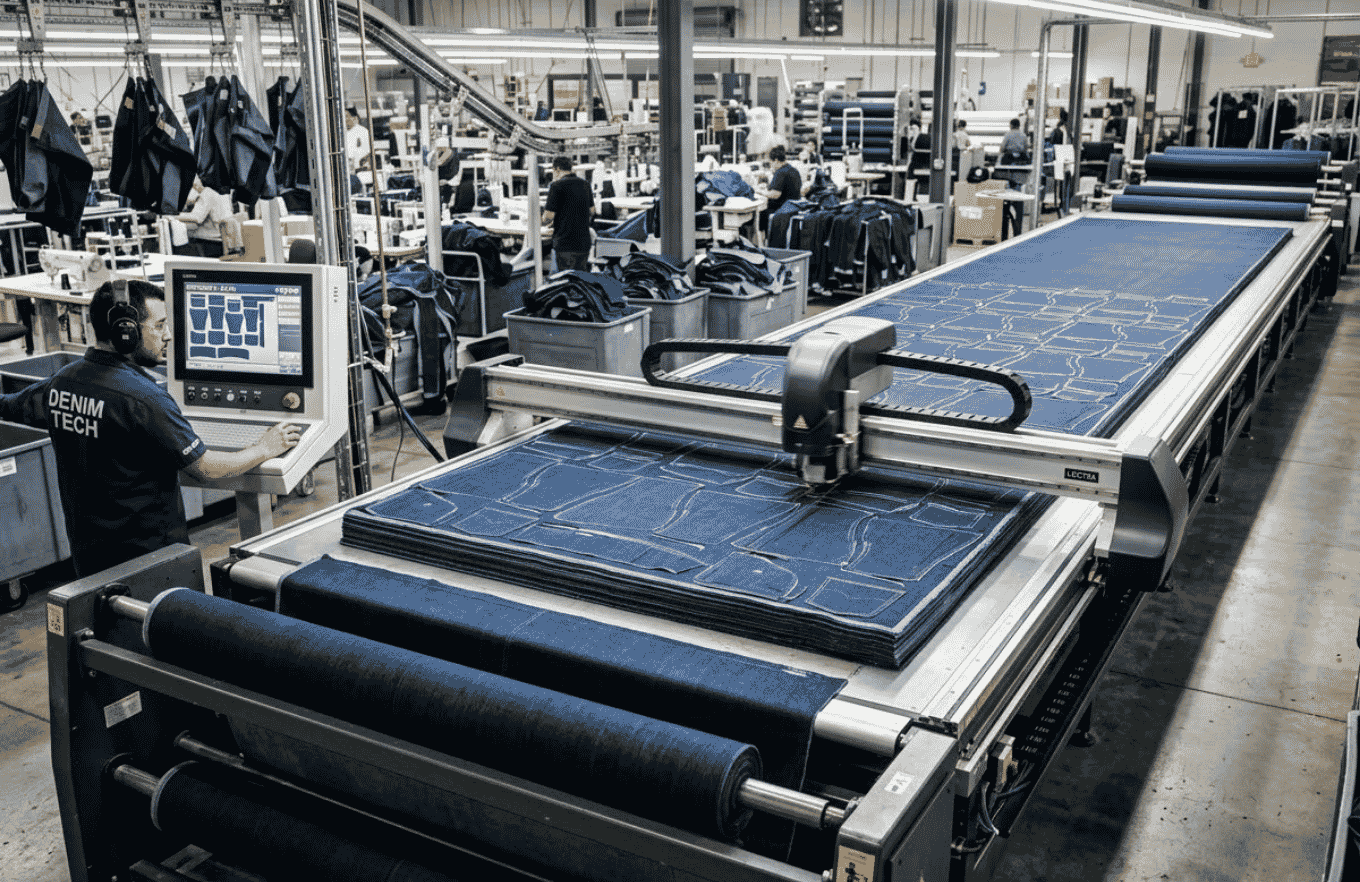
Technology can make sustainable apparel production easier to manage at scale. Digital inventory systems, automated cutting solutions, production tracking, and data-based forecasting can improve accuracy while reducing waste.
Furthermore, production data can reveal where delays, material losses, or quality problems occur. Businesses can then make targeted improvements instead of increasing resources blindly.
Scaling sustainable apparel is challenging, but the obstacles are manageable with strategic planning. Strong supplier relationships, efficient material usage, consistent quality control, responsible sourcing, and technology can create a more resilient production model.
Most importantly, businesses should scale sustainability alongside production rather than trying to introduce responsible practices after expansion. This creates a stronger foundation for long-term competitiveness.
The future of sustainable apparel depends on making responsible production commercially scalable. By controlling waste, strengthening supply networks, improving efficiency, and maintaining quality standards, growing fashion businesses can overcome common expansion challenges. Samad Group can support businesses seeking practical approaches to responsible apparel production and consistent manufacturing performance.
Connect with Samad Group today for smarter sustainable apparel manufacturing solutions designed to support your growing production needs efficiently.
The biggest challenges include sustainable material availability, higher sourcing complexity, production consistency, waste management, cost control, and maintaining responsible manufacturing standards.
They can scale by strengthening supplier networks, improving production planning, reducing material waste, adopting efficient technologies, and maintaining structured quality control throughout production.
Yes. Better forecasting, efficient cutting, waste reduction, durable materials, and streamlined production processes can help businesses control costs while maintaining sustainable apparel standards.