
January 23, 2026
EVA Foam has become a preferred material choice across multiple industries due to its balance of comfort, resilience, and adaptability. In recent years, manufacturers have moved away from conventional foam materials because performance demands have increased. Products are expected to last longer, perform better, and remain consistent under pressure. This is where EVA Foam clearly separates itself.
Within the first stages of evaluation, EVA Foam shows superior structural stability, improved cushioning, and better resistance to wear. Unlike older foam options that compress or degrade over time, this material maintains its integrity. As industries push for lighter, stronger, and more reliable materials, EVA Foam continues to prove why it has become a modern standard rather than an alternative.
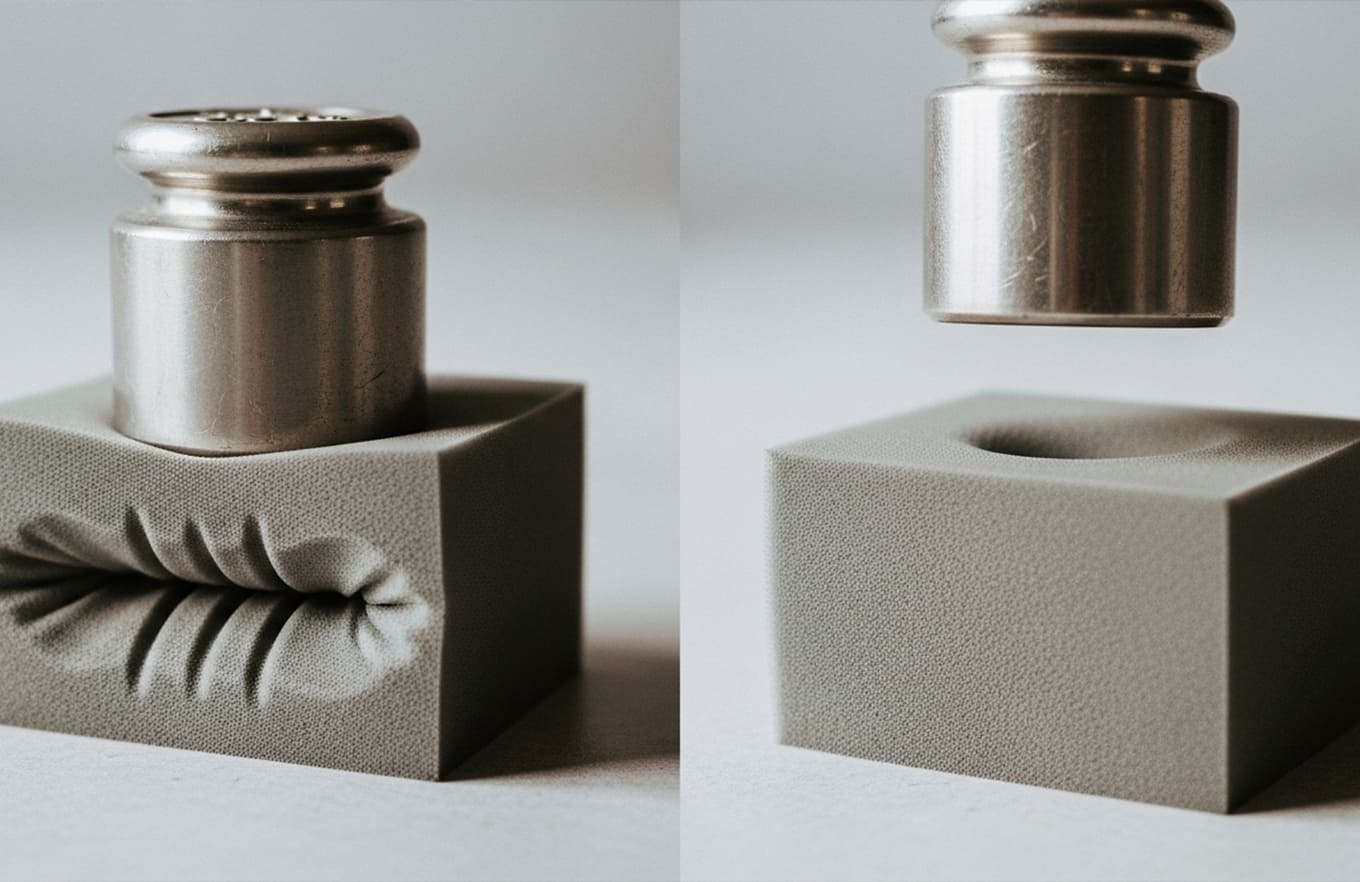
Traditional foam materials were designed for basic insulation and cushioning needs. They often served a single purpose and struggled when exposed to repeated stress, moisture, or temperature variations. Over time, these limitations became costly for manufacturers relying on consistent material performance.
EVA Foam, by contrast, is engineered for versatility. Its molecular structure allows for controlled elasticity without permanent deformation. This means the foam returns to its original shape even after repeated compression. Manufacturers working with Samad Group have increasingly adopted EVA Foam because this structural advantage translates into longer product life cycles and reduced material waste.
One of the most important differences lies in how EVA Foam handles pressure. Traditional materials often collapse or harden unevenly. EVA Foam distributes impact more evenly, which is critical for products requiring long-term comfort or shock absorption. This consistency gives manufacturers confidence when scaling production for demanding environments.
When evaluating materials, performance in real usage matters more than laboratory results. EVA Foam performs reliably across industries that demand durability, including sports equipment, protective gear, and lifestyle products. Its closed structure resists moisture penetration while maintaining flexibility.
Closed-cell foam alternatives can perform well initially but often lose elasticity over time. EVA Foam maintains both softness and strength, even after extended use. Samad Group has seen consistent demand growth for EVA-based solutions because customers value performance stability over short-term cost savings.
Environmental exposure is where EVA Foam excels. It resists cracking under temperature changes and does not absorb water easily. This makes it suitable for both indoor and outdoor applications. Manufacturers working with closed-cell foam often need additional treatments to achieve similar results, increasing production complexity.
EVA Foam offers manufacturers greater control during production. It can be molded, cut, layered, and textured with precision. This flexibility allows designers to create customized densities and finishes without compromising strength.
Traditional Closed foam materials tend to be rigid in processing. Adjustments often require new tooling or compromise final product quality. EVA Foam eliminates many of these constraints, enabling faster prototyping and smoother scaling. This is one of the reasons Samad Group integrates EVA Foam into diverse manufacturing lines.
Weight reduction has become a priority across industries. EVA Foam provides high strength without adding bulk. Products remain easy to handle, transport, and store while still meeting performance standards. This balance supports efficiency across supply chains.

While EVA Foam may appear more advanced, its long-term cost efficiency is often underestimated. Products last longer, experience fewer returns, and require less frequent replacement. This reduces maintenance and warranty costs over time.
Traditional Closed foam materials may seem economical upfront, but often require replacement sooner. Over large production volumes, this difference becomes significant. Samad Group has observed that manufacturers using EVA Foam achieve better margins through reduced material failure and improved customer satisfaction.
EVA Foam processes produce consistent output with minimal rejection rates. Manufacturers experience fewer defects and more predictable yields. This efficiency supports sustainability goals while improving operational profitability.
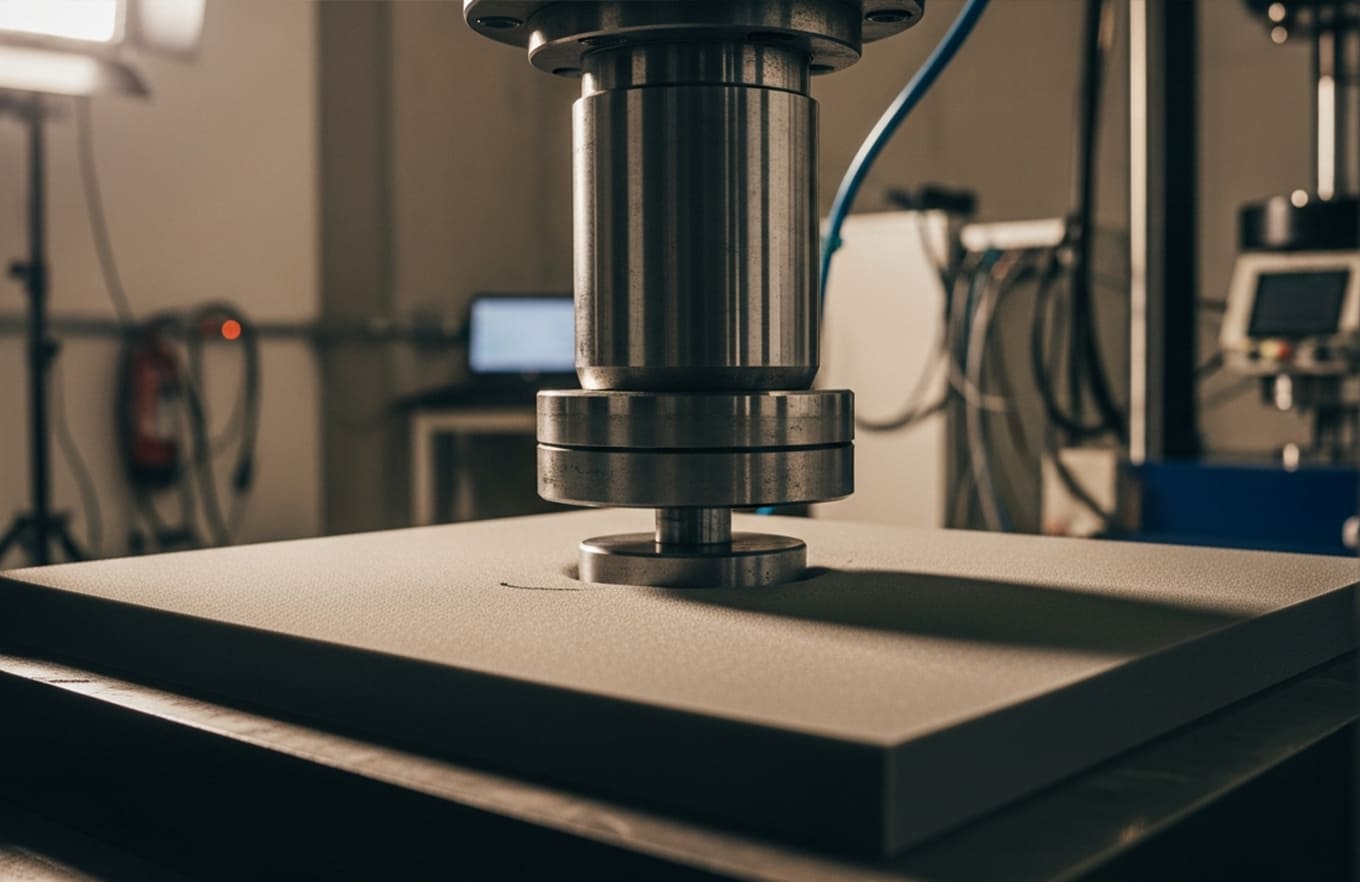
Modern buyers expect materials that deliver performance, comfort, and reliability without compromise. EVA Foam meets these expectations across multiple sectors. Its adaptability allows manufacturers to respond quickly to market changes without redesigning entire production lines.
Closed-cell foam alternatives often limit innovation due to performance constraints. EVA Foam, however, encourages experimentation and improvement. This adaptability has made it a preferred choice for manufacturers partnering with Samad Group to stay competitive in evolving markets.
The shift toward EVA Foam is not a trend. It reflects a broader demand for smarter materials that balance durability, comfort, and efficiency. As industries push for higher standards, materials that cannot keep pace are gradually phased out.
EVA Foam delivers reliable results across applications while supporting innovation. Its growing adoption signals a clear direction for manufacturers seeking dependable material solutions without compromising quality.
EVA Foam stands apart because it solves problems that traditional foam materials struggle to address. From structural resilience to manufacturing flexibility, it offers clear advantages that translate into better products and long-term value. As performance expectations continue to rise, choosing EVA Foam over older alternatives becomes less of a preference and more of a necessity. Manufacturers aligned with experienced partners like Samad Group are better positioned to leverage these advantages and stay ahead.
Contact our experts today to explore EVA Foam solutions designed for consistent performance and long-term manufacturing success.
EVA Foam maintains elasticity and shape under repeated stress, while traditional Closed Cell Foam often compresses permanently over time.
Yes, EVA Foam offers consistent quality, low defect rates, and flexible processing, making it ideal for large-scale production.
Manufacturers prefer EVA Foam because it delivers stable performance, reduces replacement costs, and supports efficient production processes.