
October 3, 2026
Choosing the right workwear partner involves more than comparing prices or browsing product catalogs. When evaluating Workwear Manufacturers in Pakistan, businesses need to look beyond attractive samples and assess manufacturing capabilities, quality systems, material standards, and reliability. A supplier may offer competitive rates, but that alone does not guarantee consistent products or dependable production. The real question is whether the manufacturer can meet your specifications repeatedly while maintaining quality and compliance. Moreover, workplace clothing often needs to perform under demanding conditions, making fabric performance, stitching, protection, and durability important considerations. In this blog, we explore practical ways to verify a manufacturer's credibility before placing a major order.
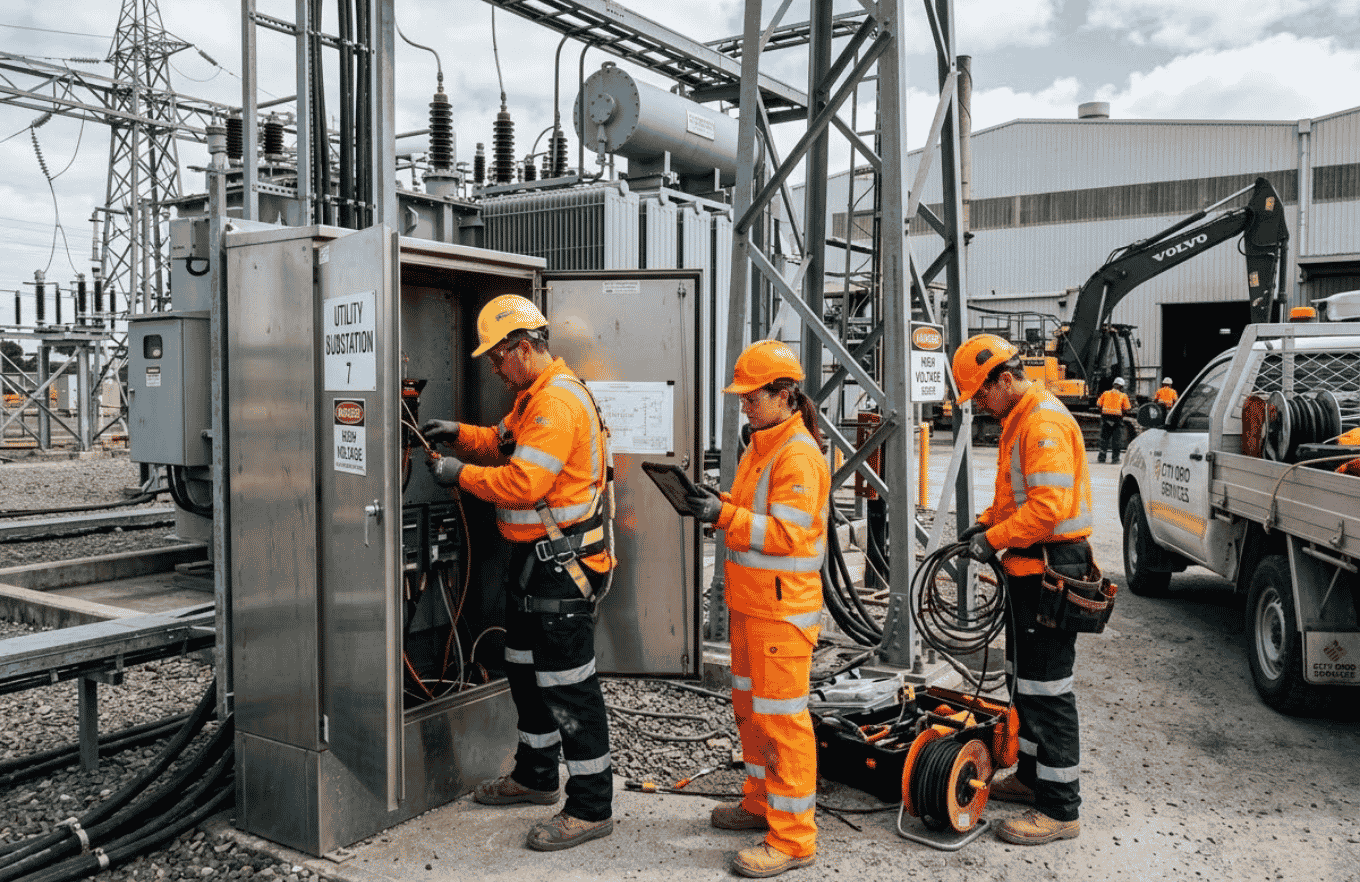
A credible manufacturer should be able to clearly explain what it produces, how it manages production, and whether its facilities can handle your required order volume. Ask about cutting, stitching, finishing, quality control, packaging, and production timelines.
Furthermore, vertically integrated operations can provide greater oversight across different stages. Samad Group, for example, describes its apparel operations as a comprehensive vertical operation, with production capabilities extending from cutting through packing.
A good sample proves what a manufacturer can make once. Consistent production proves what it can deliver repeatedly. Request information about quality checks, production monitoring, defect handling, and inspection procedures before making a long-term commitment.
Certifications can provide useful evidence that a manufacturer's operations are aligned with recognized standards. However, buyers should check which certifications are relevant to their specific requirements instead of treating every certification as interchangeable.
For businesses comparing Industrial Workwear Suppliers, certifications related to quality, workplace practices, materials, and supply chain standards can help create a clearer picture of operational discipline. Samad Group of Industries publicly lists certifications and standards including ISO, WRAP, OEKO-TEX, GOTS, Fair Trade Certified, and CTPAT.
Do not rely only on certification logos displayed online. Ask for current documentation and confirm whether the certification applies to the relevant facility, product, or manufacturing process.
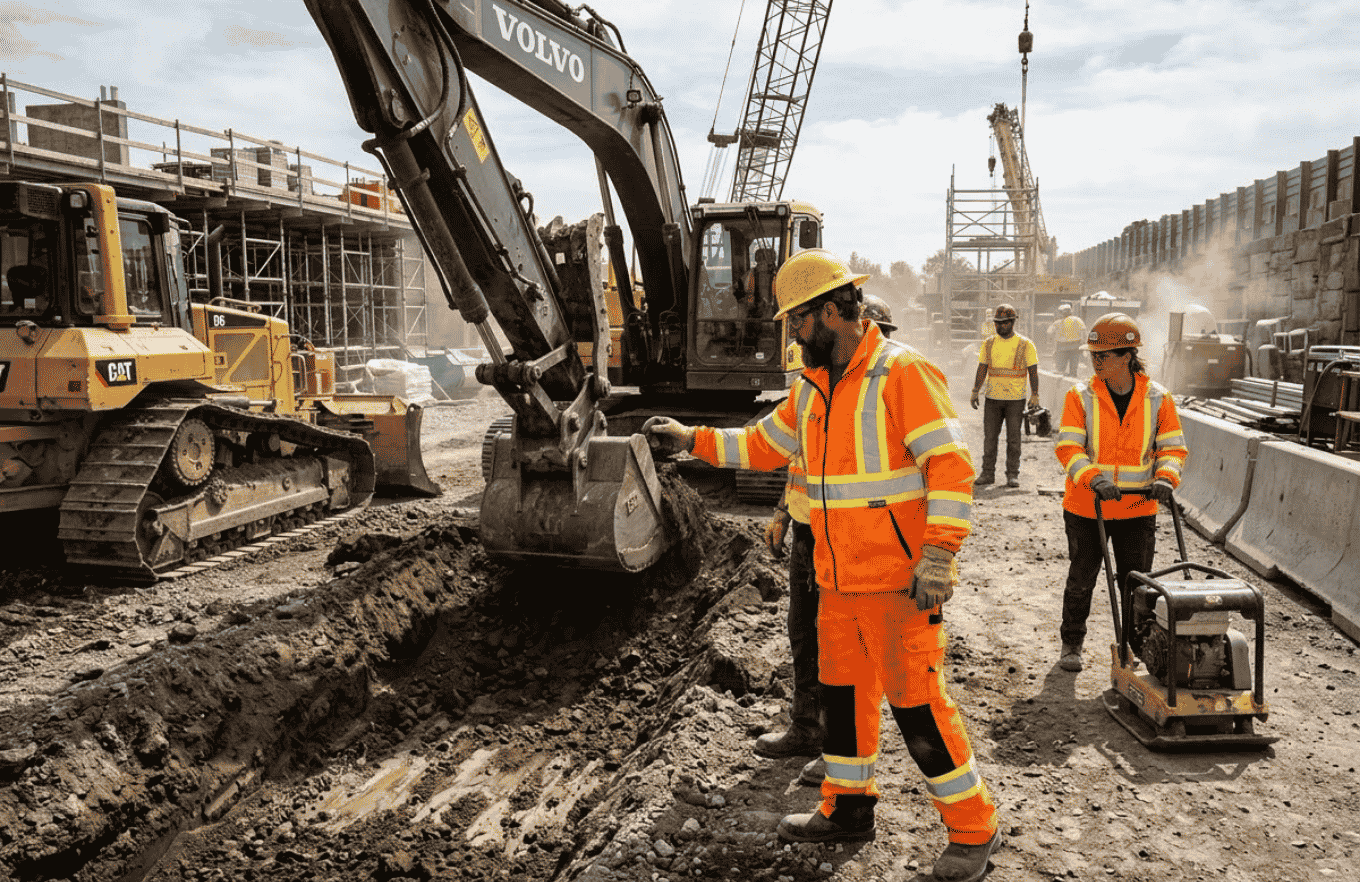
Workwear is not simply everyday clothing with a different design. Depending on the application, garments may require high-visibility materials, weather resistance, durability, specialized fabrics, or specific construction details.
When researching High-Visibility Workwear in Pakistan, ask how visibility materials are selected, applied, tested, and maintained through production. A manufacturer should understand the functional purpose behind the garment rather than focusing only on appearance.
Most importantly, specifications should be discussed before production begins. This reduces misunderstandings about fabric weight, colors, reflective elements, sizing, stitching, and finishing.
Longevity does not automatically make a manufacturer credible, but a documented history can provide useful context. Look for evidence of established operations, product development, workforce capabilities, and relationships across relevant industries.
The manufacturing history of Samad Group of Industries stretches across multiple decades, with its operations expanding into apparel and outerwear alongside other industrial businesses. Its official history also highlights a formal R&D department established in the 1980s to improve processes and quality output.
For buyers, this type of information can help distinguish an established manufacturing operation from a business that primarily acts as a reseller.
Modern procurement decisions increasingly consider more than price and delivery. Resource efficiency, responsible production, recycling, and workforce practices can also influence supplier selection.
Samad Group highlights regular testing, advanced machinery, integrated recycling systems, and a focus on sustainability and customer satisfaction.
These details matter because responsible manufacturing practices can support consistency while helping businesses align procurement with broader sustainability goals.
Choosing the right workwear manufacturer can directly influence product quality, workplace performance, and long-term procurement reliability. Rather than making a decision based only on price, businesses should assess manufacturing capabilities, certifications, quality control, material standards, production consistency, and communication. Reviewing these factors helps buyers identify a partner that can meet specifications while maintaining dependable standards across larger orders. Furthermore, transparent manufacturing practices and proven industry capabilities provide greater confidence when developing long-term supplier relationships. Most importantly, careful verification before placing an order can reduce quality issues, unexpected delays, and unnecessary costs, helping businesses build a stronger and more reliable workwear supply chain.
Choose Samad Group for workwear solutions backed by manufacturing expertise, quality-focused processes, innovation, and capabilities built for demanding business requirements.
Review manufacturing capacity, quality control, certifications, material specifications, production timelines, customization capabilities, and evidence of previous work before placing an order.
Compare suppliers based on production capabilities, compliance documentation, quality standards, customization options, communication, consistency, and ability to meet your required specifications.
Ask about fabric specifications, reflective materials, garment construction, visibility requirements, testing procedures, durability, sizing, and quality control throughout production.