
July 22, 2026
Sustainability has become one of the most talked-about promises in the global textile industry, but not every claim reflects real practice. Brands today are under pressure to choose responsible partners, which makes verifying environmental and ethical commitments more important than ever.
An Apparel Manufacturer in Pakistan may highlight sustainable processes, eco-friendly materials, or ethical labor practices, but these claims need proper validation before businesses commit to long-term partnerships. Without verification, companies risk reputational damage and supply chain inconsistencies.
In the evolving fashion landscape, Sustainable Apparel production is no longer optional but a core requirement for global buyers. Samad Group of Industries operates within this space, where transparency and responsible manufacturing practices play a key role in building trust with international clients.
Moreover, sustainability verification is not just about claims on paper but about real operational evidence, certifications, and traceable supply chain systems.
Sustainability claims in apparel manufacturing usually cover areas like water usage reduction, eco-friendly dyes, ethical labor conditions, and reduced carbon emissions. However, these claims can vary widely depending on the manufacturer’s actual practices.
An Apparel Manufacturer in Pakistan may use terms like “green production” or “low-impact manufacturing,” but these must be supported by measurable data.
Samad Group of Industries emphasizes transparency in production systems, ensuring that sustainability claims are backed by verifiable processes rather than marketing language.
Furthermore, Sustainable Apparel production requires consistent monitoring across sourcing, dyeing, stitching, and finishing stages to ensure environmental compliance.
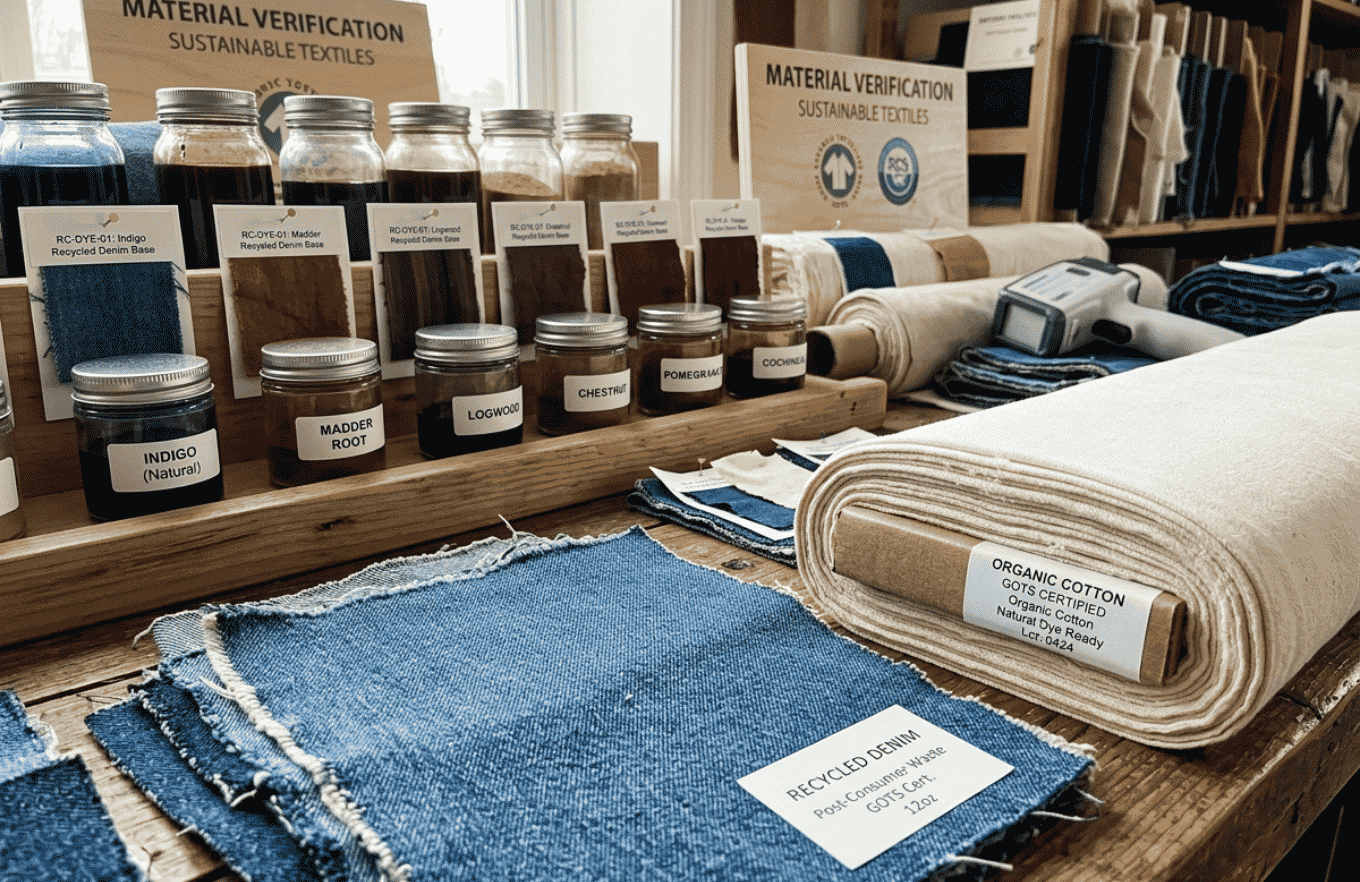
One of the most reliable ways to verify sustainability is through globally recognized certifications. These include standards related to environmental management, organic materials, and ethical labor practices.
Certifications provide third-party validation that an Apparel Manufacturer in Pakistan is following approved sustainability protocols.
Samad Group of Industries ensures compliance with recognized standards to maintain credibility in global markets.
A transparent supply chain is a strong indicator of genuine sustainability practices. This includes traceability of raw materials, ethical sourcing, and responsible production stages.
Sustainable Apparel production requires full visibility from fiber sourcing to finished garments.
Moreover, manufacturers who openly share their supply chain data are more likely to be genuinely committed to sustainability rather than using it as a marketing claim.
Materials play a major role in determining sustainability. Organic cotton, recycled fibers, and low-impact dyes are key indicators of eco-friendly production.
An Apparel Manufacturer in Pakistan focusing on sustainability should clearly explain where and how materials are sourced.
Samad Group of Industries works with responsible sourcing systems to reduce environmental impact while maintaining product quality.
Sustainable manufacturing is closely linked to reduced resource consumption. Factories that optimize water usage and energy efficiency are more aligned with global sustainability goals.
Sustainable Apparel production often includes wastewater treatment systems and energy-efficient machinery.
Furthermore, manufacturers that invest in renewable energy sources demonstrate a stronger commitment to environmental responsibility.
Independent audits are essential in verifying sustainability claims. These audits assess environmental performance, labor conditions, and compliance with international standards.
An Apparel Manufacturer in Pakistan that allows regular third-party inspections demonstrates transparency and accountability.
Samad Group of Industries supports audit-based evaluation systems to ensure continuous improvement in sustainability practices.
Moreover, audit reports provide buyers with factual insights rather than relying on promotional claims.
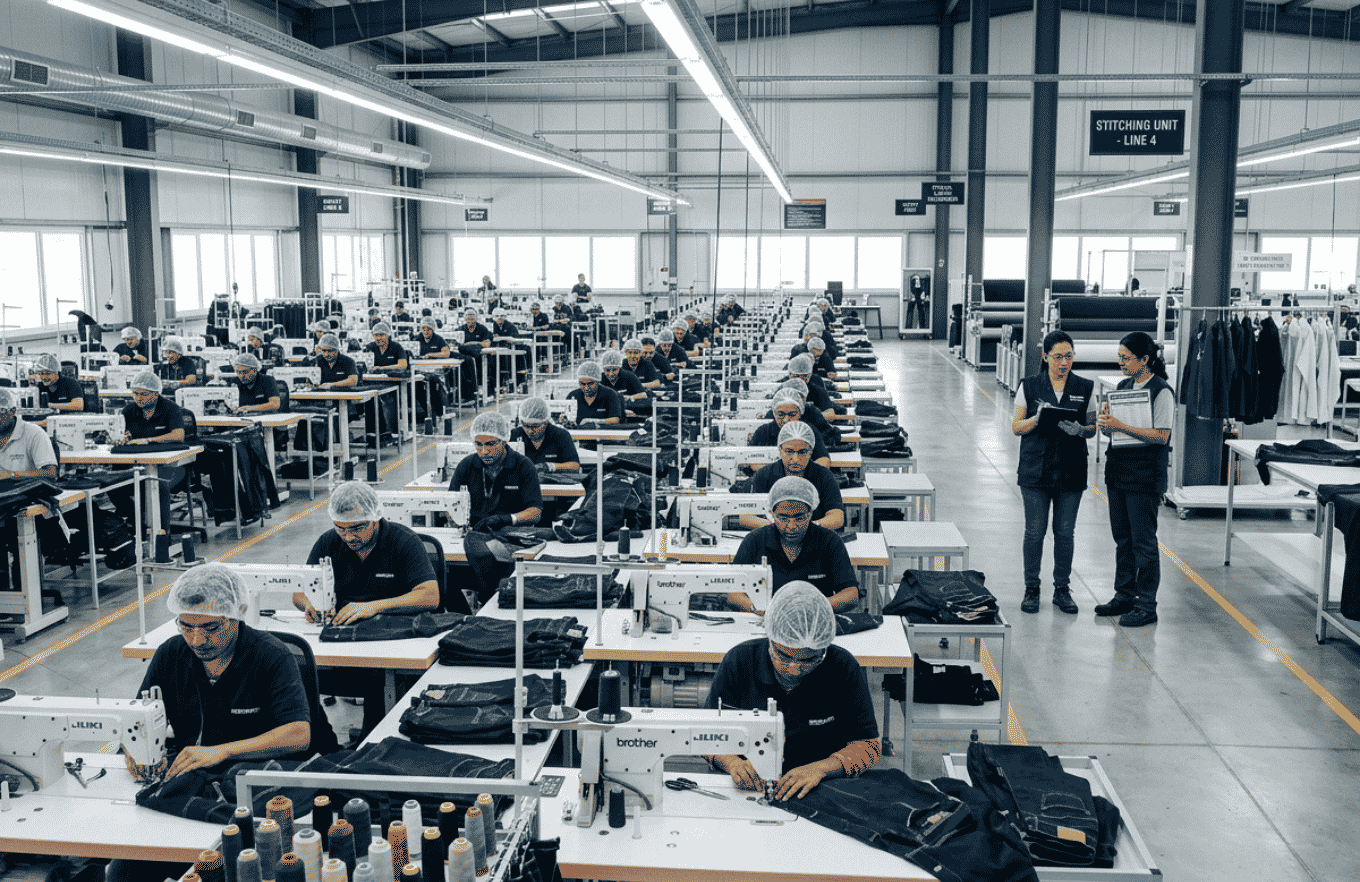
Sustainability is not only environmental but also social. Ethical labor practices include fair wages, safe working conditions, and no child labor.
Sustainable Apparel production must ensure that human rights are protected throughout the supply chain.
Companies like Samad Group of Industries prioritize worker welfare as part of their long-term sustainability framework.
Furthermore, ethical compliance strengthens brand reputation and builds long-term trust with international buyers.
If a manufacturer cannot provide certifications, audit reports, or traceability data, sustainability claims may not be reliable.
Phrases like “eco-friendly” or “green factory” without evidence should be treated with caution when evaluating an Apparel Manufacturer in Pakistan.
A lack of transparency in sourcing and production processes is another major warning sign.
To ensure reliable sourcing, businesses should focus on long-term partnerships with manufacturers that demonstrate consistent sustainability practices.
Sustainable Apparel production requires ongoing monitoring, collaboration, and improvement across all stages of manufacturing.
Samad Group of Industries works with global clients to build transparent and accountable production systems that align with international sustainability expectations.
Moreover, long-term partnerships help ensure continuous compliance rather than one-time certification claims.
Verifying sustainability claims is essential for building responsible and transparent supply chains in the global fashion industry. While many manufacturers promote eco-friendly practices, only proper evaluation can confirm authenticity.
An Apparel Manufacturer in Pakistan must provide clear evidence through certifications, audits, and transparent operations to support its claims.
Sustainable Apparel production is most effective when backed by real systems rather than marketing language. Samad Group of Industries continues to emphasize verified practices, ethical production, and environmental responsibility.
Furthermore, businesses that prioritize verification over assumptions are better positioned for long-term success in the global market.
Contact us today to verify sustainable apparel manufacturing solutions with transparent processes and certified eco-friendly production systems.
Check for third-party certifications, audit reports, and transparent supply chain documentation.
It ensures traceability of materials and confirms that ethical and environmental standards are followed.
Verified certifications, reduced resource usage, ethical labor practices, and clear production data.