
January 16, 2026
Choosing the right thickness of Closed Cell Foam is crucial for ensuring optimal performance in applications ranging from packaging to insulation. A proper selection not only improves durability but also enhances efficiency and cost-effectiveness. Samad Group, known for its superior foam products, emphasizes understanding both the purpose of the foam and the environment it will be used in. Early assessment of load, compression, and environmental factors will guide you toward the correct thickness. By aligning your project needs with high-quality foam, you can ensure long-lasting and reliable results without unnecessary expense.
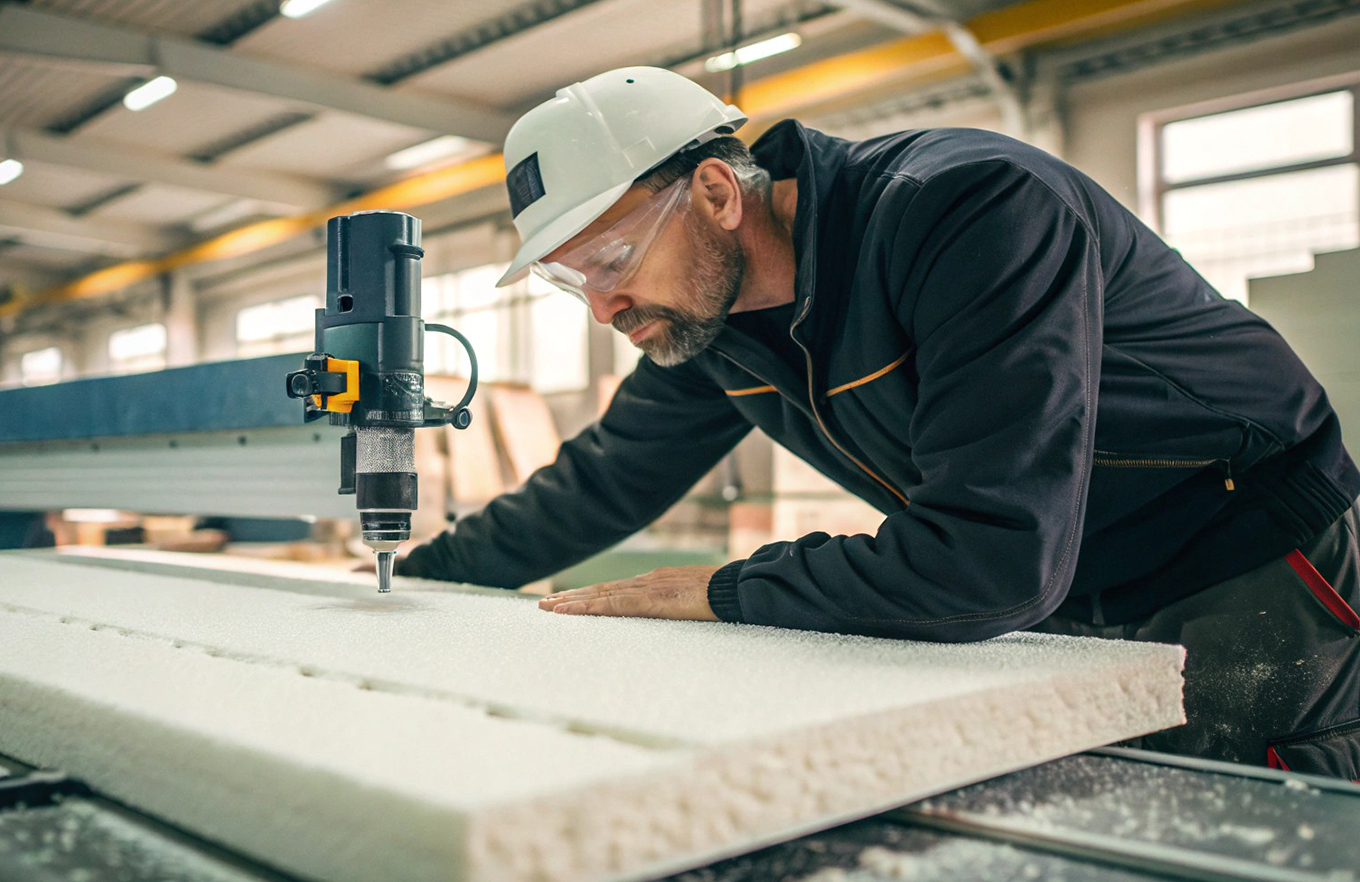
Closed-cell foam is made of tiny, sealed cells that provide excellent rigidity, water resistance, and insulation. Its applications are diverse, from industrial packaging and automotive components to sports equipment and marine uses. Unlike open-cell foam, closed-cell foam resists moisture, making it ideal for outdoor and high-humidity environments.
Samad Group offers a variety of foam options that cater to specific industrial and consumer needs. The density and thickness of the foam determine how well it absorbs impact, maintains shape under pressure, and provides thermal insulation. Recognizing the importance of thickness in performance can save time, cost, and energy in the long run.

When selecting foam thickness, several factors must be considered. First, evaluate the load and weight the foam will support. Heavier loads require thicker and denser foam to avoid compression and deformation. For lighter applications like protective packaging, a thinner foam layer may be sufficient.
Next, consider environmental exposure. Closed-cell foam exposed to water, heat, or chemicals benefits from additional thickness for durability. Samad Group’s foam solutions are engineered to provide maximum resilience even in challenging conditions.
Impact absorption is another crucial factor. In areas where shock or pressure is common, thicker foam distributes the force better, reducing damage and extending product life. This principle is why many industrial users prefer Samad Group’s EVA Foam for specialized applications, as it balances flexibility and strength efficiently.
Finally, take into account space limitations. While thicker foam offers better protection, it may not fit every design requirement. Balancing thickness with available space ensures practical functionality without compromising performance.
EVA Foam is a versatile secondary foam material often used alongside closed-cell foam for added cushioning and flexibility. While closed-cell foam excels in structural strength and water resistance, EVA Foam adds comfort and shock absorption, making it ideal for applications like sports mats, footwear, and packaging inserts.
Samad Group’s range of EVA Foam products integrates seamlessly with closed-cell options, providing manufacturers with layered solutions that maximize both durability and user comfort. By combining these materials strategically, industries can achieve enhanced performance without sacrificing material efficiency.
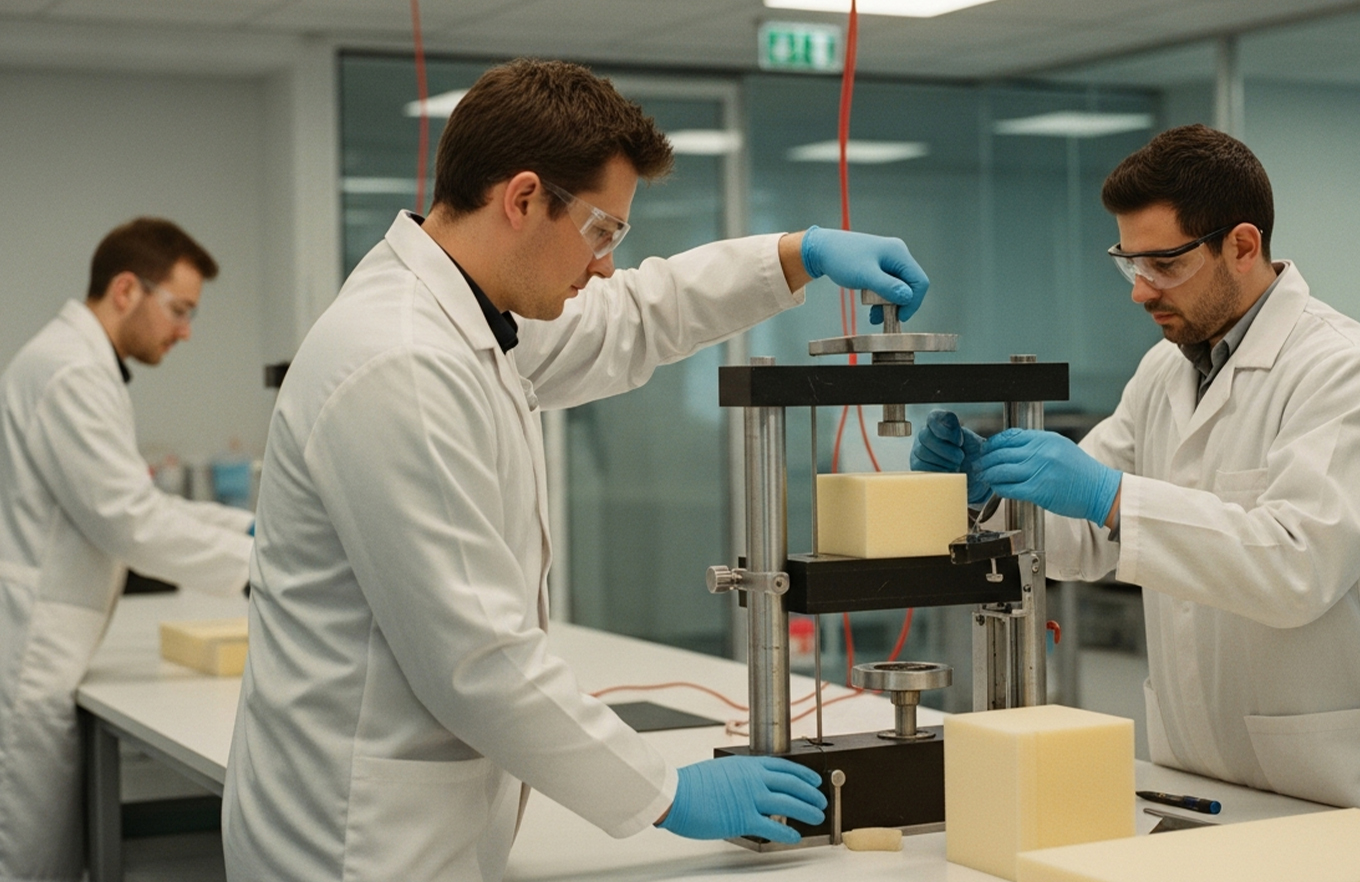
A practical approach to choosing the right thickness involves a few simple steps. Start with testing sample sheets of varying thicknesses in real-world conditions. Evaluate how each thickness responds to weight, compression, and environmental stress.
Next, consult technical data sheets for density, load-bearing capacity, and thermal resistance. Samad Group provides detailed product specifications to help you make informed decisions.
Finally, seek expert guidance. Samad Group’s technical team can recommend precise foam thicknesses tailored to your specific project requirements, ensuring optimal results without overusing material or inflating costs.
Many users make the mistake of assuming thicker foam is always better. While thickness improves impact absorption, it may introduce unnecessary bulk or limit flexibility. On the other hand, using foam that is too thin can compromise protection, insulation, and product longevity.
Another common error is neglecting the combination of foam types. Closed-cell foam alone may suffice in some cases, but integrating EVA Foam strategically can dramatically improve performance for cushioning and shock absorption. Proper evaluation and testing prevent costly mistakes and product failures.
Samad Group has built a reputation for providing high-quality foam solutions across industrial and consumer markets. With decades of expertise, they understand the nuances of thickness, density, and application-specific requirements. From standard closed-cell foam to specialized EVA Foam, Samad Group ensures consistent quality, reliable performance, and innovative solutions.
By working with Samad Group, manufacturers and businesses gain access to premium foam options that simplify selection and guarantee long-term results. Their commitment to excellence makes them a trusted partner for foam solutions across Pakistan and beyond.
Contact Samad Group today to get expert advice and select the perfect Closed Cell Foam thickness for your project efficiently.
Selecting the right thickness of Closed Cell Foam requires understanding your project needs, environmental conditions, and load requirements. Combining this knowledge with high-quality products from Samad Group ensures durability, performance, and cost-efficiency. Remember to balance thickness, density, and flexibility for optimal results.
Evaluate the weight, size, and fragility of the items. Test multiple thicknesses to balance protection and cost, considering guidance from Samad Group experts.
Yes, EVA Foam enhances cushioning and shock absorption when layered with closed-cell foam, improving durability in packaging, sports, and industrial applications.
Thickness, density, environmental exposure, and impact loads all influence foam performance. Choosing high-quality materials like those from Samad Group ensures consistent results.