
January 23, 2026
EVA foam has become one of the most trusted materials in the fitness world, especially for brands that want to upgrade the quality of their yoga mats. You see it everywhere today, from studios to home gyms, because the comfort and resilience of EVA foam make it a favourite for users at every level. This is why any modern yoga mat manufacturer continues to rely on it when designing mats that feel soft, stable, and supportive. As the need for safer and more durable products increases, EVA foam stands out as the material that lifts a basic mat into premium gear without making it heavy or expensive.
EVA foam has earned its place as a consistent performer because it offers qualities that ordinary foam cannot match. Its closed-cell structure resists moisture, which is essential for users who sweat during intense practice. It also ensures the mat stays hygienic for longer, a feature that has become increasingly important in shared fitness environments. Samad Group highlights material quality as the foundation of a premium yoga mat, and EVA foam supports that claim through its long-term durability.
Another reason manufacturers rely on it is its excellent cushioning. Yoga requires repeated pressure on the wrists, knees, and spine. EVA foam absorbs impact without sinking too deeply, giving users the right balance between softness and firmness. This creates stability during balance-based poses and prevents fatigue during longer sessions. For a professional yoga mat manufacturer, this kind of consistency helps maintain product value and customer satisfaction.
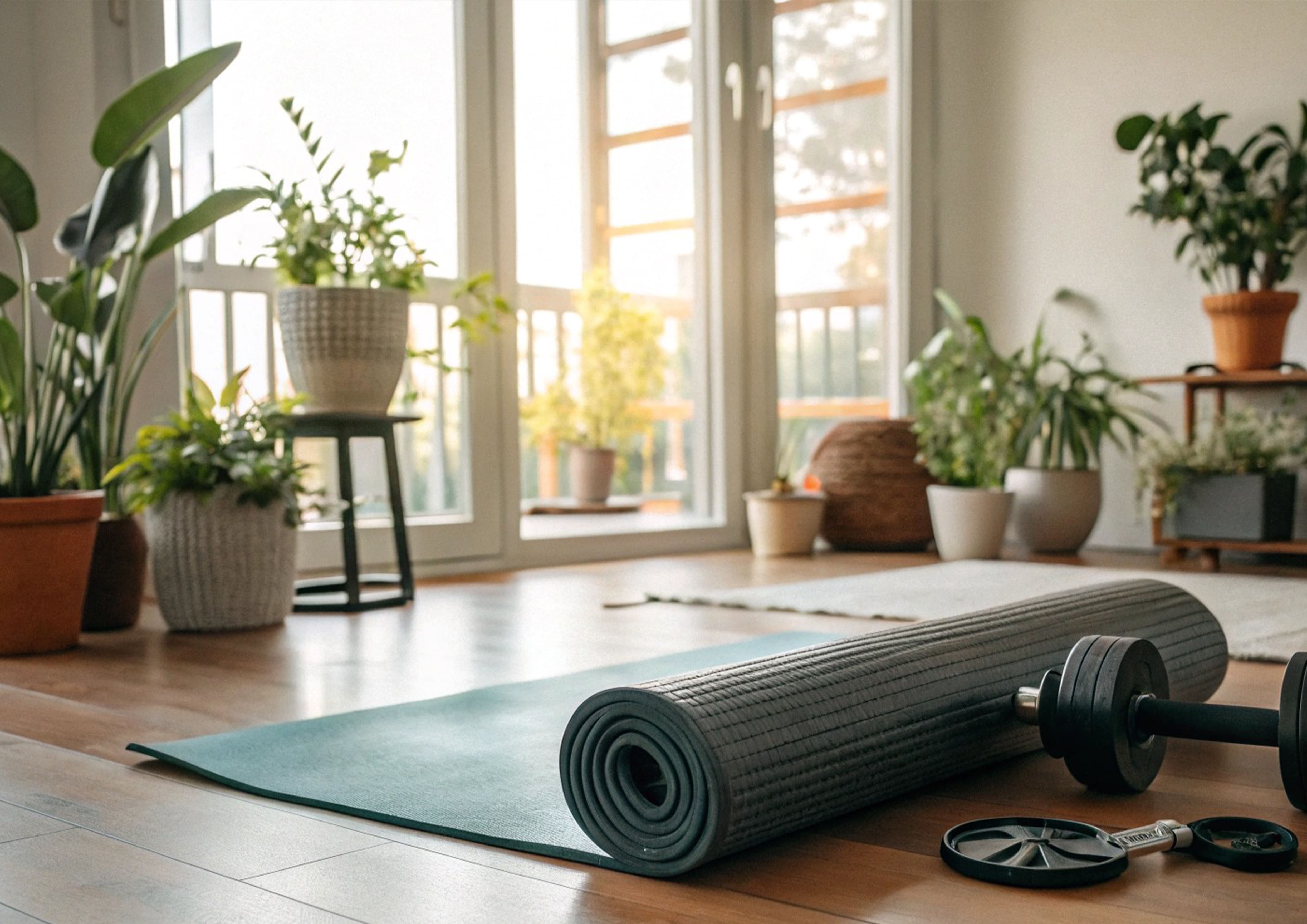
Comfort is more than softness. It is about creating an even and responsive surface that supports different stages of movement. EVA foam excels in this area because it adapts to body weight without deforming permanently. This is why premium mats do not flatten out or develop pressure dents after weeks of use. Samad Group often emphasises the importance of resilience in its fitness material range, which highlights how EVA foam meets the expectations of long-term users.
A well-engineered yoga mat allows practitioners to move freely without worrying about slipping, sinking, or losing balance. EVA foam provides a subtle grip while maintaining a smooth surface that feels comfortable under bare skin. This balance between texture and support is what separates low-quality mats from professional-grade gear commonly used in studios and gyms.
EVA foam offers strength without weight, which benefits both users and manufacturers. Customers can carry it easily, while brands can transport large quantities without excessive shipping costs. This cost-efficiency encourages a yoga mat manufacturer to choose EVA foam over heavier alternatives that do not provide the same performance.
High-quality yoga mats must stay reliable, especially for poses that require strong grounding. The structural stability of EVA foam makes a difference here. Mats hold their shape instead of curling from the edges or developing folds that disrupt practice. Samad Group notes that this quality is one of the strongest indicators of a premium product.
The material repels moisture, preventing odor build-up and bacterial growth. This makes it suitable for hot yoga, outdoor practice, and shared studio sessions. Compared to open-cell materials, EVA foam stays cleaner for longer and requires less maintenance. This benefit has made it a consistent choice in professional environments.
A yoga mat is a personal item that users want to trust. EVA foam helps manufacturers deliver products that last longer than typical low-density mats found in markets. The improved lifespan reduces waste, encourages consistent practice, and offers overall value that users appreciate. Samad Group identifies sustainability and durability as top priorities for modern fitness products, and EVA foam supports these goals effectively.
The material also performs well in various climates. Whether the mat is used on a cool indoor floor or a warm outdoor surface, it maintains its shape and performance. This versatility is exactly why many manufacturers continue refining their EVA-based product lines.
EVA foam changes the feel of practice from the moment someone steps onto the mat. The cushioning improves joint support, the texture enhances grip, and the structure maintains stability. These small details create a smoother, safer, and more enjoyable session. Over time, this encourages longer workouts, better alignment, and reduced strain.
For a yoga mat manufacturer, this kind of user experience is not accidental. It requires careful selection of density, thickness, and quality of EVA foam. When these elements come together correctly, the result is a mat that performs at a studio level, even when used at home.
Contact us today to explore premium EVA foam yoga mats designed for comfort, strength, and long-term performance.
EVA foam has become a defining material in the evolution of yoga mats. It brings together durability, comfort, hygiene, and stability in a way that cheaper materials cannot match. As the demand for premium gear continues to rise, yoga mat manufacturers are choosing EVA foam to deliver products that meet global expectations. With companies like Samad Group reinforcing the value of quality materials, it is clear that EVA foam will remain the preferred choice for both professionals and everyday users who expect reliability from their fitness equipment.
EVA foam is preferred because it provides durable cushioning, a strong grip, and long-term structural support, making it ideal for consistent yoga practice.
It offers cost efficiency, stability, easy processing, and consistent performance, helping manufacturers deliver higher-quality mats.
Yes, EVA foam cushions the joints and improves balance, making it easier for beginners to practice comfortably and safely.