
September 16, 2026
Furniture assembly looks simple until joints begin separating, laminates lift, or surfaces develop uneven finishes. Choosing the right adhesive can make a major difference in how well furniture performs over time. Contact Adhesive for Furniture is widely used because it creates strong bonds between compatible surfaces while supporting fast production and clean finishing. However, not every adhesive is suitable for every material, application, or working condition. The right choice depends on factors such as surface type, bonding strength, drying behavior, flexibility, and application method. In this blog, we explore the key factors that help furniture makers choose an adhesive that delivers reliable results without complicating the production process.
Furniture constantly faces movement, pressure, temperature changes, and everyday handling. A weak bond can cause laminate edges to lift, veneers to separate, or decorative surfaces to loosen. Therefore, adhesive selection should be treated as part of the product design rather than an afterthought.
A suitable Contact Adhesive for Furniture provides strong initial grab and helps create an even bond across compatible materials. This is particularly useful when manufacturers need efficient assembly without relying entirely on mechanical fasteners.
Moreover, the adhesive should match the material being bonded. Wood, laminate, rubber, foam, fabric, and certain plastics can respond differently to adhesives. Using the wrong formulation may result in poor adhesion, longer setting times, or premature failure.
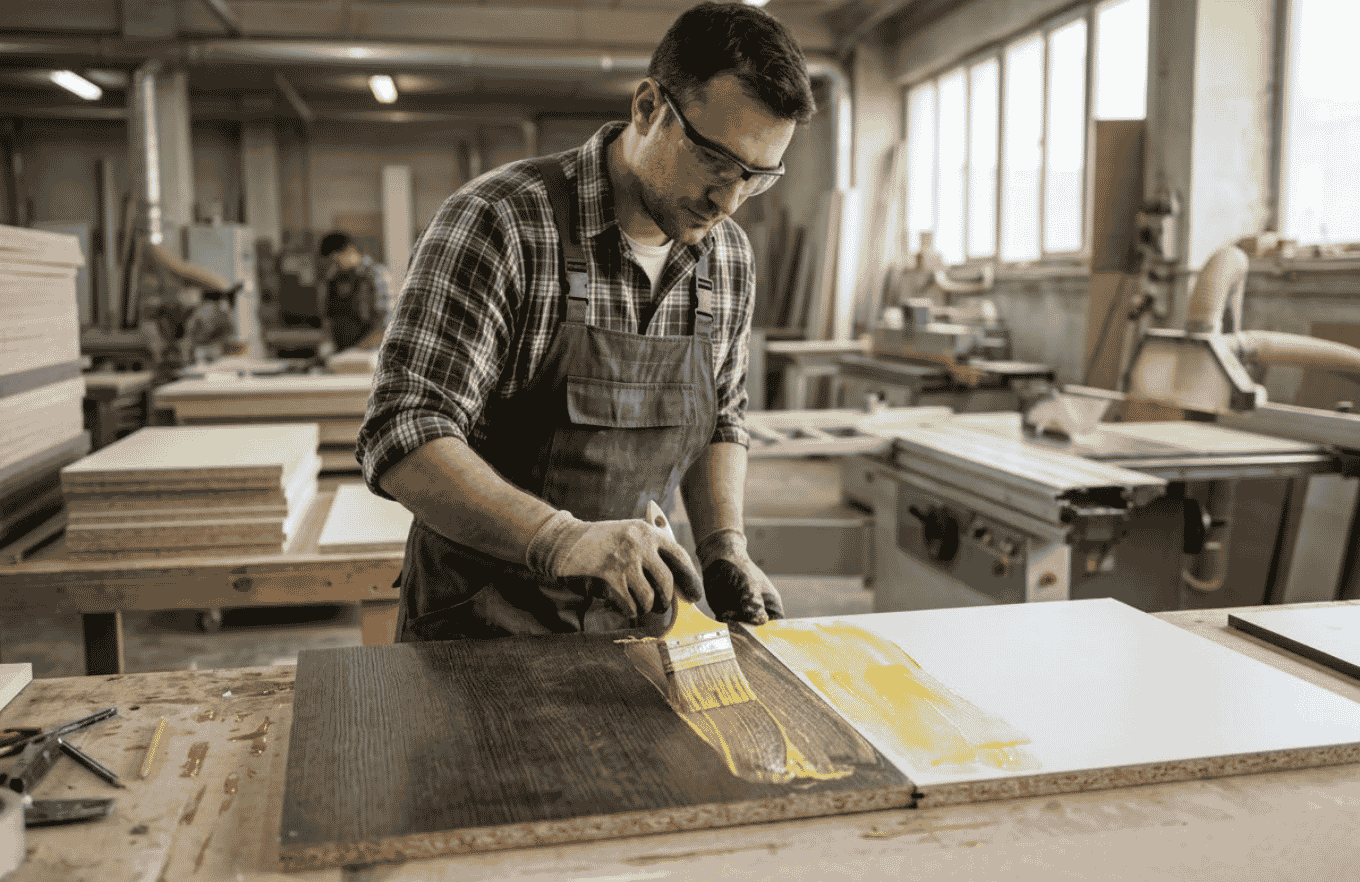
The first step is identifying both surfaces that need to be joined. Different materials have different surface characteristics, so an adhesive that performs well on one combination may not deliver the same result elsewhere.
For example, laminate-to-wood applications require consistent coverage and good adhesion across both surfaces. Furniture manufacturers should therefore check technical specifications before selecting a product.
Strong bonding is important, but strength alone is not enough. Furniture components may expand, contract, flex, or experience repeated pressure during use.
A good adhesive should maintain its bond while accommodating reasonable movement between compatible materials. This balance can help reduce cracking, peeling, and separation during long-term use.
Production speed matters in commercial furniture manufacturing. An adhesive that takes too long to develop sufficient bonding strength can slow down assembly and increase handling time.
Application conditions also matter. Temperature, ventilation, surface cleanliness, and application thickness can influence performance. Following the manufacturer's recommended procedure is therefore essential for consistent results.
Polychloroprene-based formulations are commonly valued for their strong bonding performance and versatility. They can be particularly useful in applications where a durable bond is required between compatible surfaces.
One example is Samad Bond 101, a polychloroprene-based contact adhesive designed for strong bonding in furniture applications. Its positioning around reliable adhesion makes it relevant for projects where bond performance and finishing quality are important considerations.
Furthermore, choosing a formulation from a reliable Industrial Adhesive Manufacturer gives buyers access to technical information that can help them match the adhesive with their intended application.
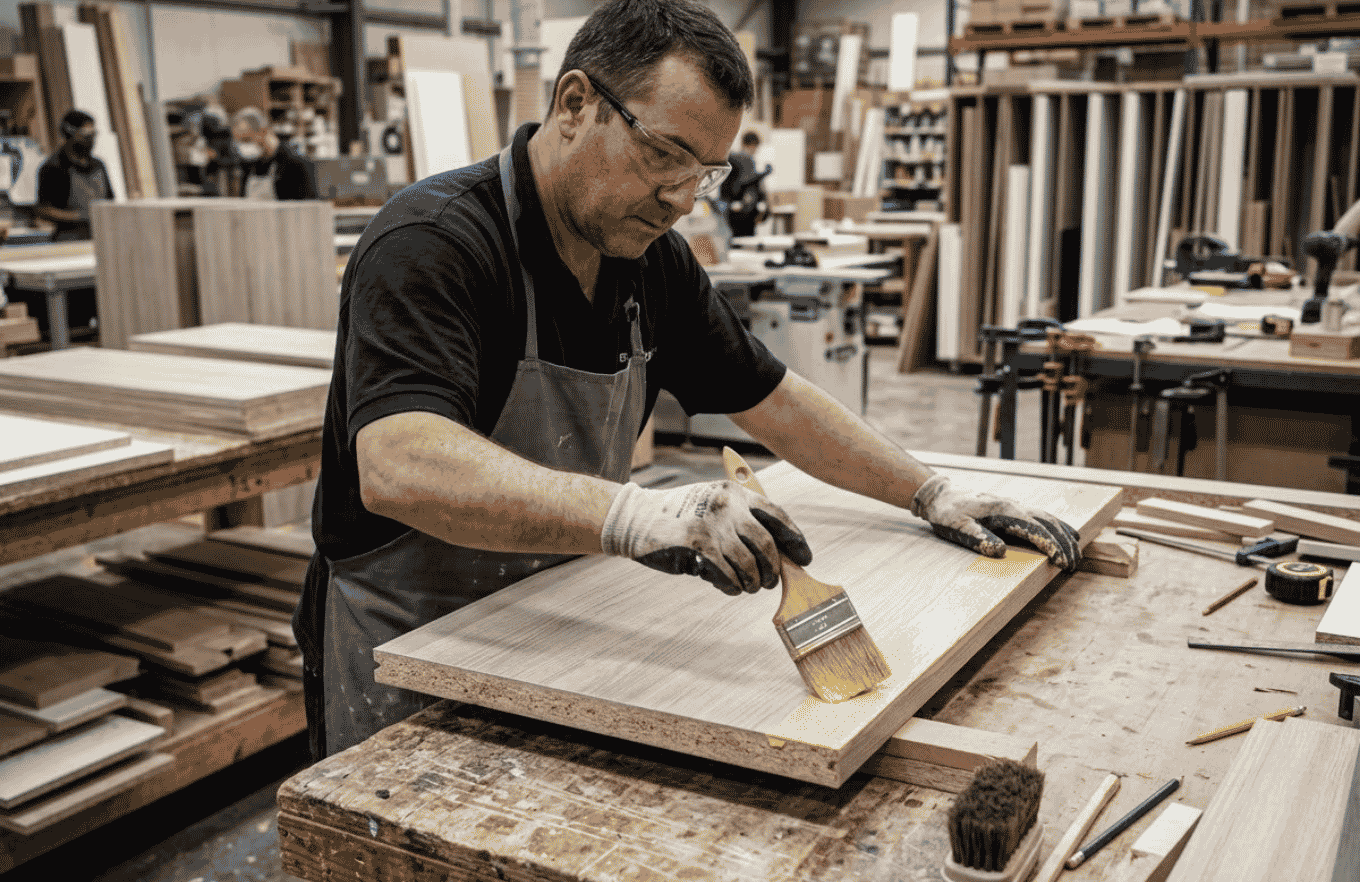
Even the right adhesive can underperform if surfaces are not properly prepared. Dust, grease, moisture, and loose particles can interfere with adhesion and create weak areas.
Furniture makers should ensure that surfaces are clean, dry, and properly prepared before application. The adhesive should then be applied according to its technical instructions rather than relying on guesswork.
Most importantly, testing a small sample before full-scale production can help identify compatibility issues early. This simple step can prevent material waste and costly rework.
The supplier you choose can influence more than the price of the adhesive. Consistent product quality, technical guidance, packaging options, and supply reliability all matter when adhesive becomes part of a regular manufacturing process.
A capable Industrial Adhesive Manufacturer should provide clear product information and help buyers understand where a particular formulation performs best. This is especially important for manufacturers producing different furniture styles or working with several surface materials.
Samad Group of Industries offers adhesive solutions for different bonding requirements, while Samad Group provides access to products designed for practical industrial and household applications.
For furniture applications requiring a strong contact bond, Samad Bond 101 can be considered where its technical properties match the materials and production requirements. Its polychloroprene formulation is designed around strong bonding performance.
However, product selection should always be based on the actual surfaces, environmental conditions, and manufacturing process. Samad Group of Industries can be considered when buyers are evaluating adhesive solutions for furniture-related applications and need a product aligned with their bonding requirements.
Contact Samad Group today for reliable furniture adhesive solutions, product guidance, and support tailored to your specific manufacturing and bonding requirements.
Selecting the right Contact Adhesive for Furniture involves more than choosing the strongest product available. Material compatibility, flexibility, drying behavior, surface preparation, and production requirements all influence final performance. Working with a reliable Industrial Adhesive Manufacturer can make the selection process easier and help manufacturers achieve more consistent results.
Samad Group provides adhesive solutions that can support furniture bonding requirements, helping manufacturers evaluate practical options according to their specific applications.
The best option depends on the materials, bonding conditions, and required performance. A suitable product should provide strong adhesion and work effectively with the surfaces being joined.
Samad Bond 101 is a polychloroprene-based contact adhesive intended for strong bonding applications, including suitable furniture-related uses where its specifications match the materials.
Surfaces should generally be clean, dry, and free from dust, grease, and loose particles. Always follow the adhesive manufacturer's application instructions for the specific materials involved.