
October 1, 2026
Choosing the right material can determine how a yoga mat feels, performs, and holds up after months of regular use. EVA Foam has become a popular choice for fitness products because it combines cushioning, flexibility, lightweight construction, and durability in one material. Its closed-cell structure can also help limit moisture absorption, making it practical for products exposed to sweat and frequent handling. For manufacturers, these characteristics create opportunities to balance user comfort with product longevity and production requirements. In this blog, we explore five reasons EVA Foam can outperform many traditional materials for yoga mats and why material selection matters when developing a product that needs to perform session after session.
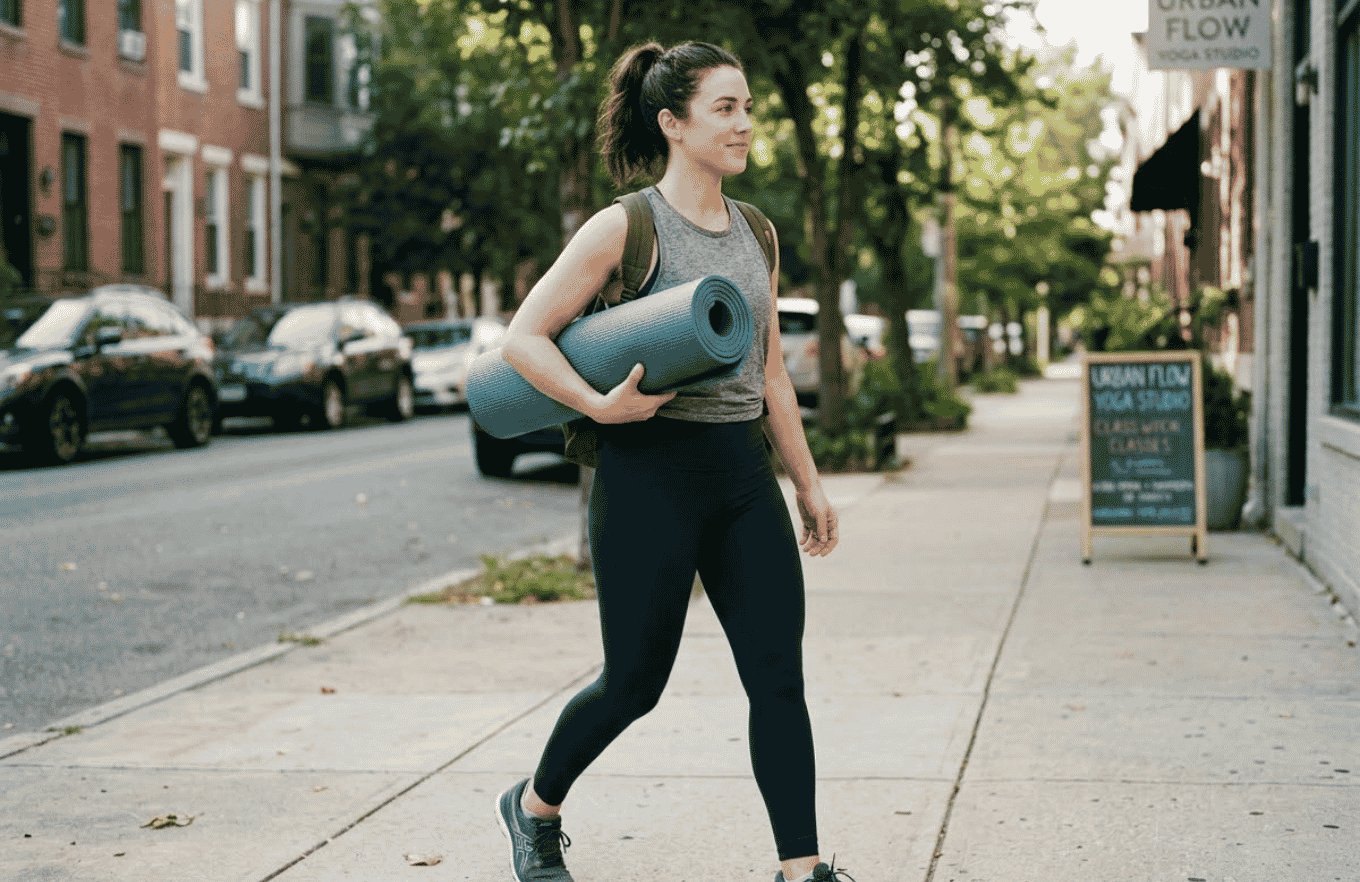
A yoga mat needs enough cushioning to make movement comfortable without becoming excessively heavy or difficult to carry. This balance is one reason EVA Foam works well in fitness applications.
Its strength-to-weight characteristics allow manufacturers to create mats that provide cushioning without adding unnecessary bulk. For users, that can mean easier transportation between home, studios, gyms, or outdoor sessions.
The material can also provide impact absorption and flexibility, helping create a comfortable surface for stretching, balance exercises, and repeated floor-based movements.
Sweat and moisture are unavoidable during many yoga and fitness sessions. Materials that absorb water easily may become more difficult to clean and maintain over time.
The closed-cell structure associated with EVA Foam helps reduce moisture absorption because its sealed cells limit water penetration. This characteristic can support easier maintenance and help the material retain its physical properties during repeated use.
Furthermore, reduced moisture absorption can be particularly useful when mats are used frequently in studios, gyms, and fitness environments.
Yoga mats experience repeated pressure whenever users kneel, stand, stretch, or place their body weight on specific areas. Materials that compress permanently can gradually lose their cushioning and shape.
This is where Yoga Mat Manufacturers can benefit from foam materials designed for repeated compression. EVA Foam provides flexibility and cushioning while supporting reliable performance under recurring pressure.
Most importantly, maintaining shape and cushioning can help extend the useful life of a mat and improve the experience for the end user.
A yoga mat should feel comfortable without becoming fragile. Excessively soft materials may struggle with repeated use, while overly rigid surfaces can compromise comfort.
For Yoga Mat Manufacturers, EVA Foam offers a useful middle ground because flexibility, impact absorption, and durability can work together within the same material. Its use across sports equipment and fitness products reflects this combination of performance characteristics.
Moreover, consistent foam density and thickness are important because variations can affect the feel and performance of finished mats.
The quality of a finished yoga mat depends not only on its design but also on the consistency of the material used to produce it. Density, thickness, flexibility, and dimensional stability can all influence the final product.
Manufacturers therefore benefit from working with foam suppliers that maintain consistent production standards. Samad Group operates Samad Foam as a specialized business vertical and describes its operations as supplying high-quality unicellular foams for demanding applications.
For businesses assessing Yoga Mat Manufacturers, material quality should be considered alongside customization, production capability, technical support, and quality control. A stronger material foundation can make it easier to achieve consistent products at scale.
The right yoga mat material needs to deliver more than softness. It should support comfort, moisture resistance, compression recovery, flexibility, durability, and consistent manufacturing performance. EVA Foam brings these characteristics together, making it a practical choice for modern fitness products.
The manufacturing expertise associated with Samad Group of Industries reflects the importance of material development and consistent foam production for applications where performance matters.
For Yoga Mat Manufacturers, choosing the right foam can ultimately influence both product quality and customer satisfaction.
Partner with Samad Group for quality foam solutions designed to support comfortable, durable, lightweight, and high-performing yoga mats.
EVA Foam combines lightweight construction, flexibility, cushioning, impact absorption, and moisture resistance, making it suitable for repeated fitness use.
Its flexibility and compression performance can help mats retain cushioning and shape during repeated use, supporting longer-lasting product performance.
Yoga Mat Manufacturers should evaluate foam density, thickness, flexibility, moisture resistance, compression recovery, consistency, and the supplier's production capabilities before selecting a material.